With the rapid advancement of electronic technology, Surface Mount Technology (SMT) has become central to modern electronics manufacturing. This article will take an in-depth look at SMT technology and its critical role in electronics manufacturing.
1. Understanding the Basics of SMT Processes
1.1 Screen Printing
The basic SMT processes include screen printing, the primary purpose of which is to apply solder paste or patch adhesive to the PCB pads in preparation for the subsequent soldering of components. The screen printing machine is located at the front end of the SMT production line and provides the necessary foundation for the placement of electronic components.
1.2 Dispensing
Dispensing involves applying adhesive to specific locations on a PCB; its primary purpose is to securely bond components to the PCB. This step requires the use of a dispensing machine, which is typically located downstream of the SMT production line or testing equipment.
1.3 Installation
The task during the placement stage is to accurately place surface-mount components in their designated positions on the PCB. This step requires a placement machine, which is typically located downstream of the screen printer on the SMT production line.
1.4 Curing
The purpose of curing is to melt the adhesive, ensuring that the surface-mount components are firmly bonded to the PCB. This step requires the use of a curing oven, which is typically located behind the placement machine on the SMT production line.
1.5 Reflow Soldering
Reflow SolderingThis is the key step in melting the solder paste to firmly bond surface-mount components to the PCB. This step requires the use of a reflow oven, which is typically located behind the placement machine on an SMT production line.
1.6 Cleaning
The purpose of cleaning is to remove solder residues, such as flux, from assembled PCBs that are harmful to human health. The equipment used is a washing machine, which can be placed in a suitable location. The cleaning process may take place at various stages of the production line.
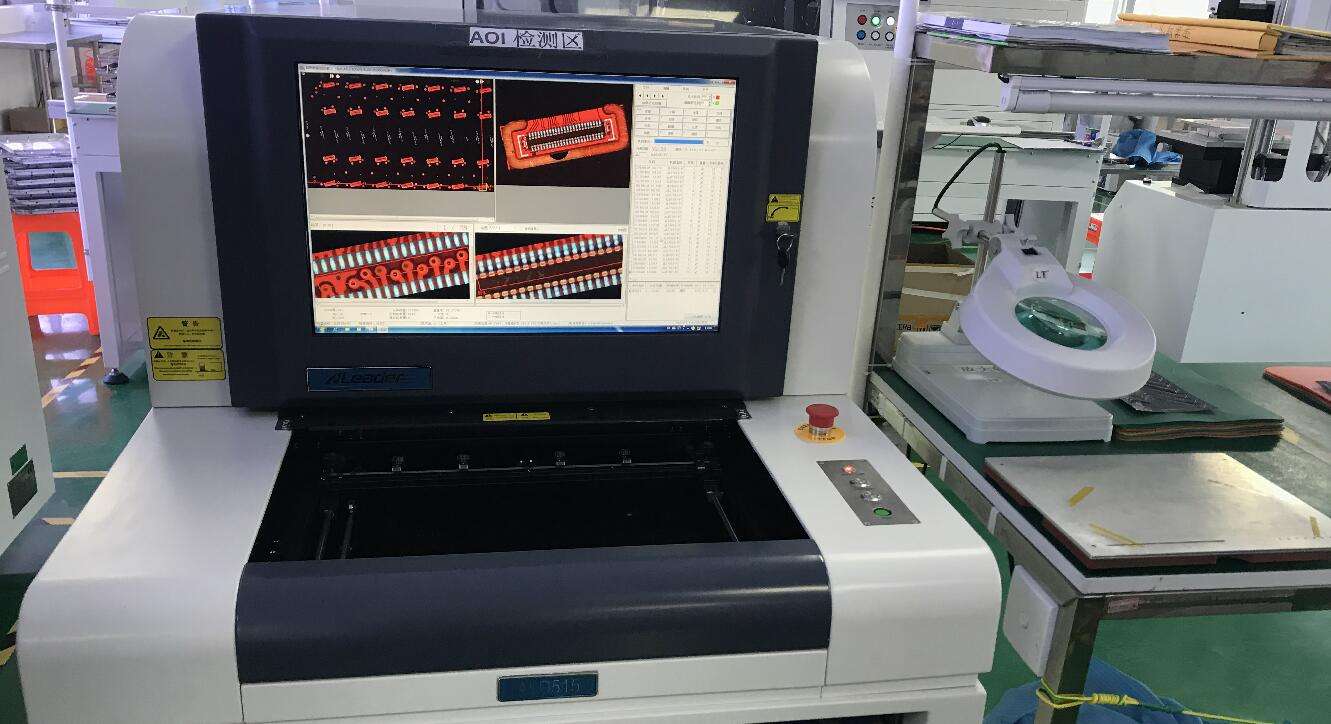
1.7 Inspection
The purpose of the inspection phase is to ensure the soldering quality and assembly quality of the finished PCBs. This step involves equipment such as magnifying glasses, microscopes, in-circuit testers (ICT), flying probe testers, automatic optical inspection (AOI) systems, X-ray inspection systems, and functional testers, which are typically positioned at appropriate locations along the production line according to inspection requirements.
1.8 Repairs
Rework is the process of repairing PCBs on which no defects have been detected. Tools such as soldering irons and rework stations are commonly found on the production line to facilitate rework.
2. SMT Placement Process
The SMT assembly process can be divided into two types: single-sided assembly and double-sided assembly.
2.1 Single-sided assembly
Single-sided assembly involves the following steps:
- Incoming Inspection
- Screen-printed Solder Paste (Dispensing)
- Surface-mount
- Drying (Curing)
- Reflow Soldering
- Cleaning
- Inspection
- Repair
2.2 Double-Sided Assembly
There are several different processes for double-sided assembly; select one of them as needed:
Type A Process
- Incoming Inspection
- Screen-printed solder paste (dispensing) on Side A of the PCB
- Screen Printing of Solder Paste on the Back Side of the PCB (Dispensing)
- SMD (Surface Mount Device) Installation
- Drying
- Reflow Soldering (Best Suited for the B-Side Only)
- Cleaning
- Inspection
- Fix
Type B Process
- Incoming Inspection
- Silkscreening Solder Paste on Side A of the PCB (Dispensing SMT Adhesive)
- SMD Installation
- Drying (Curing)
- Reflow Soldering on Side A of the PCB
- Cleaning
- Turnover
- SMT Adhesive for the Back Side of a PCB
- Surface-mount
- Curing
- Wave Soldering on the B-Side of a PCB
- Cleaning
- Inspection
- Fix
This process is suitable for reflow soldering on Side A of the PCB and wave soldering on Side B.
2.3 Single-Side Mixed-Package Process
- Incoming Inspection
- PCB Side A Screen-Printed Solder Paste (SMT Adhesive)
- SMD
- Drying (Curing)
- Reflow Soldering
- Cleaning
- Parts
- Wave Soldering
- Cleaning
- Inspection
- Rework
2.4 Double-Sided Mixed-Packaging Process
Type A Process
- Incoming Inspection
- Dispensing on Side A of the PCB
- SMD
- Curing
- Flip Chip Board
- Surface-Mount Components on Side A of the PCB
- Wave Solution
- Cleaning
- Inspection
- Rework
This process is suitable for connecting SMD components to two mounting pads.
Type B Process
- Incoming Inspection
- Components on Side A of the PCB (bent leads)
- Flip Chip Board
- PCB Side B Assembly
- Adhesive Panel
- Curing
- Flip Chip Board
- Wave Soldering
- Cleaning
- Inspection
- Repair
This process is suitable for applications where there are more discrete components than surface-mount components.
Type C Process
- Incoming Inspection
- Screen-printed solder paste on Side A of the PCB
- Surface-mount
- Drying
- Reflow Soldering 1 (Supports Localized Soldering)
- Bent components and pins
- Flip Board
- SMT Adhesive for Point B on a PCB
- Surface-mount
- Curing
- Flip
- Wave Soldering 2 (If there are few components, they can be soldered by hand)
- Cleaning
- Testing
- Rework
This process is suitable for Side A mixed assembly and Side B installation.
Type D Process
- Incoming Inspection
- PCB Side B Component Placement
- SMD
- Curing
- Turnover
- Screen-printed solder paste on Side A of the PCB
- Adhesive Panel
- Side A Reflow
- Parts
- Side B Wave Soldering
- Cleaning
- Inspection
- Rework
This process is suitable for mixed assembly of Side A and Side B components: first, mount the SMDs on both sides, perform reflow, and then insert the components.
Type E Process
- Incoming Inspection
- Screen-printed solder paste on the B-side of the PCB (dot placement)
- SMD
- Drying (Curing)
- Reflow Soldering
- Flip Chip Board
- Screen-printed solder paste on Side A of the PCB
- SMD
- Drying
- Reflow Soldering 1 (Supports Localized Soldering)
- Parts
- Side B Wave Soldering
- Cleaning
- Inspection
- Fix
This process is suitable for both Side A installation and mixed Side B installation.
Terminology and Standards for Assembly Quality and Data Management
Classifying and standardizing terms related to assembly quality and data management by concept is more conducive to aligning reviews than continuing to use customary terms; please refer to the standard for guidance.EMI Design Specifications and Control Principles。
The same term often carries different default assumptions across the design, procurement, production, and inspection phases; without prior alignment, it is easy for all parties to arrive at conclusions that are correct in their own right but mutually contradictory. It is recommended to establish a terminology cross-reference table that specifies the scope of application, the version of the reference document, and the responsible party for verification; obsolete terms should be archived separately. This page does not provide any oven temperature settings, solder paste parameters, placement settings, or defect rework procedures; the descriptions already present in the original text remain unchanged.

- Classify by concept and assign uniform names.
- The default assumptions differ across the various stages.
- The cross-reference table specifies the basis and functions.
- Invalid names are kept on file separately.
- Comparisons are only valid when the criteria are consistent.
- This article does not provide operating conditions.
Document and Version Control
Requirements for tasks or test documents with the same name may vary across different versions; executing them based on name rather than version will result in a loss of comparability. For standard compilation, please refer toCommon IPC Standards for Printed Circuit Boards。
It is recommended that document numbers, version numbers, effective dates, and approver information be retained in the records, and that redistribution be restricted; only the currently valid version should be kept on-site, while obsolete versions should be stored separately. Applicable standards, customer specifications, and internal operating procedures belong to different levels of hierarchy; the order of precedence in the event of a conflict should be specified in advance in the contract or technical agreement. This page does not provide any oven temperature settings, solder paste parameters, placement settings, or defect rework procedures; the descriptions already present in the original text remain unchanged.
- Versions with the same name may differ.
- No., Version, Date, Approver—all recorded.
- Only the currently valid version will remain on-site.
- Standard customer component hierarchy.
- Priorities are agreed upon in advance.
- The conclusion does not change depending on who cites it.
Supplier Data Sheet and Responsibility Interface
Performance and safety information related to assembly quality and data management should be derived from controlled documentation provided by suppliers, rather than from verbal accounts or visual impressions. For regulatory guidance, please refer toWhat is RoHS?。
It is recommended to document the name, version, effective date, responsible department, and approver of the documentation, and to cross-reference it with the procurement specifications and acceptance criteria; when the documentation is updated or the supplier changes, the authorized department shall assess the scope of impact and initiate a re-evaluation. This page does not provide any oven temperature settings, solder paste parameters, placement settings, or defect rework procedures; the descriptions already present in the original text remain unchanged.

- The information is derived from controlled sources.
- Name, Version, Date, Approver—all recorded.
- Cross-reference with the procurement specifications and acceptance criteria.
- Updates to the data trigger a re-evaluation.
- The data tables and regulations shall prevail.
- This article does not specify any terms of use.
Safety, Environmental Protection, and Applicable Regulations
On-site responsibilities related to assembly quality and data management should be verified independently in accordance with applicable regulations and local regulatory requirements; external experience cannot be applied directly. For guidance on interpreting standards, please refer toA Comprehensive Overview of Common Printed Circuit Board Standards。
It is recommended to establish a list of applicable regulations that records the regulation name, version, effective date, responsible functions, and review milestones, and to cross-reference compliance conclusions with procurement and delivery documents. Matters such as occupational safety, waste disposal, and information disclosure shall be governed by on-site controlled documents, supplier data sheets, and local regulations, and shall be reviewed by appropriately qualified personnel before being filed. This page does not provide any oven temperature settings, solder paste parameters, placement settings, or defect rework procedures; the descriptions already present in the original text remain unchanged.
- The list of regulations is maintained separately.
- Specify the version date and responsibilities.
- Compliance conclusions and procurement are interrelated.
- Refer to the on-site documentation for safety precautions.
- Verify and file the records of qualified personnel.
- This article does not provide operating conditions.
Staff Authorization and Position Qualifications
Personnel who access controlled data, draw conclusions regarding assembly quality and data management, or approve records must have explicit authorization; for guidance on reliability, refer toPCB Reliability Design: DfR Principles and Applications。
It is recommended to maintain an authorization list that records job titles, scope of authorization, effective dates, approving authorities, and review points, with revoked authorizations clearly marked. Revoke authorizations promptly when personnel are reassigned or projects are completed. Matters involving safety and regulatory interpretation should be handled by personnel with the appropriate qualifications; this document does not provide any methods for qualification determination, training content, or judgment thresholds. This page does not provide any oven temperature settings, solder paste parameters, placement settings, or defect rework procedures; the descriptions already present in the original text remain unchanged.
- The list of authorized personnel is maintained by position.
- Scope, dates, and approval authority are recorded together.
- Revoke access privileges promptly once the job reassignment is complete.
- Separate label for revoked authorizations.
- Security explanations are provided by the authorized department.
- This article does not provide a threshold for determination.
Record Fields and the Chain of Custody
The value of records related to assembly quality and materials management lies in traceability; the relevant fields should be included in management reports, and reference can be made to materials guidelines.A Guide to PCB Materials。
It is recommended to record the time of discovery, the stage at which the issue was discovered, the sample identification, the version of the reference document, the positions responsible for execution and review, the conclusion category, the nonconformance report number, and the resolution status, and to link these to the batch, work order, and report numbers. The resolution conclusion must be confirmed in writing by an authorized official, and the recipient’s acknowledgment must be filed. This page does not provide any oven temperature settings, solder paste parameters, placement settings, or defect rework procedures; the descriptions already present in the original text remain unchanged.

- The field is located in the traceability information.
- The date of discovery is recorded alongside the specimen.
- Retain based on version and position.
- Disposition is confirmed by the authorized function.
- The acknowledgment and the re-evaluation conclusion cross-reference each other.
- This article does not provide instructions on how to proceed.
Review Records and Conclusions Are Traceable
The value of audits related to assembly quality and data management lies in documenting traceable conclusions, rather than merely reaching a verbal agreement on the spot.
It is recommended that review records include the topic, participating functions, the version of the reference document, conclusions, outstanding items, and closure status, and that they cross-reference the glossary and record ledger. For items where consensus has not been reached, the responsible person and the date for re-evaluation should be specified to prevent the issue from recurring in a different form in the next delivery cycle; Relevant records shall be archived by project and version, with invalid conclusions clearly marked. This page does not provide any oven temperature settings, solder paste parameters, placement settings, or defect rework procedures; descriptions already present in the original text remain unchanged.
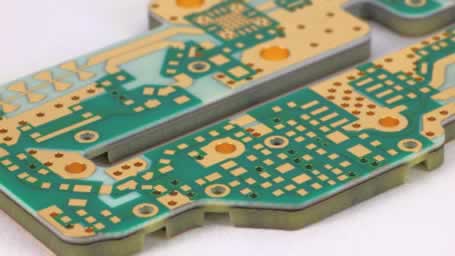
- The review results in traceable conclusions.
- The basis for the agenda items is the same.
- The conclusions and outstanding issues are listed side by side.
- Write the responsibilities and tasks for pending items.
- Several lists reference each other.
- Invalid conclusions should be marked separately.
Outsourcing Agreement with Suppliers
Clearly define the boundaries of responsibility between external contractors, suppliers, and internal functions regarding assembly quality and data management to avoid any gaps where no one is responsible for verification. Management guidelines can be referenced as follows:Management Guidelines for 5G PCBs。
It is recommended that the agreement specify the scope of delivery, compliance documentation accompanying the shipment, procedures for reporting deviations, prohibited actions, and principles for handling breaches of contract; it should also require the other party to provide written notice of any changes to document versions. Any delivery beyond the agreed scope may only be accepted after written confirmation by the authorized function; documents of unknown origin shall not be included in the controlled document system nor used as the basis for acceptance. This page does not provide any oven temperature settings, solder paste parameters, placement settings, or defect rework procedures; the descriptions already present in the original text remain unchanged.

- The scope of responsibility is specified in the agreement.
- The scope of delivery and compliance documentation are clearly defined.
- Any deviation from the standard notification method must be agreed upon.
- Any changes to the information must be notified in writing.
- Deliveries made beyond one's authority require authorization and confirmation.
- Items of unknown origin are not accepted for control.
Exceptions and Exemptions from Approval
When on-site conditions are limited, there are always exceptions to the established rules regarding assembly quality and data management; the key is to turn those exceptions into verifiable, written conclusions.
It is recommended to establish an exemption record that covers the reason for the request, scope of application, scope of impact, basis for substitution, approval authority, and re-evaluation milestones, and that cross-references the review record. An exemption does not constitute permanent approval; when subsequent versions of documentation, suppliers, or supporting documents change, a reassessment should be conducted to determine whether the historical conclusion remains applicable. This page does not provide any oven temperature settings, solder paste parameters, placement settings, or defect rework procedures; the descriptions already present in the original text remain unchanged.

- Exceptions due to time constraints are inevitable.
- Exceptions must be documented in writing.
- Record the reason, scope, and basis.
- The approval functions and re-evaluation milestones are specified.
- Cross-references to the review records.
- Do not provide a value for the alternative condition.
Changes to Trigger Conditions and the Scope of Re-evaluation
Any change in the data version, supplier, applicable regulations, or supporting documentation should trigger a targeted re-evaluation of conclusions related to assembly quality and data management.
The value of a re-evaluation lies in confirming whether historical conclusions remain valid, rather than redoing the entire record from scratch. It is recommended to document changes, the scope of impact, re-evaluation conclusions, and conditions for reinstatement, and to cross-reference these with the original evaluation records and non-conformance reports. For cross-departmental projects, the authorized department should uniformly determine the depth of the re-evaluation to avoid having two sets of criteria coexisting for the same project. This page does not provide any oven temperature settings, solder paste parameters, placement settings, or defect rework procedures; the descriptions already present in the original text remain unchanged.
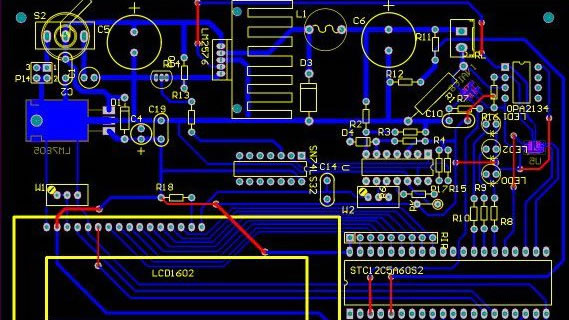
- Any change will trigger a reassessment.
- Determine whether historical conclusions are applicable.
- The scope of impact and conclusions remain the same.
- Clearly state the conditions for restoration.
- Cross-references with the exception record.
- Avoid having two sets of criteria operating in parallel.
Comparison of Governance Dimensions
Comparing the focus areas, sources of information, and record formats for assembly quality and data management helps quickly identify gaps in policies or records that need to be addressed during an audit. The table below is intended solely for qualitative classification and does not replace the conclusions of an audit or approval review.
The table does not provide any formulations, temperatures, times, pressures, quantities, or pass/fail criteria. Actual conclusions must be jointly confirmed based on the supplier’s data sheets, on-site operating procedures, applicable standards, contracts, and local regulations, and must be reviewed by personnel with the appropriate qualifications before being filed. The purpose of the table is to ensure that no management items are overlooked; it is not intended to replace any round of actual review or validation. This page does not provide any oven temperature settings, solder paste parameters, placement settings, or defect rework procedures; the descriptions already present in the original text remain unchanged.
| Subject of Focus | Source | Recording Medium |
|---|---|---|
| Terminology and Versions | Standards and Documents | Cross-Reference Table and Version Log |
| Resources and Regulations | Data Tables and Lists | Source Ledger and List of Regulations |
| Authorization and Record-Keeping | Positions and Reporting | List of Authorizations and Record-Keeping Ledger |
| Review and Changes | Review and Approval | Review Records and Re-evaluation Conclusions |
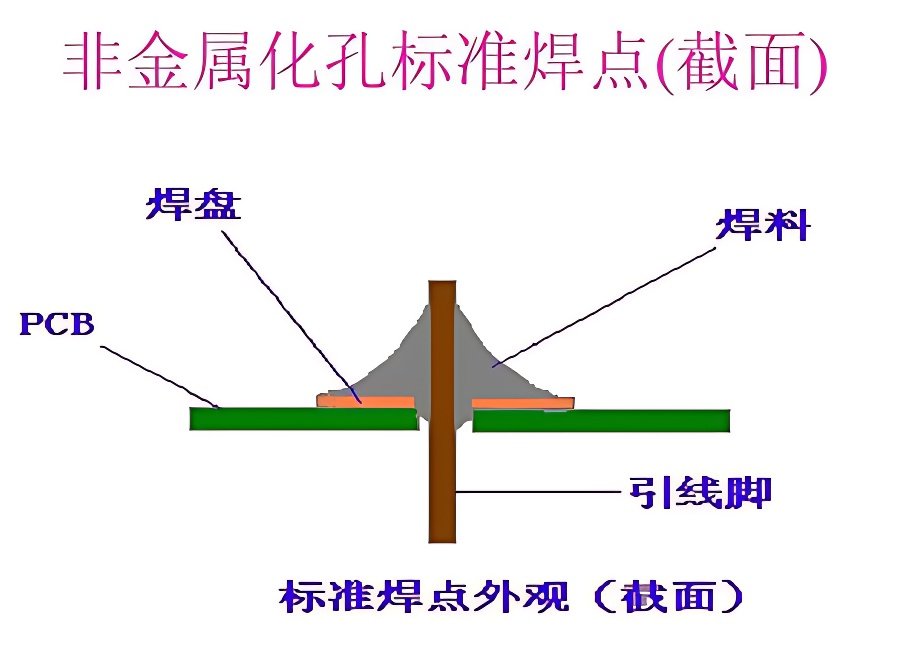
- The form is used for the initial screening review.
- It is merely a qualitative classification.
- This is not a substitute for actual verification.
- No values are provided.
- The documents and regulations shall prevail.
- The review findings must be filed.
Client Review and Delivery Checklist
It is recommended to verify, item by item, the terminology, reference versions, supplier documentation, regulatory lists, personnel authorizations, record-keeping ledgers, review records, outsourcing responsibilities, exemption approvals, and re-evaluation conclusions related to assembly quality and documentation management. For soldering standards, please refer toPCBA Soldering Standards。
The checklist should retain the verification conclusions and descriptions of discrepancies for each round as a basis for revising the procedures. This approach advances management from “filling in records only when asked” to a system characterized by “clear guidelines, defined responsibilities, and traceable processes,” and also enables the rapid identification of specific steps during customer audits or internal traceability reviews. For cross-departmental projects, it is recommended that a single checklist be used as a delivery baseline shared by all three parties, with the effective version clearly indicated. This page does not provide any oven temperature settings, solder paste parameters, placement settings, or defect rework procedures; all descriptions already present in the original text remain unchanged.
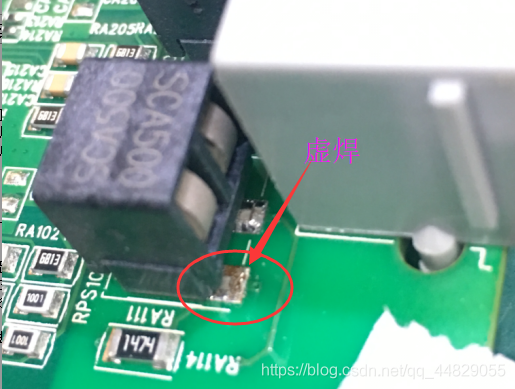
- Go over the specifications and documentation item by item.
- Ensure that all statutory authorizations and records are thoroughly reviewed.
- Review the exemption from outsourcing in conjunction with the verification.
- The conclusions of the re-evaluation must be consistent.
- Description of the discrepancy write-back system.
- The three parties share a single baseline.
Frequently Asked Questions on Assembly Quality and Compliance with Data Management Regulations
1. Why is it important to standardize the terminology first?
Because the same term often carries different underlying assumptions in the design, procurement, production, and inspection phases, failure to align these assumptions in advance can easily lead to conclusions that are all correct but mutually contradictory. It is recommended to establish a glossary of terms, specifying the scope of application, the version of the reference document, and the responsible party for verification, with obsolete terms archived separately. This page does not provide any oven temperature settings, solder paste parameters, placement settings, or defect rework procedures; the descriptions already present in the original text remain unchanged.
2. Why should data and information be based on controlled versions?
Since requirements for documents with the same name may vary across different versions, referencing them by name alone may compromise comparability. It is recommended to record the document number, version number, effective date, and approver, and to archive superseded versions separately; the order of precedence for applicable standards, customer specifications, and internal documents should be specified in advance in the contract.
3. How should safety and environmental protection obligations be incorporated into documents?
It is recommended to establish a list of applicable regulations, documenting the names, versions, effective dates, responsible functions, and review milestones, and to cross-reference compliance conclusions with procurement and delivery documents; occupational safety and waste disposal shall be governed by on-site controlled documents, supplier data sheets, and local regulations. This page does not provide any oven temperature settings, solder paste parameters, placement settings, or defect rework procedures; the descriptions already present in the original text remain unchanged.
4. What information should the list of authorized personnel include?
It is recommended to specify the positions covered, the scope of authorization, the effective date, the approval functions, and the review points, and to clearly identify revoked authorizations. Revoke permissions promptly when personnel are reassigned or a project ends. Matters involving security and regulatory interpretation should be handled by personnel with the appropriate authority; this page does not provide any methods for qualification determination or decision-making thresholds.
5. What fields should the ledger include?
This should include the time of discovery, the stage at which it was discovered, the sample identification, the version of the reference document, the positions responsible for execution and review, the conclusion category, the nonconformance report number, and the resolution status, and should be linked to the batch, work order, and report numbers. The fields should focus on traceability information rather than recording any reusable conditions. This page does not provide any oven temperature settings, solder paste parameters, placement settings, or defect rework procedures; the descriptions already present in the original text remain unchanged.
6. Under what circumstances should a re-evaluation be initiated?
Any change to the version of the documentation, the supplier, the applicable regulations, or the supporting documents should trigger a targeted re-evaluation to confirm whether the previous conclusions remain valid. It is recommended to document the changes, their scope of impact, the re-evaluation conclusions, and the conditions for reinstatement to avoid having two sets of supporting documentation coexisting for the same project.
7. Why should the scope of responsibility for outsourced work be included in the agreement?
Since verbal agreements cannot be traced back after a version update or personnel changes, it is recommended to clearly specify the scope of delivery, the compliance documentation accompanying the shipment, the procedures for reporting deviations, and prohibited actions, and to require the other party to provide written notification of any changes to document versions. Documents of unknown origin should not be included in the controlled document system.
8. What should be included in the delivery checklist prior to client review?
Recommendations should include terminology definitions, reference versions, supplier information, a list of regulations, personnel authorizations, record-keeping logs, review records, outsourcing responsibilities, exemption approvals, and re-evaluation conclusions. For each round, retain the verification conclusions and descriptions of discrepancies, and update the management system accordingly. This page does not provide any oven temperature settings, solder paste parameters, placement settings, or defect rework procedures; the descriptions already present in the original text remain unchanged.
3. Conclusion
Surface-mount technology (SMT) has become central to modern electronics manufacturing, and its fundamental principles and various assembly processes provide critical support for the production of electronic products. Understanding the basic principles and processes of SMT is essential for the electronics manufacturing industry; only through continuous innovation and technological improvements can we continually enhance the quality and performance of electronic products.
Frequently Asked Questions
1. What is SMT technology?
Surface-mount technology (SMT) is a method for mounting and connecting electronic components. It enables high-density, highly reliable electronic manufacturing by mounting components directly onto the surface of a printed circuit board (PCB) rather than inserting them into holes.
2. What are the basic processes involved in SMT technology?
The basic SMT processes include screen printing, dispensing, placement, curing, reflow soldering, cleaning, inspection, and rework.
3. Why is SMT technology so important in electronics manufacturing?
SMT technology enables higher component density, shorter production cycles, and lower manufacturing costs, and therefore plays a vital role in modern electronics manufacturing.
4. What are the different types of SMT processes?
The SMT assembly process can be divided into single-sided and double-sided assembly, each of which involves a variety of different process flows; the appropriate process is selected based on specific production requirements.
5. Why does the SMT process require inspection and rework steps?
Inspection and rework procedures are designed to ensure the quality and performance of assembled electronic products. Through inspection, problems can be identified and corrected in a timely manner to improve product reliability.
Further Reading:Stability and Reliability of Multilayer PCBs · SMT Placement Equipment and AOI (Automated Optical Inspection) Systems