

The supply chain for PCBA (Printed Circuit Board Assembly) manufacturing encompasses multiple operational stages, ranging from component procurement, circuit board fabrication, surface-mount assembly, through-hole assembly, programming, PCBA testing, to packaging and logistics. Within this extensive supply chain, inspecting PCBA soldering standards to ensure product quality has always been a complex challenge. In particular, the IPC-A-610E electronic acceptance standard—widely used in the industry—provides detailed pre-shipment standards for PCBA. However, due to its extensive and detailed content, strict compliance with every requirement can result in significant labor costs and pose challenges to production efficiency for typical manufacturing facilities.

In this article, Jingpeng Electronics will discuss how to achieve efficient production and ensure product quality by streamlining key aspects of PCBA inspection standards.
1. ICT or Functional Testing Pass Criteria
The ultimate goal of standard PCBA soldering inspections is to ensure that every PCBA board passes testing before leaving the factory. Among these, one of the most widely used inspection methods is ICT (In-Circuit Test). Using a simple ICT test fixture, circuit continuity testing can be performed on manufactured PCBA boards with a pass rate of 100%. Through ICT testing, PCBA boards with a pass rate of 90% can be considered ready for shipment.
2. Appearance Standards
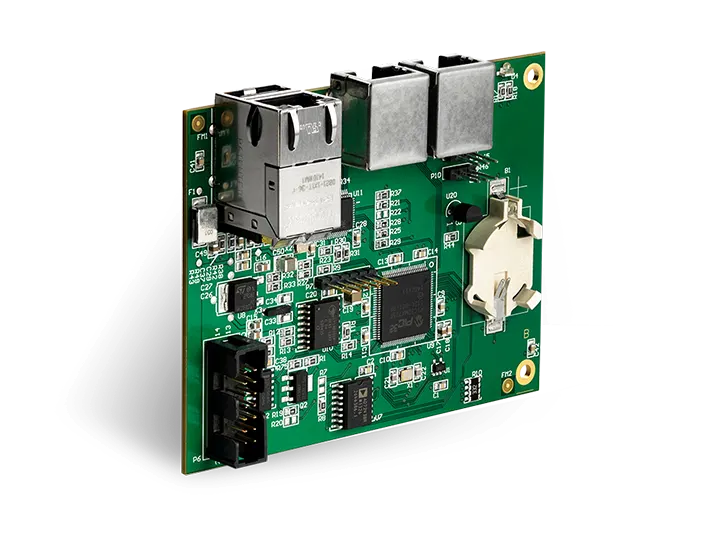
Every PCBA manufacturing facility has an OQA (Outgoing Quality Assurance) department responsible for conducting visual inspections of PCBA boards before they leave the factory. These inspectors carefully examine the appearance of the PCBA boards to ensure there are no obvious reliability issues, such as insufficient solder thickness at the joints or damaged components.
3. Aging Standards
To ensure the quality of PCBA boards, aging tests must be conducted. Typically, this involves repeatedly turning the power on and off or keeping the board powered on for extended periods, building upon the PCBA burn-in procedure. In addition, specialized instruments can be used to test electromagnetic compatibility (EMC) and the stability of power supply and voltage input/output signals. Although this testing is time-consuming, sampling tests are still necessary to some extent. Of course, if requested by the customer, more rigorous aging tests may be required, which will necessitate the active cooperation of the PCBA manufacturer.
Combining Simplification with Experience
IPC standards serve as an important reference for PCBA soldering standards; however, in actual production, process engineers need to adapt to specific circumstances and apply these standards flexibly. Sometimes, IPC standards fall significantly short of customer requirements, so appropriate adjustments must be made based on customer needs. In practice, experience also plays a crucial role; process engineers must rely on their extensive experience to ensure the first-pass yield of PCBA boards.
By implementing efficient inspections at key stages, PCBA manufacturing facilities can produce high-quality products while improving production efficiency and ensuring the smooth operation of the supply chain.
5 Frequently Asked Questions (FAQs)
1. What does PCBA stand for?
PCBA manufacturing refers to the process of soldering components onto a printed circuit board to create a complete circuit board assembly.
2. Why is the PCBA manufacturing supply chain so complex?
The PCBA manufacturing supply chain involves multiple stages, including component procurement, circuit board fabrication, surface-mount assembly, through-hole assembly, programming, testing, and packaging and logistics, making it quite complex.
3. Why is ICT testing a common method for inspecting PCBA?
ICT testing can quickly and accurately detect circuit continuity on PCBA boards, which is why it is widely used in PCBA production.
4. Why is aging testing required for PCBA boards?
Aging tests can simulate the performance of PCBA boards during long-term use, ensuring the reliability and stability of the product.
5. Why is it necessary to simplify PCBA inspection standards?
IPC standards are very detailed, and strict adherence to every single one can result in high labor costs and low efficiency. Simplifying the standards can improve production efficiency while ensuring product quality.
