

Welcome to Chapter 2 of our introductory textbook on printed circuit boards for the new school year. In this chapter, we’ll take an in-depth look at the manufacturing process of copper-clad laminates and the different types available. This knowledge is essential for electronic circuit design and PCB manufacturing. Let’s explore this exciting field together.
Table of Contents
- Briefly describe how general copper-clad laminates are manufactured.
- Types and Classification of Copper-Clad Laminates
- The Significance of National Standard GB/T 4721-92
- Common English Abbreviations and Their Meanings
- UL Standards and Quality and Safety Certification Organizations
- Methods for Manufacturing Copper Foil and Its Classification
- Performance Characteristics of Electrolytic Copper Foil and Rolled Copper Foil
- Technical Properties of Electrolytic Copper Foil andCopper-Clad LaminateImpact on Performance
- Properties of Fiberglass Cloth
- Common Types of Paper-Based Copper-Clad Laminates
- A Comparison of Paper-Based Copper-Clad Laminates and Epoxy-Glass-Fabric-Based Copper-Clad Laminates
- Properties of Phenolic Paper-Based Copper-Clad Laminates
- Characteristics of Standard Glass-Fiber-Based Copper-Clad Laminates
- Classification and Thickness Ranges of FR-4 Printed Circuit Boards
- The Significance and Characteristics of CEM-3 Copper-Clad Laminate
1. Briefly describe how standard copper-clad laminates are manufactured.
Copper-clad laminates are generally manufactured through the following steps:
- Select reinforcing materials, such as fiberglass cloth, fiberglass mat, or impregnated fiber paper.
- Impregnated reinforced materials are bonded with resin to form a preform.
- The blank is dried and cut to the desired size.
- Cover the blank with copper foil.
- Using steel plates as dies, the blank is pressed into the desired shape under high temperature and high pressure.
2. Types and Classification of Copper-Clad Laminates
Copper-clad laminates can be divided into two categories based on their rigidity and the type of reinforcing material used:
- Rigid Copper-Clad Laminate: Suitable for rigid printed circuit boards.
- Flexible Copper-Clad Laminate: Suitable for flexible printed circuit boards.
Depending on the type of reinforcing material used, copper-clad laminates can be divided into four major categories:
- Paper-based copper-clad laminate
- Copper-Clad Laminate with Glass Fiber Base
- Copper-clad laminates with composite substrates, such as the CEM series
- Copper-clad laminates with special substrates, such as ceramic or metal substrates.
3. The Significance of National Standard GB/T 4721-92
The national standard GB/T 4721-92 pertains to copper-clad laminates and provides specifications for product designations. In these designations, the first letter, “C,” stands for copper-clad; the next two letters indicate the base material and reinforcing material; and the last two digits denote the product number for items of the same type but with different performance characteristics.
4. Common English Abbreviations and Their Meanings
In the printed circuit board industry, there are many common English abbreviations, including:
- JIS: Japanese Industrial Standards
- ASTM: American Society for Testing and Materials Standards
- NEMA: National Electrical Manufacturers Association Standards
- MIL: U.S. Military Standard
- IPC: Standards of the U.S. Interconnect and Packaging Council
- ANSI: American National Standards Institute standards
- UL: Underwriters Laboratories Standards
- IEC: International Electrotechnical Commission Standards
- BS: British Standards Institution standards
- DIN: German Institute for Standardization
- VDE: German Electrical Standards
- CSA: Canadian Standards Association Standards
- AS: Australian Standards Association Standards
5. UL Standards and Quality and Safety Certification Bodies
UL stands for ”Underwriters Laboratories.” UL has published numerous safety standards, including those related to copper-clad laminates. UL certification is a mark of product quality and safety.
6. Methods for Manufacturing Copper Foil and Its Classification
Copper foil can be divided into two main categories: rolled copper foil and electrolytic copper foil. In IPC standards, they are referred to as Class W and Class E, respectively. Rolled copper foil is produced through repeated rolling, while electrolytic copper foil is produced through electrolytic refining.
7. Performance Characteristics of Electrolytic Copper Foil and Rolled Copper Foil
Electrolytic copper foil typically has greater fold resistance and a higher coefficient of elasticity than rolled copper foil, and it also has a higher copper purity. Electrolytic copper foil is superior to rolled copper foil in terms of surface smoothness. These performance characteristics are critical for the design and manufacture of printed circuit boards.
8. The Technical Properties of Electrolytic Copper Foil and Their Impact on the Properties of Copper-Clad Laminates
The technical properties of electrolytic copper foil—such as thickness, appearance, tensile strength, peel strength, flex resistance, surface roughness, etchability, and resistance to high-temperature oxidation—directly affect the performance of copper-clad laminates. Understanding these properties is crucial for selecting the appropriate copper-clad laminate.
9. Properties of Fiberglass Cloth
Fiberglass cloth is a commonly used reinforcing material. Its properties include the types of warp and weft yarns, weave density, thickness, weight, width, and tensile strength. These properties affect the quality and performance of copper-clad laminates.
10. Common Types of Paper-Based Copper-Clad Laminates
Paper-based copper-clad laminates are commonly used in the manufacture of electronic circuits. Common types include XPC, XXXPC, FR-1 (XPC-FR), FR-2 (XXXPC-FR), FR-3, and others. They are inexpensive and easy to process, but they have high water absorption.
11. Comparison of Paper-Based Copper-Clad Laminates and Epoxy-Glass-Fabric-Based Copper-Clad Laminates
Paper-based copper-clad laminates and epoxy-glass-fabric-based copper-clad laminates differ in their performance characteristics. Paper-based laminates are inexpensive and easy to punch, but they are inferior to glass-fabric-based laminates in certain performance aspects, particularly water absorption.
12. Properties of Phenolic Paper-Based Copper-Clad Laminates
Phenolic paper-based copper-clad laminates possess a wide range of properties, including dielectric properties, mechanical properties, physical properties, and flame retardancy. In addition, they exhibit several application-specific properties, such as punchability, dimensional stability, water absorption, impact strength, and resistance to solder wicking.
13. Characteristics of Standard Glass-Fiber-Based Copper-Clad Laminates
Standard glass-fiber-reinforced copper-clad laminates use Type E glass fiber cloth and typically feature electrolytically roughened copper foil with thicknesses of 0.018 mm, 0.035 mm, and 0.070 mm. These laminates are widely used in electronic products and offer excellent performance and durability.
14. Classification and Thickness Ranges of FR-4 Circuit Boards
FR-4 printed circuit boards are divided into two types: rigid printed circuit boards and thin-film core layers used in multilayer printed circuit boards. Their thickness ranges are 0.8–3.2 millimeters and 0.1–0.75 millimeters, respectively.
Terminology and Definitions for Copper Foil Materials and Data Management
Classifying and standardizing terms related to copper foil materials and data management by concept is more conducive to aligning reviews than continuing to use customary terms; please refer to the standard specifications for guidance.EMI Design Specifications and Control Principles。
The same technical term often carries different default assumptions across the design, procurement, production, and inspection phases; without prior alignment, it is easy for all parties to arrive at conclusions that are correct in their own right but mutually contradictory. It is recommended to establish a terminology cross-reference table that specifies the applicable scope, the version of the reference document, and the responsible party for verification, with obsolete terms archived separately. This page does not provide any copper thickness values, surface roughness parameters, selection thresholds, or processing steps; all descriptions from the original text remain unchanged.

- Classify by concept and assign uniform names.
- The default assumptions differ across the various stages.
- The cross-reference table specifies the basis and functions.
- Invalid names are kept on file separately.
- Comparisons are only valid when the criteria are consistent.
- This article does not provide operating conditions.
Document and Version Control
Requirements for tasks or test documents with the same name may vary across different versions; executing them based on name rather than version will result in a loss of comparability. For standard compilation, please refer toCommon IPC Standards for Printed Circuit Boards。
It is recommended that document numbers, version numbers, effective dates, and approver information be retained in the records, and that redistribution be restricted; only the currently valid version should be kept on-site, while obsolete versions should be stored separately. Applicable standards, customer specifications, and internal operating procedures belong to different levels of hierarchy; the order of precedence in the event of a conflict should be specified in advance in the contract or technical agreement. This page does not provide any copper thickness values, roughness parameters, selection thresholds, or processing steps; the descriptions already present in the original text remain unchanged.
- Versions with the same name may differ.
- No., Version, Date, Approver—all recorded.
- Only the currently valid version will remain on-site.
- Standard customer component hierarchy.
- Priorities are agreed upon in advance.
- The conclusion does not change depending on who cites it.
Supplier Data Sheet and Responsibility Interface
Performance and safety information related to copper foil materials and their handling should be based on controlled documentation provided by the supplier, rather than verbal experience or visual impressions. For regulatory guidance, please refer toWhat is RoHS?。
It is recommended to document the name, version, effective date, responsible department, and approver of the documentation, and to cross-reference it with the procurement specifications and acceptance criteria; when the documentation is updated or the supplier changes, the authorized department shall assess the scope of impact and initiate a re-evaluation. This page does not provide any copper thickness values, roughness parameters, selection thresholds, or processing steps; the descriptions already present in the original text remain unchanged.
- The information is derived from controlled sources.
- Name, Version, Date, Approver—all recorded.
- Cross-reference with the procurement specifications and acceptance criteria.
- Updates to the data trigger a re-evaluation.
- The data tables and regulations shall prevail.
- This article does not specify any terms of use.
Safety, Environmental Protection, and Applicable Regulations
On-site responsibilities related to the management of copper foil materials and documentation should be verified independently in accordance with applicable laws and local regulatory requirements; external experience cannot be applied directly. For guidance on interpreting standards, please refer toA Comprehensive Overview of Common Printed Circuit Board Standards。
It is recommended to establish a list of applicable regulations that records the regulation name, version, effective date, responsible functions, and review milestones, and to cross-reference compliance conclusions with procurement and delivery documents. Matters such as occupational protection, waste disposal, and information disclosure shall be governed by on-site controlled documents, supplier data sheets, and local regulations, and shall be reviewed by appropriately qualified personnel before being filed. This page does not provide any copper thickness values, roughness parameters, selection thresholds, or processing steps; the descriptions already present in the original text remain unchanged.
- The list of regulations is maintained separately.
- Specify the version date and responsibilities.
- Compliance conclusions and procurement are interrelated.
- Refer to the on-site documentation for safety precautions.
- Verify and file the records of qualified personnel.
- This article does not provide operating conditions.
Staff Authorization and Position Qualifications
Personnel who access controlled information, draw conclusions regarding copper foil materials and information management, or sign off on records must have explicit authorization; for a statement of reliability, please refer toPCB Reliability Design: DfR Principles and Applications。
It is recommended to maintain an authorization list that records job titles, scope of authorization, effective dates, approving authorities, and review points, with revoked authorizations clearly marked. Revoke permissions promptly when personnel are reassigned or a project ends. Matters involving safety and regulatory interpretation should be handled by personnel with the appropriate authority; this document does not provide any methods for qualification determination, training content, or assessment thresholds. This page does not provide any copper thickness values, roughness parameters, selection thresholds, or processing steps; the descriptions already present in the original text remain unchanged.

- The list of authorized personnel is maintained by position.
- Scope, dates, and approval authority are recorded together.
- Revoke access privileges promptly once the job reassignment is complete.
- Separate label for revoked authorizations.
- Security explanations are provided by the authorized department.
- This article does not provide a threshold for determination.
Record Fields and the Chain of Custody
The value of records related to copper foil materials and data management lies in their traceability; the relevant fields should be included in the management information, and reference can be made to the materials overview.A Guide to PCB Materials。
It is recommended to document the time of discovery, the stage at which it was discovered, the sample identification, the version of the reference document, the positions responsible for execution and review, the conclusion category, the nonconformance report number, and the disposition status, and to link this information to the batch, work order, and report numbers. The disposition conclusion must be confirmed in writing by an authorized official, and the recipient’s acknowledgment must be filed. This page does not provide any copper thickness values, roughness parameters, selection thresholds, or processing steps; the descriptions already present in the original text remain unchanged.
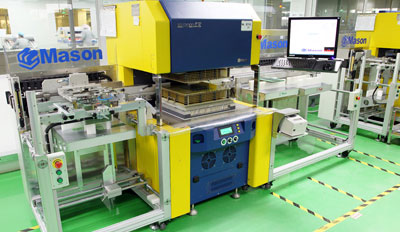
- The field is located in the traceability information.
- The date of discovery is recorded alongside the specimen.
- Retain based on version and position.
- Disposition is confirmed by the authorized function.
- The acknowledgment and the re-evaluation conclusion cross-reference each other.
- This article does not provide instructions on how to proceed.
Review Records and Conclusions Are Traceable
The value of reviews related to copper foil materials and data management lies in producing traceable conclusions, rather than merely reaching a verbal agreement on the spot.
It is recommended that review records include the topic, participating functions, the version of the reference document, conclusions, outstanding items, and closure status, and that they cross-reference the glossary and record ledger. For items on which consensus has not been reached, the responsible person and the date for re-evaluation should be specified to prevent the issue from recurring in a different form in the next delivery cycle; Relevant records shall be archived by project and version, with invalid conclusions marked separately. This page does not provide any copper thickness values, roughness parameters, selection thresholds, or processing steps; descriptions already present in the original text remain unchanged.
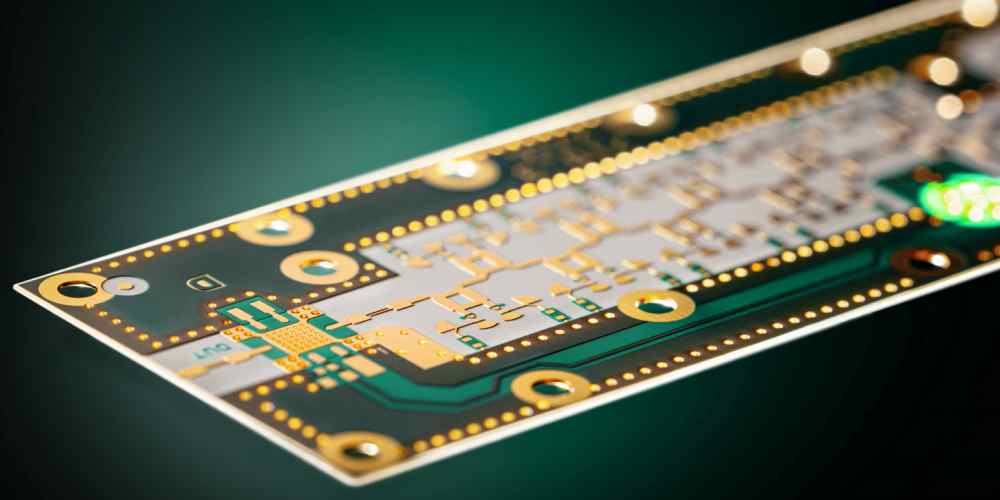
- The review results in traceable conclusions.
- The basis for the agenda items is the same.
- The conclusions and outstanding issues are listed side by side.
- Write the responsibilities and tasks for pending items.
- Several lists reference each other.
- Invalid conclusions should be marked separately.
Outsourcing Agreement with Suppliers
Clearly define the boundaries of responsibility among external contractors, suppliers, and internal functions regarding the management of copper foil materials and documentation to avoid any gaps where no one is responsible for verification. Management guidelines may be referenced.Management Guidelines for 5G PCBs。
It is recommended that the agreement specify the scope of delivery, compliance documentation accompanying the goods, procedures for reporting deviations, prohibited actions, and principles for handling breaches of contract, and require the other party to provide written notice of any changes to document versions. Any delivery beyond the agreed scope may only be accepted after written confirmation by the authorized function; documents of unknown origin shall not be included in the controlled document system nor used as the basis for acceptance. This page does not provide any copper thickness values, roughness parameters, selection thresholds, or processing steps; the descriptions already present in the original text remain unchanged.
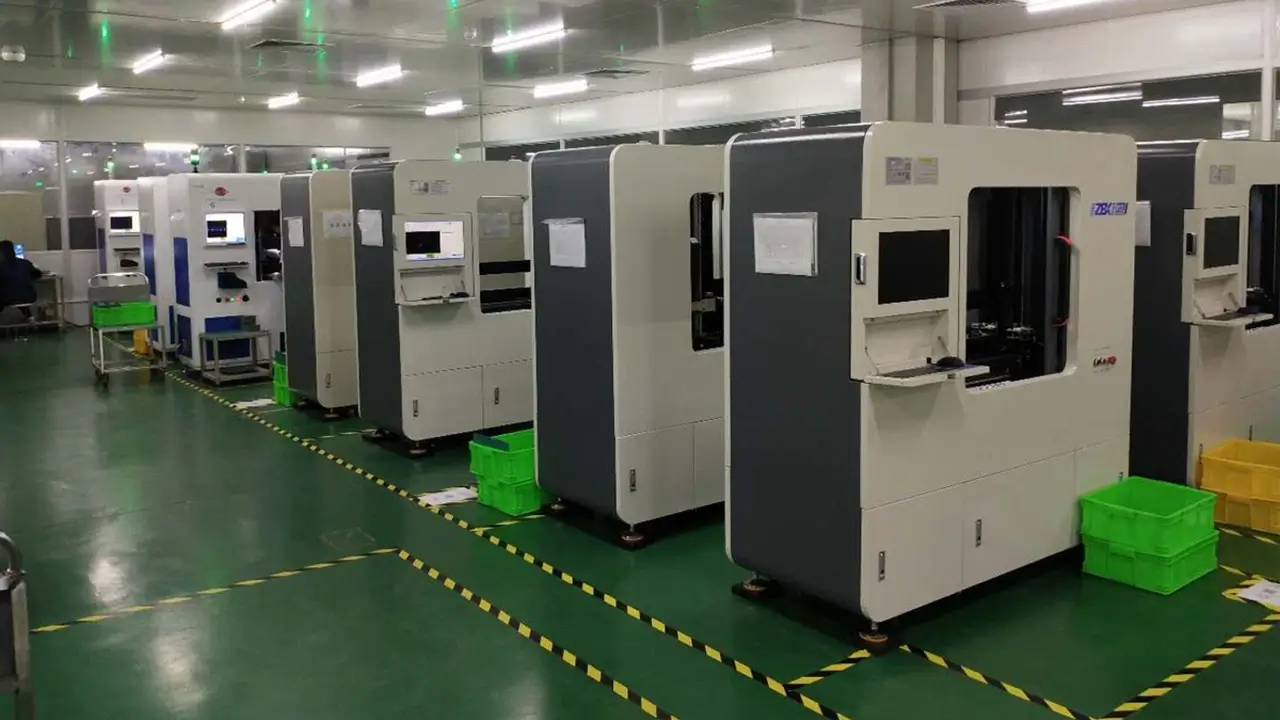
- The scope of responsibility is specified in the agreement.
- The scope of delivery and compliance documentation are clearly defined.
- Any deviation from the standard notification method must be agreed upon.
- Any changes to the information must be notified in writing.
- Deliveries made beyond one's authority require authorization and confirmation.
- Items of unknown origin are not accepted for control.
Exceptions and Exemptions from Approval
When on-site conditions are limited, there are always exceptions to existing rules regarding copper foil materials and data management; the key is to turn those exceptions into verifiable written conclusions.
It is recommended to establish an exemption record that covers the reason for the request, scope of application, scope of impact, basis for substitution, approval authority, and re-evaluation milestones, and that cross-references the review record. An exemption does not constitute permanent approval; when subsequent versions of documentation, suppliers, or supporting documents change, a reassessment should be conducted to determine whether the historical conclusion remains applicable. This page does not provide any copper thickness values, roughness parameters, selection thresholds, or processing steps; the descriptions already present in the original text remain unchanged.
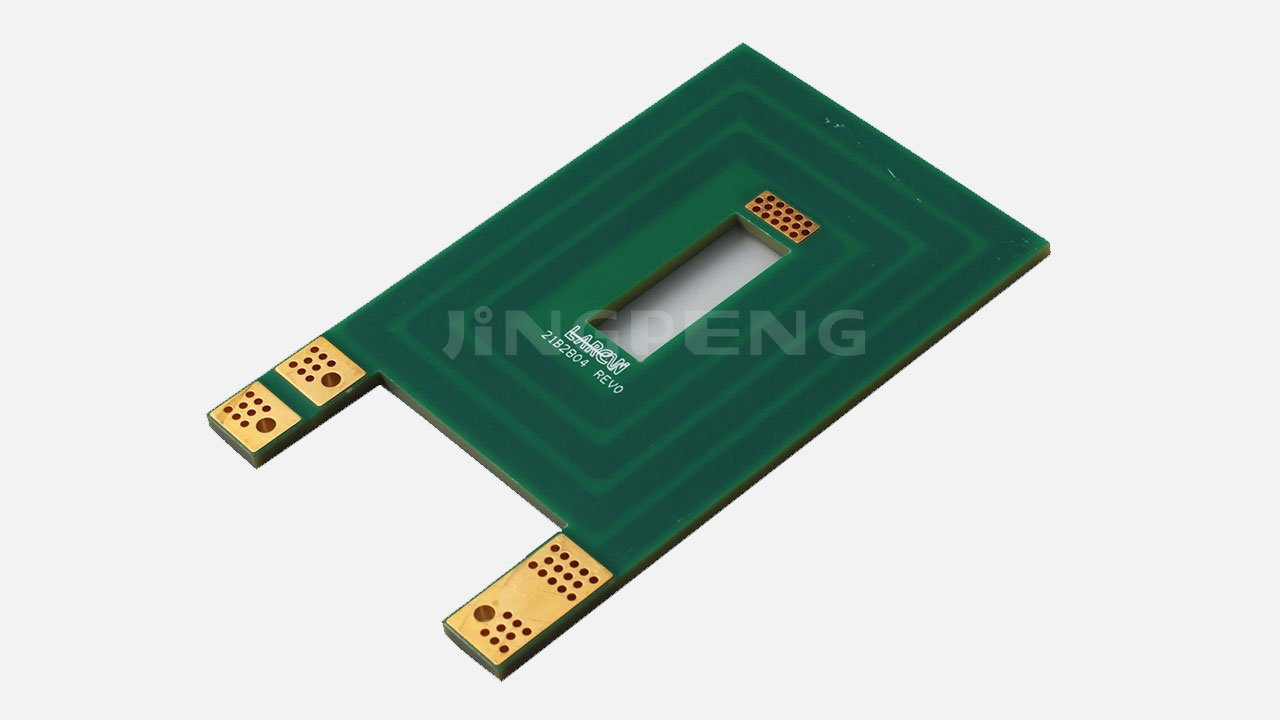
- Exceptions due to time constraints are inevitable.
- Exceptions must be documented in writing.
- Record the reason, scope, and basis.
- The approval functions and re-evaluation milestones are specified.
- Cross-references to the review records.
- Do not provide a value for the alternative condition.
Changes to Trigger Conditions and the Scope of Re-evaluation
Any change in the data version, supplier, applicable regulations, or supporting documentation should trigger a targeted reassessment of the conclusions regarding copper foil materials and data management.
The value of a re-evaluation lies in confirming whether historical conclusions remain valid, rather than redoing the entire record from scratch. It is recommended to document changes, the scope of impact, re-evaluation conclusions, and conditions for restoration, and to cross-reference these with the original evaluation records and non-conformance reports. For cross-departmental projects, the authorized function should uniformly determine the depth of the re-evaluation to avoid having two sets of criteria coexisting for the same project. This page does not provide any copper thickness values, roughness parameters, selection thresholds, or processing steps; the descriptions already present in the original text remain unchanged.

- Any change will trigger a reassessment.
- Determine whether historical conclusions are applicable.
- The scope of impact and conclusions remain the same.
- Clearly state the conditions for restoration.
- Cross-references with the exception record.
- Avoid having two sets of criteria operating in parallel.
Comparison of Governance Dimensions
Comparing copper foil materials with the subjects of data management, their sources, and their storage media helps quickly identify gaps in policies or records that need to be addressed during an audit. The table below is for qualitative classification only and does not replace the conclusions of an audit or approval process.
The table does not provide any formulations, temperatures, times, pressures, quantities, or acceptance criteria. Actual conclusions must be jointly confirmed based on the supplier’s data sheets, on-site operating procedures, applicable standards, contracts, and local regulations, and must be reviewed by personnel with the appropriate qualifications before being filed. The purpose of the table is to ensure that no management items are overlooked; it is not intended to replace any round of actual review or validation. This page does not provide any copper thickness values, roughness parameters, selection thresholds, or processing steps; the descriptions already present in the original text remain unchanged.
| Subject of Focus | Source | Recording Medium |
|---|---|---|
| Terminology and Versions | Standards and Documents | Cross-Reference Table and Version Log |
| Resources and Regulations | Data Tables and Lists | Source Ledger and List of Regulations |
| Authorization and Record-Keeping | Positions and Reporting | List of Authorizations and Record-Keeping Ledger |
| Review and Changes | Review and Approval | Review Records and Re-evaluation Conclusions |
- The form is used for the initial screening review.
- It is merely a qualitative classification.
- This is not a substitute for actual verification.
- No values are provided.
- The documents and regulations shall prevail.
- The review findings must be filed.
Client Review and Delivery Checklist
It is recommended to verify, item by item, the definitions of terms related to copper foil material and data management, the versions of relevant standards, supplier documentation, lists of regulations, personnel authorizations, record-keeping ledgers, review records, responsibilities for outsourced work, exemptions from approval, and re-evaluation conclusions. For welding standards, please refer toPCBA Soldering Standards。
The checklist should retain the verification conclusions and descriptions of discrepancies for each round as a basis for revising the procedures. This approach advances management from “filling in records only when asked” to a system characterized by “clear criteria, defined responsibilities, and traceable processes,” and also enables the rapid identification of specific steps during client audits or internal traceability reviews. For cross-departmental projects, it is recommended that a single checklist be used as a delivery baseline shared by all three parties, with the effective version clearly indicated. This page does not provide any copper thickness values, roughness parameters, selection thresholds, or processing steps; all descriptions already present in the original text remain unchanged.

- Go over the specifications and documentation item by item.
- Ensure that all statutory authorizations and records are thoroughly reviewed.
- Review the exemption from outsourcing in conjunction with the verification.
- The conclusions of the re-evaluation must be consistent.
- Description of the discrepancy write-back system.
- The three parties share a single baseline.
Frequently Asked Questions on Compliance Management for Copper Foil Materials and Documentation
1. Why is it important to standardize the terminology first?
Because the same term often carries different underlying assumptions in the design, procurement, production, and inspection phases, failure to align these assumptions in advance can easily lead to conclusions that are correct from each party’s perspective but mutually contradictory. It is recommended to establish a terminology cross-reference table that specifies the applicable scope, the version of the reference document, and the responsible party for verification; obsolete terms should be archived separately. This page does not provide any copper thickness values, surface roughness parameters, selection thresholds, or processing steps; all descriptions already present in the original text remain unchanged.
2. Why should data and information be based on controlled versions?
Since requirements for documents with the same name may vary across different versions, referencing them by name alone may compromise comparability. It is recommended to record the document number, version number, effective date, and approver, and to archive superseded versions separately; the order of precedence for applicable standards, customer specifications, and internal documents should be specified in advance in the contract.
3. How should safety and environmental protection obligations be incorporated into documents?
It is recommended to establish a list of applicable regulations, documenting the names, versions, effective dates, responsible functions, and review milestones, and to cross-reference compliance conclusions with procurement and delivery documents; occupational protection and waste disposal shall be governed by on-site controlled documents, supplier data sheets, and local regulations. This page does not provide any copper thickness values, roughness parameters, selection thresholds, or processing steps; the descriptions already present in the original text remain unchanged.
4. What information should the list of authorized personnel include?
It is recommended to specify the positions covered, the scope of authorization, the effective date, the approval functions, and the review points, and to clearly identify revoked authorizations. Revoke permissions promptly when personnel are reassigned or a project ends. Matters involving security and regulatory interpretation should be handled by personnel with the appropriate authority; this page does not provide any methods for qualification determination or decision-making thresholds.
5. What fields should the ledger include?
This should include the time of discovery, the stage at which it was discovered, the sample identification, the version of the reference document, the positions responsible for execution and review, the conclusion category, the nonconformance report number, and the disposition status, and should be linked to the batch, work order, and report numbers. The fields should focus on traceable information rather than recording any reusable conditions. This page does not provide any copper thickness values, roughness parameters, selection thresholds, or processing steps; the descriptions already present in the original text remain unchanged.
6. Under what circumstances should a re-evaluation be initiated?
Any change to the version of the documentation, the supplier, the applicable regulations, or the supporting documents should trigger a targeted re-evaluation to confirm whether the previous conclusions remain valid. It is recommended to document the changes, their scope of impact, the re-evaluation conclusions, and the conditions for reinstatement to avoid having two sets of supporting documentation coexisting for the same project.
7. Why should the scope of responsibility for outsourced work be included in the agreement?
Since verbal agreements cannot be traced back after a version update or personnel changes, it is recommended to clearly specify the scope of delivery, the compliance documentation accompanying the shipment, the procedures for reporting deviations, and prohibited actions, and to require the other party to provide written notification of any changes to document versions. Documents of unknown origin should not be included in the controlled document system.
8. What should be included in the delivery checklist prior to client review?
Recommendations should include terminology definitions, applicable versions, supplier information, a list of regulations, personnel authorizations, record-keeping logs, review records, outsourcing responsibilities, exemptions from approval, and re-evaluation conclusions. For each round, retain the verification conclusions and descriptions of discrepancies, and update the management system accordingly. This page does not provide any copper thickness values, roughness parameters, selection thresholds, or processing steps; the descriptions already present in the original text remain unchanged.
15. The Significance and Characteristics of CEM-3 Copper-Clad Laminate
The CEM-3 copper-clad laminate uses a non-woven glass fiber fabric, offering improved punch-forming performance, heat resistance, copper foil peel strength, and insulation properties. It is widely used in lightweight, thin, and compact electronic products, meeting a variety of performance requirements.
Frequently Asked Questions
Q1: What is UL certification?
UL certification is a quality and safety certification that ensures products comply with relevant standards and requirements. In printed circuit board manufacturing, UL certification is an important certification that ensures product quality and safety.
Q2: What is the difference between electrolytic copper foil and rolled copper foil?
Electrolytic copper foil is produced through electrolytic refining and features high purity and a smooth surface. Rolled copper foil is produced through mechanical processing and offers high strength and resistance to bending.
Q3: What are the differences between paper-based copper-clad laminates and glass-fiber-based copper-clad laminates?
Paper substrates are inexpensive and easy to process, but they are highly absorbent. Glass cloth substrates offer better performance and durability, but they are more expensive.
Conclusion
Copper-clad laminates are a key component in the design and manufacturing of electronic circuits. Understanding the different types of copper-clad laminates and their performance characteristics is essential for selecting the right circuit board. If you need further information or have questions about circuit board design, please feel free to contact us. Let’s work together to advance electronic technology!
If you have any questions or would like to learn more about PCB manufacturing, please feel free to contact me—I’ll be happy to assist you.
Additional Information:A Comparison of the Properties of the Three Most Common Types of Rigid Copper-Clad Laminates · Common Issues and Solutions for the Laminating Process of Multilayer Printed Circuit Boards