In the field of modern electronics manufacturing, HDI (High-Density Interconnect) circuit boards have become increasingly important. An HDI circuit board is a type of printed circuit board that employs specialized design and manufacturing techniques; it offers numerous advantages that make it the preferred choice for many electronic products. This article will take an in-depth look at the definition, characteristics, and differences between HDI circuit boards and traditional circuit boards to shed light on thisHigh-Density InterconnectThe Wonderful World of Technology.

What is an HDI circuit board?
The full name of an HDI circuit board is High-Density Interconnect circuit board. Its main characteristic is the use of microvias—vias with a diameter of less than 6 mil (0.15 mm) and a hole pad diameter of less than 0.25 mm. In addition, HDI circuit boards typically have a connection density of 130 points per square inch or higher, while the trace density can reach 117 inches per square inch or higher, with line widths and spacing generally at or below 3 mils. The design and manufacture of these circuit boards require a higher level of precision and technical expertise.
Advantages of HDI Circuit Boards
HDI circuit boards offer many significant advantages over traditional circuit boards, making them a popular choice in numerous applications.
1. Reduce PCB Costs
Once the density of a circuit board exceeds eight layers, the cost of manufacturing using HDI is typically lower than that of traditional complex lamination processes. This means that in high-density electronic products, using HDI circuit boards can effectively reduce manufacturing costs.
2. Increase circuit density
Traditional circuit boards typically require traces around packages such as QFPs to connect components, which takes up a significant amount of space. However, HDI technology allows the wiring needed for interconnections to be hidden on the next layer, thereby increasing the board’s density. This provides space for mounting more components on the same surface, making it particularly suitable for small electronic devices.
3. Facilitates the use of advanced packaging technologies
Micro-via technology in HDI circuit boards enables designers to integrate the latest high-density IC packaging technologies—such as array packaging, CSP, and DCA—into their systems. This provides greater flexibility in the design of modern electronic products.
4. Improved electrical performance and signal integrity
HDI circuit boards use microvia interconnects to reduce signal reflection and crosstalk between traces, thereby providing better electrical performance and signal transmission accuracy. In addition, the physical structure of the microvias minimizes inductance and capacitance effects, reducing switching noise.
5. High reliability
Due to the thin wall thickness of the microvias and their 1:1 aspect ratio, HDI circuit boards offer high reliability in signal transmission and are more effective at preventing failures than traditional through-hole circuit boards.
6. Improve thermal performance
The dielectric materials used in HDI circuit boards typically have a high glass transition temperature (Tg), which gives them better thermal performance and makes them suitable for applications in high-temperature environments.
7. Improve resistance to radio frequency interference, electromagnetic interference, and electrostatic discharge
HDI technology reduces the distance between the ground layer and the signal layer on a circuit board, thereby lowering the likelihood of radio frequency interference and electromagnetic interference. In addition, it increases the number of ground traces, reduces electrostatic discharge caused by static buildup in components within the circuit, and improves the reliability of electronic products.
8. Increase Design Efficiency
HDI technology places the traces on the inner layers, providing circuit designers with more design flexibility and thereby improving design efficiency.
Differences Between HDI Circuit Boards and Standard Circuit Boards
HDI circuit boards differ significantly from traditional circuit boards, and these differences give them distinct advantages in specific applications.
1. Line Density
Conventional circuit boards use through-hole conductors for interconnections, so the traces take up a lot of space. In contrast, HDI circuit boards use microvia technology to hide the traces on the underlying layer, thereby achieving higher trace density, which makes them particularly suitable for small electronic devices.
2. Conformation Technology
Conventional circuit boards are manufactured using drilling technology, which limits the size of solder pads (through-holes) and the capabilities of mechanical drilling, making it difficult to meet the demand for small components in modern electronic products. HDI circuit boards utilize microvia technology, which better supports the application of new high-density IC packaging technologies.
3. Electrical Performance and Signal Integrity
HDI circuit boards use microvia interconnects to reduce signal reflection and crosstalk between traces, providing better electrical performance and signal transmission accuracy. This is critical for applications that require high-performance signal transmission.
4. Application Industries
HDI circuit boards are widely used in industries such as mobile phones, computers, automotive electronics, and digital cameras. These industries require high-performance, high-density circuit boards to support their advanced electronic products.
Conclusion
HDI circuit boards represent the latest advancements in high-density interconnect technology and offer numerous advantages, including reduced costs, increased trace density, improved electrical performance, and enhanced reliability. They have been widely adopted across multiple industries and have become a core component of many electronic products. If you need high-performance, high-density circuit boards to support your electronic products, considering HDI circuit boards may be a wise choice.
In the world of HDI circuit boards, technology continues to advance and innovations keep emerging. As the electronics industry continues to evolve, we can expect HDI circuit boards to continue playing a vital role in driving the ongoing improvement of electronic products’ performance and functionality.
Terminology Standards for HDI Structures and Process Management
Classifying and standardizing terms related to HDI structure and process management by concept is more conducive to review alignment than continuing to use customary terminology; please refer to the standard documentation for guidance.EMI Design Specifications and Control Principles。
The same term often carries different default assumptions across the design, procurement, production, and inspection phases; without prior alignment, it is easy for all parties to arrive at conclusions that are correct in their own right but mutually contradictory. It is recommended to establish a terminology cross-reference table that specifies the scope of application, the version of the reference document, and the responsible party for verification; obsolete terms should be archived separately. This page does not provide any aperture sizes, lamination parameters, pressing conditions, or acceptance thresholds; all descriptions already present in the original text remain unchanged.
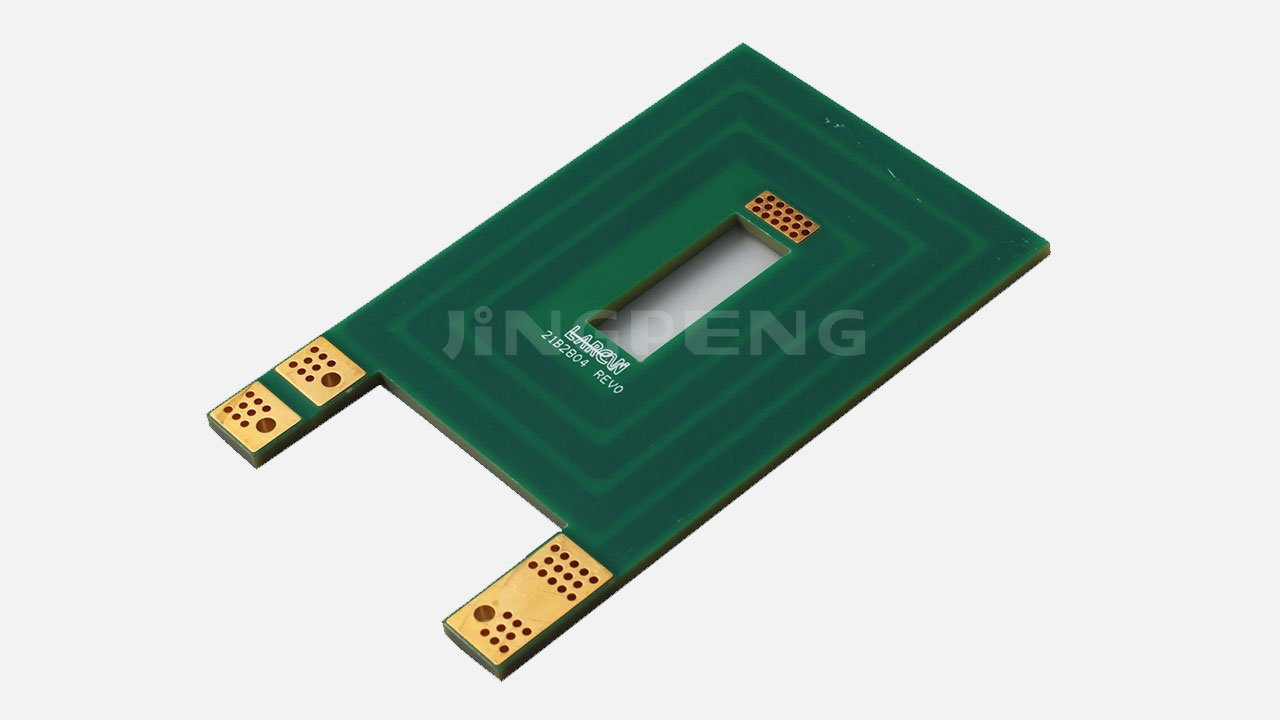
- Classify by concept and assign uniform names.
- The default assumptions differ across the various stages.
- The cross-reference table specifies the basis and functions.
- Invalid names are kept on file separately.
- Comparisons are only valid when the criteria are consistent.
- This article does not provide operating conditions.
Document and Version Control
Requirements for tasks or test documents with the same name may vary across different versions; executing them based on name rather than version will result in a loss of comparability. For standard compilation, please refer toCommon IPC Standards for Printed Circuit Boards。
It is recommended that document numbers, version numbers, effective dates, and the names of approvers be retained in the records, and that redistribution be restricted; only the currently valid version should be kept on-site, while obsolete versions should be stored separately. Applicable standards, customer specifications, and internal operating procedures belong to different levels of hierarchy; the order of precedence in the event of a conflict should be specified in advance in the contract or technical agreement. This page does not provide any hole diameters, stacking parameters, lamination conditions, or acceptance thresholds; the descriptions already present in the original text remain unchanged.

- Versions with the same name may differ.
- No., Version, Date, Approver—all recorded.
- Only the currently valid version will remain on-site.
- Standard customer component hierarchy.
- Priorities are agreed upon in advance.
- The conclusion does not change depending on who cites it.
Supplier Data Sheet and Responsibility Interface
Performance and safety information related to HDI structure and process control should be derived from controlled data provided by suppliers, rather than from verbal experience or visual impressions. For regulatory information, please refer toWhat is RoHS?。
It is recommended to document the name, version, effective date, responsible department, and approver of the documentation, and to cross-reference it with the procurement specifications and acceptance criteria; when the documentation is updated or the supplier changes, the authorized department shall assess the scope of impact and initiate a re-evaluation. This page does not provide any pore size, lamination parameters, pressing conditions, or acceptance thresholds; the descriptions already present in the original text remain unchanged.
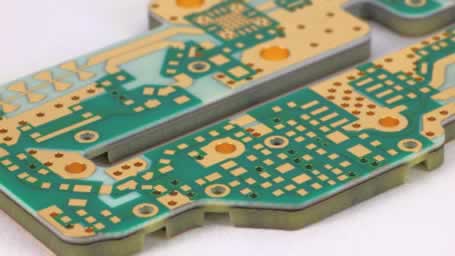
- The information is derived from controlled sources.
- Name, Version, Date, Approver—all recorded.
- Cross-reference with the procurement specifications and acceptance criteria.
- Updates to the data trigger a re-evaluation.
- The data tables and regulations shall prevail.
- This article does not specify any terms of use.
Safety, Environmental Protection, and Applicable Regulations
On-site obligations related to HDI structure and process control should be verified independently in accordance with applicable laws and local regulatory requirements; external experience cannot be applied directly. For guidance on interpreting standards, please refer toA Comprehensive Overview of Common Printed Circuit Board Standards。
It is recommended to establish a list of applicable regulations that documents the regulation name, version, effective date, responsible functions, and review milestones, and to cross-reference compliance conclusions with procurement and delivery documents. Matters such as occupational safety, waste disposal, and information disclosure shall be governed by on-site controlled documents, supplier data sheets, and local regulations, and shall be reviewed by appropriately qualified personnel before being filed. This page does not provide any pore size, lamination parameters, pressing conditions, or acceptance thresholds; the descriptions already present in the original text remain unchanged.

- The list of regulations is maintained separately.
- Specify the version date and responsibilities.
- Compliance conclusions and procurement are interrelated.
- Refer to the on-site documentation for safety precautions.
- Verify and file the records of qualified personnel.
- This article does not provide operating conditions.
Staff Authorization and Position Qualifications
Personnel who access controlled information, draw conclusions regarding HDI structure and process management, or sign off on records must have explicit authorization; for reliability specifications, please refer toPCB Reliability Design: DfR Principles and Applications。
It is recommended to maintain an authorization list that records job titles, scope of authorization, effective dates, approving authorities, and review points, with revoked authorizations clearly marked. Revoke authorizations promptly when personnel are reassigned or projects are completed. Matters involving safety and regulatory interpretation should be handled by personnel with the appropriate authority; this document does not provide any methods for qualification determination, training content, or determination thresholds. This page does not provide any pore sizes, lamination parameters, pressing conditions, or acceptance criteria; the descriptions already present in the original text remain unchanged.

- The list of authorized personnel is maintained by position.
- Scope, dates, and approval authority are recorded together.
- Revoke access privileges promptly once the job reassignment is complete.
- Separate label for revoked authorizations.
- Security explanations are provided by the authorized department.
- This article does not provide a threshold for determination.
Record Fields and the Chain of Custody
The value of records related to HDI structure and process control lies in their traceability; the fields should be included in management information, and the material overview can be used as a reference.A Guide to PCB Materials。
It is recommended to record the time of discovery, the stage at which it was discovered, the sample identification, the version of the reference document, the positions responsible for execution and review, the conclusion category, the nonconformity report number, and the disposition status, and to link these to the batch, work order, and report numbers; the disposition conclusion must be confirmed in writing by an authorized official, and the recipient’s acknowledgment must be filed. This page does not provide any aperture sizes, lamination parameters, pressing conditions, or acceptance thresholds; the descriptions already present in the original text remain unchanged.
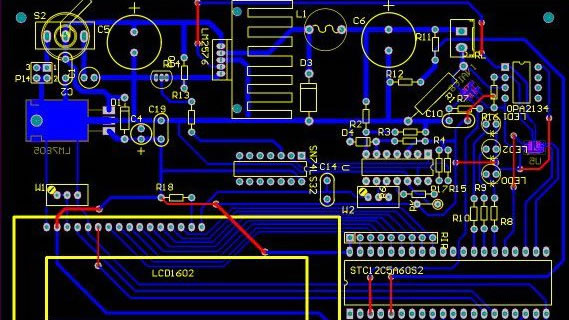
- The field is located in the traceability information.
- The date of discovery is recorded alongside the specimen.
- Retain based on version and position.
- Disposition is confirmed by the authorized function.
- The acknowledgment and the re-evaluation conclusion cross-reference each other.
- This article does not provide instructions on how to proceed.
Review Records and Conclusions Are Traceable
The value of reviews related to HDI structure and process control lies in documenting traceable conclusions, rather than merely reaching a verbal agreement on the spot.
It is recommended that review records include the topic, participating functions, version of the reference document, conclusions, outstanding items, and closure status, and that they cross-reference the glossary and record ledger. For items on which consensus has not been reached, the responsible person and the date for re-evaluation should be specified to prevent the issue from recurring in a different form in the next delivery cycle; Relevant records shall be archived by project and version, with invalid conclusions clearly marked. This page does not provide any aperture, stacking parameters, lamination conditions, or acceptance thresholds; descriptions already present in the original text remain unchanged.
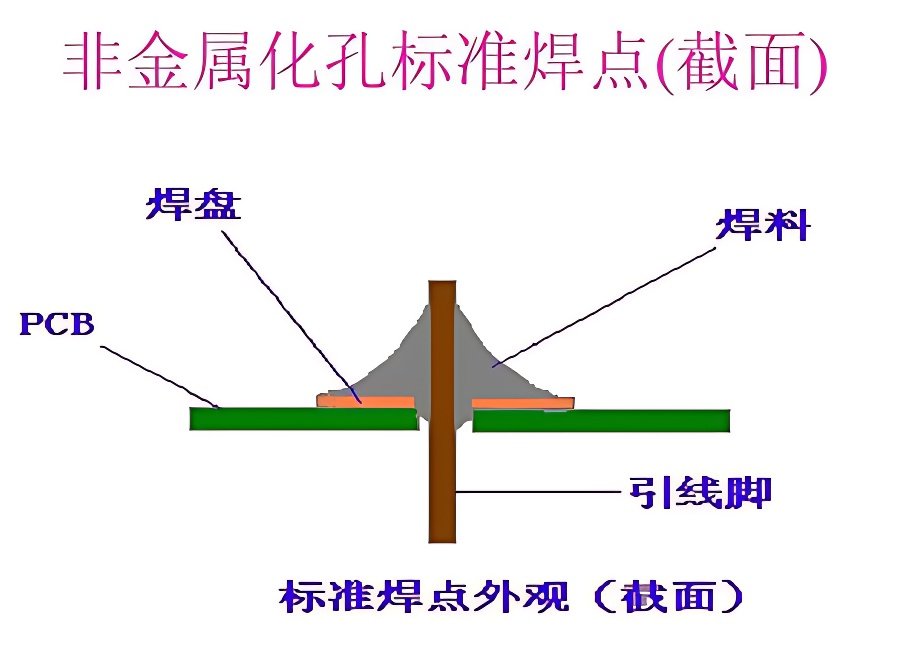
- The review results in traceable conclusions.
- The basis for the agenda items is the same.
- The conclusions and outstanding issues are listed side by side.
- Write the responsibilities and tasks for pending items.
- Several lists reference each other.
- Invalid conclusions should be marked separately.
Outsourcing Agreement with Suppliers
Clearly define the boundaries of responsibility among external partners, suppliers, and internal functions regarding HDI structure and process governance to avoid gaps where no one is responsible for verification. Management guidelines can be referenced as follows:Management Guidelines for 5G PCBs。
It is recommended that the agreement specify the scope of delivery, compliance documentation accompanying the goods, procedures for reporting deviations, prohibited actions, and principles for handling breaches of contract, and require the other party to provide written notice of any changes to document versions. Any delivery beyond the agreed scope may only be accepted after written confirmation by the authorized department; documents of unknown origin shall not be included in the controlled document system nor used as the basis for acceptance. This page does not provide any aperture sizes, stacking parameters, lamination conditions, or acceptance thresholds; the descriptions already present in the original text remain unchanged.
- The scope of responsibility is specified in the agreement.
- The scope of delivery and compliance documentation are clearly defined.
- Any deviation from the standard notification method must be agreed upon.
- Any changes to the information must be notified in writing.
- Deliveries made beyond one's authority require authorization and confirmation.
- Items of unknown origin are not accepted for control.
Exceptions and Exemptions from Approval
When on-site conditions are limited, there are always exceptions to the established rules regarding HDI structures and process control; the key is to turn those exceptions into verifiable, written conclusions.
It is recommended to establish an exemption record that covers the reason for the request, scope of application, scope of impact, basis for substitution, approval authority, and re-evaluation milestones, and that cross-references the review record. An exemption does not constitute permanent approval; when subsequent versions of documentation, suppliers, or supporting documents change, a reassessment should be conducted to determine whether the historical conclusion remains applicable. This page does not provide any pore size, lamination parameters, pressing conditions, or acceptance thresholds; the descriptions already present in the original text remain unchanged.

- Exceptions due to time constraints are inevitable.
- Exceptions must be documented in writing.
- Record the reason, scope, and basis.
- The approval functions and re-evaluation milestones are specified.
- Cross-references to the review records.
- Do not provide a value for the alternative condition.
Changes to Trigger Conditions and the Scope of Re-evaluation
Any change in data version, supplier, applicable regulations, or supporting documentation should trigger a targeted re-evaluation of conclusions related to HDI structure and process governance.
The value of a re-evaluation lies in confirming whether historical conclusions remain valid, rather than redoing the entire record from scratch. It is recommended to document changes, the scope of impact, re-evaluation conclusions, and conditions for restoration, and to cross-reference these with the original evaluation records and non-conformance reports; for cross-departmental projects, the authorized department should uniformly determine the depth of the re-evaluation to avoid having two sets of criteria coexisting for the same project. This page does not provide any pore sizes, stacking parameters, lamination conditions, or pass/fail thresholds; the descriptions already present in the original text remain unchanged.

- Any change will trigger a reassessment.
- Determine whether historical conclusions are applicable.
- The scope of impact and conclusions remain the same.
- Clearly state the conditions for restoration.
- Cross-references with the exception record.
- Avoid having two sets of criteria operating in parallel.
Comparison of Governance Dimensions
Comparing the HDI structure with the focus areas, sources of information, and record-keeping methods used in process governance helps quickly identify gaps in policies or records that need to be addressed during an audit. The table below is for qualitative classification only and does not replace the conclusions of an audit or approval.
The table does not provide any formulations, temperatures, times, pressures, quantities, or acceptance criteria. Actual conclusions must be jointly confirmed based on the supplier’s data sheets, on-site operating procedures, applicable standards, contracts, and local regulations, and must be reviewed by personnel with the appropriate qualifications before being filed. The purpose of the table is to ensure that no management items are overlooked; it is not intended to replace any round of actual review or validation. This page does not provide any pore sizes, lamination parameters, pressing conditions, or acceptance thresholds; the descriptions already present in the original text remain unchanged.
| Subject of Focus | Source | Recording Medium |
|---|---|---|
| Terminology and Versions | Standards and Documents | Cross-Reference Table and Version Log |
| Resources and Regulations | Data Tables and Lists | Source Ledger and List of Regulations |
| Authorization and Record-Keeping | Positions and Reporting | List of Authorizations and Record-Keeping Ledger |
| Review and Changes | Review and Approval | Review Records and Re-evaluation Conclusions |

- The form is used for the initial screening review.
- It is merely a qualitative classification.
- This is not a substitute for actual verification.
- No values are provided.
- The documents and regulations shall prevail.
- The review findings must be filed.
Client Review and Delivery Checklist
It is recommended to verify, item by item, the definitions, reference versions, supplier information, regulatory lists, personnel authorizations, record-keeping ledgers, review records, outsourcing responsibilities, exemption approvals, and re-evaluation conclusions related to HDI structure and process control. For soldering standards, please refer toPCBA Soldering Standards。
The checklist should retain the verification conclusions and descriptions of discrepancies for each round as a basis for revising the procedures. This approach advances management from “filling in records only when asked” to a system characterized by “clear guidelines, well-defined responsibilities, and traceable processes,” and also enables the rapid identification of specific steps during client audits or internal traceability reviews. For cross-departmental projects, it is recommended that a single checklist be used as a delivery baseline shared by all three parties, with the effective version clearly indicated. This page does not provide any aperture, stacking parameters, lamination conditions, or acceptance thresholds; all descriptions already present in the original text remain unchanged.
- Go over the specifications and documentation item by item.
- Ensure that all statutory authorizations and records are thoroughly reviewed.
- Review the exemption from outsourcing in conjunction with the verification.
- The conclusions of the re-evaluation must be consistent.
- Description of the discrepancy write-back system.
- The three parties share a single baseline.
Frequently Asked Questions on HDI Structure and Process Governance Compliance Management
1. Why is it important to standardize the terminology first?
Because the same term often carries different underlying assumptions in the design, procurement, production, and inspection phases, failure to align these assumptions in advance can easily lead to conclusions that are correct from each party’s perspective but mutually contradictory. It is recommended to establish a glossary of terms, specifying the scope of application, the version of the reference document, and the responsible party for verification, while retaining obsolete terms in a separate archive. This page does not provide any aperture sizes, lamination parameters, pressing conditions, or acceptance thresholds; descriptions already present in the original text remain unchanged.
2. Why should data and information be based on controlled versions?
Since requirements for documents with the same name may vary across different versions, referencing them by name alone may compromise comparability. It is recommended to record the document number, version number, effective date, and approver, and to archive superseded versions separately; the order of precedence for applicable standards, customer specifications, and internal documents should be specified in advance in the contract.
3. How should safety and environmental protection obligations be incorporated into documents?
It is recommended to establish a list of applicable regulations, documenting the names, versions, effective dates, responsible functions, and review milestones, and to cross-reference compliance conclusions with procurement and delivery documents; occupational protection and waste disposal shall be governed by on-site controlled documents, supplier data sheets, and local regulations. This page does not provide any pore sizes, lamination parameters, pressing conditions, or pass/fail thresholds; the descriptions already present in the original text remain unchanged.
4. What information should the list of authorized personnel include?
It is recommended to specify the positions covered, the scope of authorization, the effective date, the approval functions, and the review points, and to clearly identify revoked authorizations. Revoke permissions promptly when personnel are reassigned or a project ends. Matters involving security and regulatory interpretation should be handled by personnel with the appropriate authority; this page does not provide any methods for qualification determination or decision-making thresholds.
5. What fields should the ledger include?
This should include the time of discovery, the stage at which it was discovered, the sample identification, the version of the reference document, the positions responsible for execution and review, the conclusion category, the nonconformance report number, and the disposition status, and should be linked to the batch, work order, and report numbers. The fields should focus on traceability information rather than recording any reusable conditions. This page does not provide any aperture sizes, lamination parameters, pressing conditions, or acceptance thresholds; the descriptions already present in the original text remain unchanged.
6. Under what circumstances should a re-evaluation be initiated?
Any change to the version of the documentation, the supplier, the applicable regulations, or the supporting documents should trigger a targeted re-evaluation to confirm whether the previous conclusions remain valid. It is recommended to document the changes, their scope of impact, the re-evaluation conclusions, and the conditions for reinstatement to avoid having two sets of supporting documentation coexisting for the same project.
7. Why should the scope of responsibility for outsourced work be included in the agreement?
Since verbal agreements cannot be traced back after a version update or personnel changes, it is recommended to clearly specify the scope of delivery, the compliance documentation accompanying the shipment, the procedures for reporting deviations, and prohibited actions, and to require the other party to provide written notification of any changes to document versions. Documents of unknown origin should not be included in the controlled document system.
8. What should be included in the delivery checklist prior to client review?
Recommendations should include terminology definitions, applicable versions, supplier information, a list of regulations, personnel authorizations, record-keeping logs, review records, outsourcing responsibilities, exemptions from approval, and re-evaluation conclusions. For each round, retain the verification conclusions and descriptions of discrepancies, and update the management system accordingly. This page does not provide any pore size, lamination parameters, pressing conditions, or acceptance thresholds; the descriptions already present in the original text remain unchanged.
Additional Information:Characteristics of Multilayer Printed Circuit Boards and How They Differ from Double-Sided Boards · The Difference Between Double-Sided and Single-Sided Boards