Chemical nickel-gold plating is a versatile wet process that combines solderability, electrical conductivity, wire bonding capability, and heat dissipation in a single process. It is widely used in the manufacture of PCBs (Printed Circuit Boards) and provides critical support for the performance and reliability of electronic products. However, despite the importance of the chemical nickel-gold plating process, various quality issues often arise in practical applications. This article will explore common issues with the chemical nickel-gold plating process and their corresponding solutions.
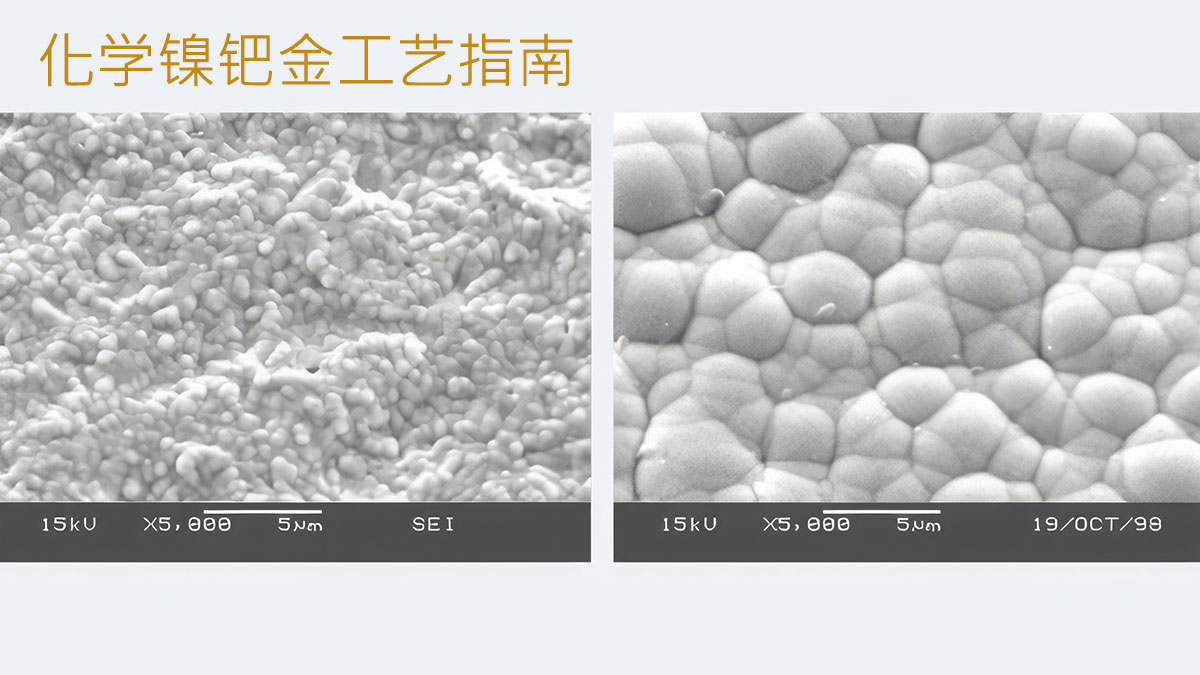
Table of Contents
- Color Difference Issues
- Analysis of the Causes
- Solution
- Rough coating
- Analysis of the Causes
- Solution
- Exposed Copper
- Analysis of the Causes
- Solution
- Golden Peel
- Analysis of the Causes
- Solution
- Poor adhesion between nickel and copper
- Analysis of the Causes
- Solution
- Reaction Mechanisms of Chemical Gold and Chemical Nickel
- Transformation into Goldthe process
- The Nickel Electrolysis Process
- Control and Management of the Chemical Nickel-Gold Plating Process
- Preprocessing
- Chemical Nickel Plating Tank Management
- Chemical Bath Management
- Post-processing
Color Difference Issues
Analysis of the Causes
- The nickel tank is contaminated or has reached the end of its service life, and there is an excessive buildup of organic matter in the tank solution.
- There are too many nickel ions in the gold bath.
- The palladium concentration in the activation tank is insufficient.
Solution
- Replace the nickel tank to eliminate the source of contamination.
- Analyze the nickel content in the gold bath; if it exceeds 0.5 g/L, replace the bath solution promptly.
- Slightly increase the palladium concentration.
Rough coating
Analysis of the Causes
- The nickel bath is too reactive.
- The filtering is insufficient, and the amplitude of the board's vibration frequency is too low.
- Inadequate pretreatment.
Solution
- Slightly lower the temperature, concentration, and pH.
- Enhance filtration; it is best to use a 5-micron filter cartridge for edge filtration. At the same time, increase the vibration frequency and amplitude of the plate to remove hydrogen from its surface.
- Strengthen pretreatment and check whether the copper surface is rough to prevent the receipt of defective materials.
Exposed Copper
Analysis of the Causes
- There is a foreign object on the back.
- Incomplete development of the wet film and incomplete rinsing.
- Insufficient adhesion of the palladium.
- The rinsing time after activation is too long.
- Imbalance in the management of the nickel tank solution.
Solution
- Increase scrubbing and tracking the source of foreign objects.
- Review and improve the wet film process.
- Control the concentration of Cu²⁺ in the degreasing tank (less than 7 g/L).
- Shorten the rinse time (15 seconds).
- Add chemicals strictly according to the specified proportions, and adjust based on the test results.
Golden Peel
Analysis of the Causes
- The phosphorus content in the nickel layer is too high.
- Passivation of the nickel layer.
Solution
- Use the AA method to analyze phosphorus content, and appropriately reduce the amount of reducing agent added; if that does not work, replace the bath solution.
- Avoid exposing the nickel coating to air for too long.
Poor adhesion between nickel and copper (nickel/copper delamination)
Analysis of the Causes
- The copper surface is dirty.
- Preprocessing failed.
Solution
- Strengthen pretreatment.
- Analyze the Cu+ concentration in the solutions in each tank prior to processing; if the concentration exceeds the limit, replace the solution.
Reaction Mechanisms of Chemical Gold and Chemical Nickel
The Process of Transmutation
When the nickel layer on the PCB surface is placed in the gold plating bath, the nickel layer is attacked by the bath solution, causing nickel ions to dissolve. These dissolved nickel ions are captured by gold cyanide ions, which then deposit a layer of gold onto the nickel surface.
Reaction Mechanism:
- Ni → Ni²⁺ + 2e
- Au(CN)2- + e → Au + 2CN-
The dissolution of one nickel atom can lead to the deposition of two gold atoms. The gold layer contains many open pores, so even though the surface is covered by a layer of gold, the open pores on the nickel surface continue to dissolve, causing the gold layer to continue depositing—albeit at a gradually slower rate.
The Nickel Electrolysis Process
Nickel salts: The main component is nickel sulfate, though it also contains nickel chloride and nickel acetate. Reducing agent: Sodium dihydrogen phosphite (NaH₂PO₂).
Reaction Mechanism:
- The hypophosphite ion in sodium dihydrogen hypophosphite is hydrolyzed and oxidized to form a phosphate ion, while simultaneously releasing two active hydrogen atoms that are adsorbed onto the copper-backed palladium surface.
- Nickel ions are rapidly reduced on the activated palladium surface and deposited as metallic nickel.
- Under the action of catalytic hydrogen, a portion of the hypophosphite ions release phosphorus atoms, which are deposited in the nickel layer.
- Under catalytic conditions, some hypophosphite ions will oxidize on their own and generate hydrogen gas, which is released from the nickel surface.
Control of Each Process Step in Chemical Nickel-Gold Plating
Preprocessing
- Brushing and Polishing: Gently brush the board surface with a high-mesh nylon brush (1,000–1,200 mesh) to remove dirt and oxides. After brushing, be sure to wear clean gloves when handling the board to prevent spots from appearing on the surface during subsequent processes.
- Defatting: To remove oils and organic matter, only nonionic surfactants should be used, as they provide only a wetting effect. Avoid using surfactants that are too strong, to prevent static electricity from building up on the surface of the solder mask or the substrate, which could lead to nickel leaching and bath contamination.
- Micro-etching: Typically, micro-etching the copper to a depth of 30–40 μm is sufficient. If small spots of exposed copper appear, this may be due to incomplete development in the wet film process or insufficient rinsing after development. In such cases, the micro-etching time can be appropriately extended to resolve the issue.
- Pickling: Used to remove copper salts produced by micro-etching.
- Pre-activation: When using palladium chloride as an activator, it can be pre-activated with hydrochloric acid to remove contaminants from the previous bath and protect the activation tank.
- Activation: Use ionic palladium chloride (or other precious metals such as palladium sulfate or ruthenium sulfate) as an activator; the concentration should ideally be maintained between 30 ppm and 60 ppm.
Chemical Nickel Plating Tank Management
Composition and Control of Tank Solution
The formulation of the plating bath is generally a supplier’s trade secret; its main components include nickel salts, reducing agents, and various organic additives. Control measures involve the following parameters:
- pH: It is generally between 4.6 and 5.2. You can adjust it using citric acid or ammonium hydroxide, but be sure to add them slowly and in small increments.
- Temperature: Above 80°C to ensure the reaction in the bath proceeds smoothly.
- Phosphorus content: Typically, the range is 6–81 TP3T; if the content is too low, it will affect corrosion resistance and solderability, while if it is too high, it will affect the quality of the nickel layer.
- Ni²⁺ content: Typically, it ranges from 4.6 to 5.2 g; if the concentration is too low, it will affect the deposition rate, and if it is too high, it will cause the bath solution to become unstable.
- Additives: These include complexing agents, accelerators, and stabilizers. It is important to periodically raise the temperature and perform a test plating to maintain the quality and activity of the bath solution.
Chemical Bath Management
Composition and Control of Tank Solution
The main component of the gold leach tank is potassium auricyanide, with a gold content of approximately 63.81 TP3T. Key control points include:
- pH: Remain between 5.1 and 6.1.
- Reaction Mechanism: Gold deposition occurs through an electroplating reaction. In the early stages of the reaction, the deposition rate is relatively fast; as time progresses, the gold layer can continue to deposit only through sparing dissolution.
Post-processing
After completing the chemical nickel-gold plating process, the PCB must be cleaned as soon as possible, preferably with hot water, to ensure that no moisture remains. In addition, gold-plated PCBs should not be stored in an acidic environment to prevent oxidation of the gold layer. It is best to separate them with paper pads to maintain the integrity of the gold surface.
Quality Risks in Upstream Processes Affecting the Chemical Nickel-Gold Plating Process
The chemical nickel-gold plating process itself may not have any major issues, but it is often affected by the quality of upstream processes, particularly solder mask whitening and copper exposure in the form of "star spots." These issues typically stem from quality defects in the wet film process.
- Self-Flux Welding: The quality of the solder mask ink is a determining factor, but as long as the process parameters are properly controlled, the severity of the issue can be minimized. Choosing the right ink is crucial.
- Speckles of Raw Copper: This is a problematic issue, primarily caused by the wet film development process, as well as the rinsing and drying steps that follow. To address this issue, we need to start by improving the wet film process.
Concluding Remarks
Quality control in the chemical nickel-gold plating process is a challenging task, especially since potential quality issues often do not become apparent until after the product is put into production at the customer’s site. However, as long as standard operating procedures are strictly followed, the likelihood of problems occurring is significantly reduced. By sharing his experience, the author hopes to receive guidance and assistance from peers in the industry.
In the chemical nickel-gold plating process, it is crucial to carefully control each step and parameter. Only by ensuring the quality and stability of every stage can a high-quality nickel-gold plating layer be achieved, one that offers multifunctional characteristics such as weldability, electrical conductivity, wire bonding capability, and heat dissipation—making it the preferred process for PCB surface treatment.
Coating Quality and Data Management Terminology Standards
Classifying and standardizing terms related to coating quality and materials management by concept is more conducive to aligning reviews than continuing to use customary terminology; please refer to the standard for guidance.EMI Design Specifications and Control Principles。
The same term often carries different default assumptions across the design, procurement, production, and inspection phases; without prior alignment, it is easy for all parties to arrive at conclusions that are correct in their own right but mutually contradictory. It is recommended to establish a glossary of terms, specifying the scope of application, the version of the reference document, and the responsible party for verification, while retaining obsolete terms in a separate archive. This page does not provide any tank solution formulations, plating thicknesses, temperatures, times, or acceptance criteria; all descriptions already present in the original text remain unchanged.

- Classify by concept and assign uniform names.
- The default assumptions differ across the various stages.
- The cross-reference table specifies the basis and functions.
- Invalid names are kept on file separately.
- Comparisons are only valid when the criteria are consistent.
- This article does not provide operating conditions.
Document and Version Control
Requirements for tasks or test documents with the same name may vary across different versions; executing them based on name rather than version will result in a loss of comparability. For standard compilation, please refer toCommon IPC Standards for Printed Circuit Boards。
It is recommended that document numbers, version numbers, effective dates, and the name of the approver be retained in the records, and that redistribution permissions be restricted; only the currently valid version should be kept on-site, while obsolete versions should be stored separately. Applicable standards, customer specifications, and internal operating procedures belong to different levels of hierarchy; the order of precedence in the event of a conflict should be specified in advance in the contract or technical agreement. This page does not provide any tank solution formulations, coating thicknesses, temperatures, times, or acceptance criteria; the descriptions already present in the original text remain unchanged.

- Versions with the same name may differ.
- No., Version, Date, Approver—all recorded.
- Only the currently valid version will remain on-site.
- Standard customer component hierarchy.
- Priorities are agreed upon in advance.
- The conclusion does not change depending on who cites it.
Supplier Data Sheet and Responsibility Interface
Performance and safety information related to coating quality and material management should be derived from controlled data provided by suppliers, rather than from verbal accounts of experience or visual impressions. For regulatory guidance, please refer toWhat is RoHS?。
It is recommended to document the name, version, effective date, responsible department, and approver of the documentation, and to cross-reference it with the procurement specifications and acceptance criteria; when the documentation is updated or the supplier changes, the authorized department shall assess the scope of impact and initiate a re-evaluation. This page does not provide any tank solution formulations, coating thicknesses, temperatures, times, or acceptance criteria; all descriptions already present in the original text remain unchanged.
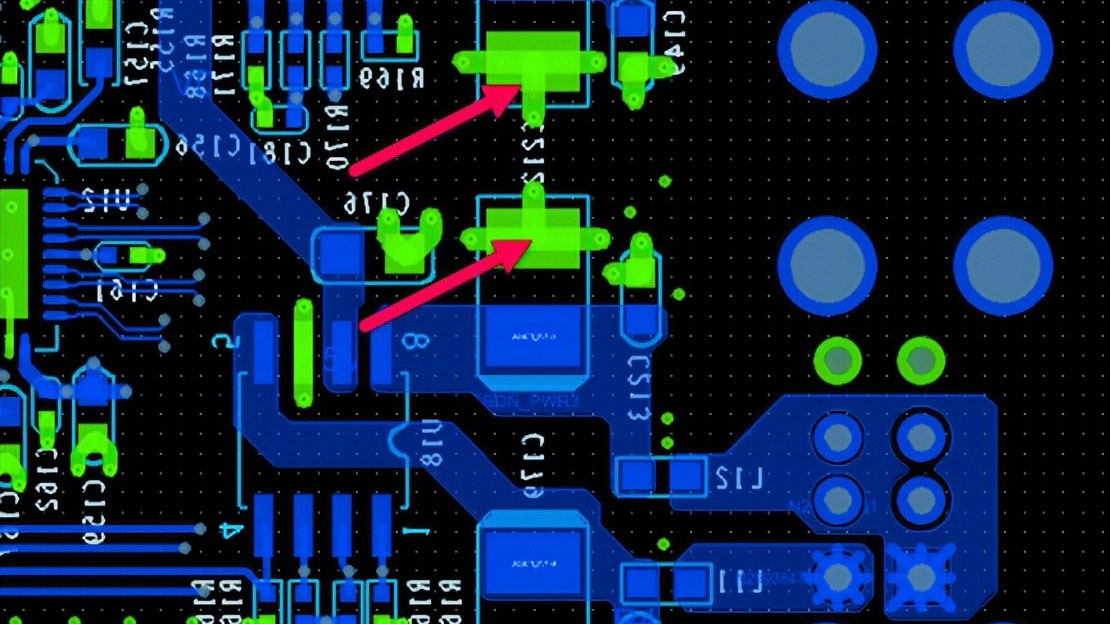
- The information is derived from controlled sources.
- Name, Version, Date, Approver—all recorded.
- Cross-reference with the procurement specifications and acceptance criteria.
- Updates to the data trigger a re-evaluation.
- The data tables and regulations shall prevail.
- This article does not specify any terms of use.
Safety, Environmental Protection, and Applicable Regulations
On-site responsibilities related to coating quality and material management should be verified independently in accordance with applicable regulations and local regulatory requirements; external experience cannot be applied directly. For guidance on interpreting standards, please refer toA Comprehensive Overview of Common Printed Circuit Board Standards。
It is recommended to establish a list of applicable regulations that records the regulation name, version, effective date, responsible functions, and review milestones, and to cross-reference compliance conclusions with procurement and delivery documents. Matters such as occupational safety, waste disposal, and information disclosure shall be governed by on-site controlled documents, supplier data sheets, and local regulations, and shall be reviewed by appropriately qualified personnel before being filed. This page does not provide any tank solution formulations, plating thicknesses, temperatures, times, or acceptance criteria; all descriptions already present in the original text remain unchanged.
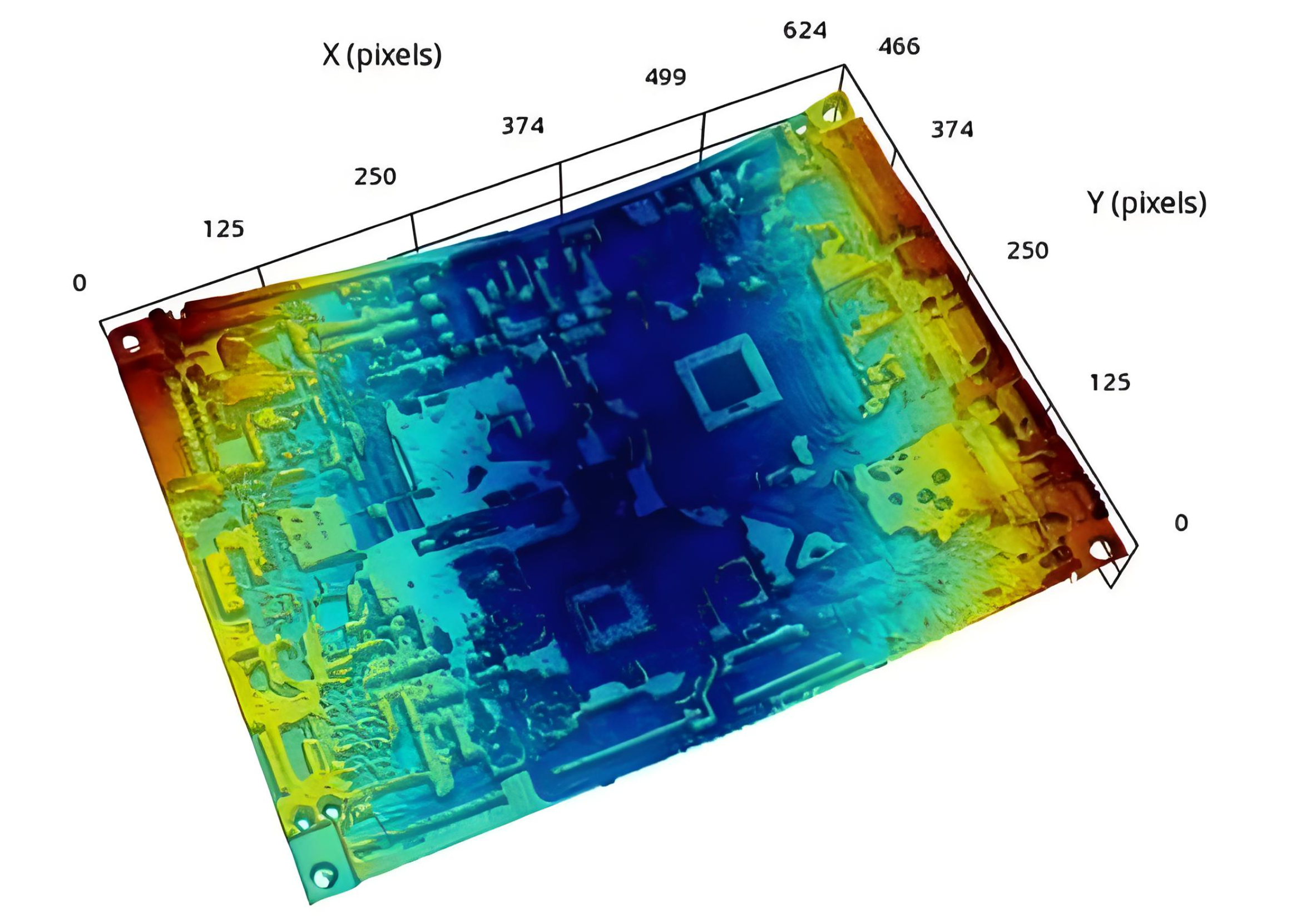
- The list of regulations is maintained separately.
- Specify the version date and responsibilities.
- Compliance conclusions and procurement are interrelated.
- Refer to the on-site documentation for safety precautions.
- Verify and file the records of qualified personnel.
- This article does not provide operating conditions.
Staff Authorization and Position Qualifications
Personnel who access controlled data, draw conclusions regarding coating quality and data management, or approve records must have explicit authorization; for a description of reliability, please refer toPCB Reliability Design: DfR Principles and Applications。
It is recommended to maintain an authorization list that records job titles, scope of authorization, effective dates, approving authorities, and review points, with revoked authorizations clearly marked. Revoke permissions promptly when personnel are reassigned or a project ends. Matters involving safety and regulatory interpretation should be handled by personnel with the appropriate authority; this document does not provide any methods for qualification determination, training content, or assessment thresholds. This page does not provide any tank solution formulations, coating thicknesses, temperatures, times, or acceptance criteria; all descriptions already present in the original text remain unchanged.

- The list of authorized personnel is maintained by position.
- Scope, dates, and approval authority are recorded together.
- Revoke access privileges promptly once the job reassignment is complete.
- Separate label for revoked authorizations.
- Security explanations are provided by the authorized department.
- This article does not provide a threshold for determination.
Record Fields and the Chain of Custody
The value of records related to coating quality and material management lies in traceability; the relevant fields should be included in management reports, and reference can be made to the material information guide.A Guide to PCB Materials。
It is recommended to record the time of discovery, the stage at which it was discovered, the sample identification, the version of the reference document, the positions responsible for execution and review, the conclusion category, the nonconformance report number, and the disposition status, and to link these to the batch, work order, and report numbers; the disposition conclusion must be confirmed in writing by an authorized official, and the recipient’s acknowledgment must be filed. This page does not provide any tank solution formulations, coating thicknesses, temperatures, times, or acceptance criteria; all descriptions already present in the original text remain unchanged.
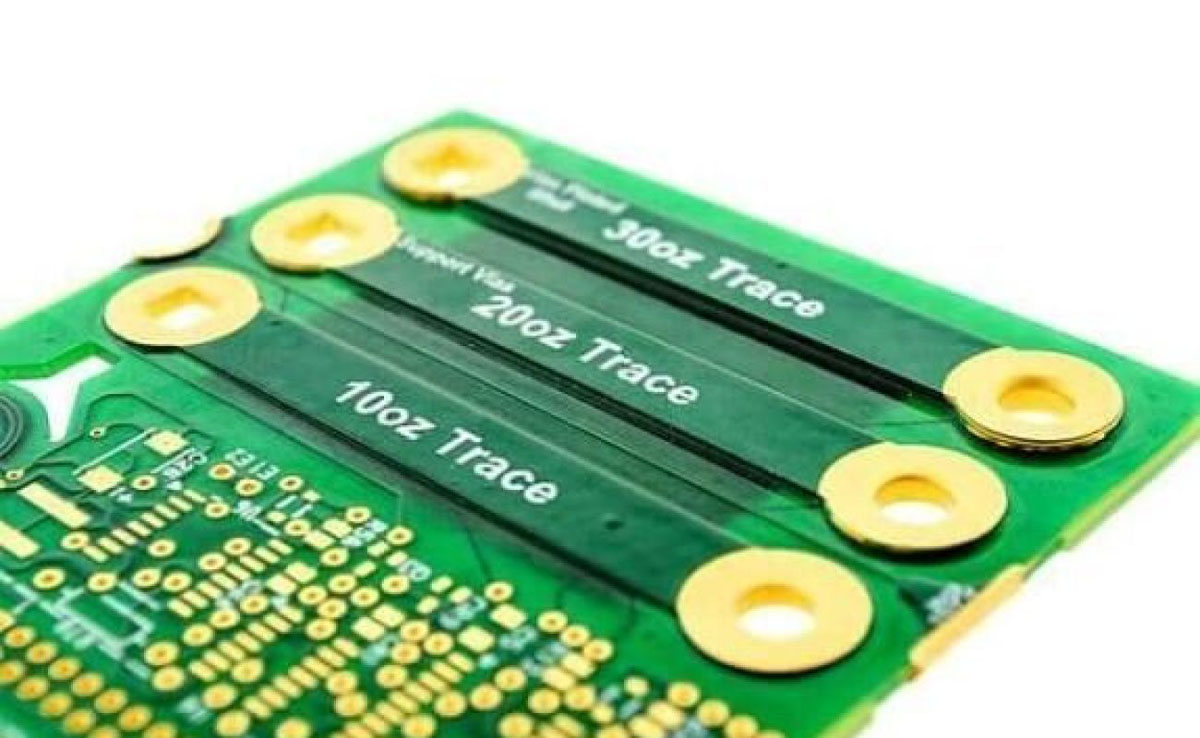
- The field is located in the traceability information.
- The date of discovery is recorded alongside the specimen.
- Retain based on version and position.
- Disposition is confirmed by the authorized function.
- The acknowledgment and the re-evaluation conclusion cross-reference each other.
- This article does not provide instructions on how to proceed.
Review Records and Conclusions Are Traceable
The value of reviews related to coating quality and material management lies in documenting traceable conclusions, rather than merely reaching a verbal agreement on the spot.
It is recommended that review records include the topic, participating functions, the version of the reference document, conclusions, outstanding items, and closure status, and that they cross-reference the glossary and record ledger. For items on which consensus has not been reached, the responsible person and the date for re-evaluation should be specified to prevent the issue from recurring in a different form in the next delivery cycle; Relevant records shall be archived by project and version, with invalid conclusions clearly marked. This page does not provide any bath formulations, coating thicknesses, temperatures, times, or acceptance criteria; all descriptions already present in the original text remain unchanged.

- The review results in traceable conclusions.
- The basis for the agenda items is the same.
- The conclusions and outstanding issues are listed side by side.
- Write the responsibilities and tasks for pending items.
- Several lists reference each other.
- Invalid conclusions should be marked separately.
Outsourcing Agreement with Suppliers
Clearly define the boundaries of responsibility between external contractors, suppliers, and internal functions regarding coating quality and material management to avoid gaps where no one is responsible for verification. Management guidelines can be referenced as follows:Management Guidelines for 5G PCBs。
It is recommended that the agreement specify the scope of delivery, compliance documentation accompanying the goods, procedures for reporting deviations, prohibited actions, and principles for handling breaches of contract, and require the other party to provide written notice of any changes to document versions. Any delivery beyond the agreed scope may only be accepted after written confirmation by the authorized department; documents of unknown origin shall not be included in the controlled document system nor used as the basis for acceptance. This page does not provide any tank solution formulations, plating thicknesses, temperatures, times, or acceptance criteria; all descriptions already present in the original text remain unchanged.
- The scope of responsibility is specified in the agreement.
- The scope of delivery and compliance documentation are clearly defined.
- Any deviation from the standard notification method must be agreed upon.
- Any changes to the information must be notified in writing.
- Deliveries made beyond one's authority require authorization and confirmation.
- Items of unknown origin are not accepted for control.
Exceptions and Exemptions from Approval
When on-site conditions are limited, there are always exceptions to the established rules regarding coating quality and material management; the key is to turn those exceptions into verifiable, written conclusions.
It is recommended to establish an exemption record that covers the reason for the request, scope of application, scope of impact, basis for substitution, approval authority, and re-evaluation milestones, and that cross-references the review record. An exemption does not constitute permanent approval; when subsequent versions of documentation, suppliers, or supporting documents change, a reassessment should be conducted to determine whether the historical conclusion remains applicable. This page does not provide any tank solution formulations, coating thicknesses, temperatures, times, or acceptance criteria; the descriptions already present in the original text remain unchanged.

- Exceptions due to time constraints are inevitable.
- Exceptions must be documented in writing.
- Record the reason, scope, and basis.
- The approval functions and re-evaluation milestones are specified.
- Cross-references to the review records.
- Do not provide a value for the alternative condition.
Changes to Trigger Conditions and the Scope of Re-evaluation
Any change in the material version, supplier, applicable regulations, or supporting documentation should trigger a targeted reassessment of conclusions related to coating quality and material management.
The value of a re-evaluation lies in confirming whether historical conclusions remain valid, rather than redoing the entire record from scratch. It is recommended to document changes, their scope of impact, re-evaluation conclusions, and conditions for restoration, and to cross-reference these with the original evaluation records and nonconformance reports. For cross-departmental projects, the authorized department should uniformly determine the depth of the re-evaluation to avoid having two sets of criteria coexisting for the same project. This page does not provide any tank solution formulations, coating thicknesses, temperatures, times, or acceptance criteria; the descriptions already present in the original text remain unchanged.
- Any change will trigger a reassessment.
- Determine whether historical conclusions are applicable.
- The scope of impact and conclusions remain the same.
- Clearly state the conditions for restoration.
- Cross-references with the exception record.
- Avoid having two sets of criteria operating in parallel.
Comparison of Governance Dimensions
Comparing coating quality with the focus areas, sources of information, and record-keeping methods used in materials management helps quickly identify gaps in policies or records that need to be addressed during an audit. The table below provides only a qualitative classification and does not replace the conclusions of an audit or approval process.
The table does not provide any formulations, temperatures, times, pressures, quantities, or acceptance criteria. Actual conclusions must be jointly confirmed based on the supplier’s data sheets, on-site operating procedures, applicable standards, contracts, and local regulations, and must be reviewed by personnel with the appropriate qualifications before being filed. The purpose of the table is to ensure that no management items are overlooked; it is not intended to replace any round of actual review or validation. This page does not provide any bath formulations, coating thicknesses, temperatures, times, or acceptance criteria; the descriptions already present in the original text remain unchanged.
| Subject of Focus | Source | Recording Medium |
|---|---|---|
| Terminology and Versions | Standards and Documents | Cross-Reference Table and Version Log |
| Resources and Regulations | Data Tables and Lists | Source Ledger and List of Regulations |
| Authorization and Record-Keeping | Positions and Reporting | List of Authorizations and Record-Keeping Ledger |
| Review and Changes | Review and Approval | Review Records and Re-evaluation Conclusions |

- The form is used for the initial screening review.
- It is merely a qualitative classification.
- This is not a substitute for actual verification.
- No values are provided.
- The documents and regulations shall prevail.
- The review findings must be filed.
Client Review and Delivery Checklist
It is recommended to verify, item by item, the definitions of terms related to coating quality and data management, the applicable versions of reference documents, supplier documentation, lists of regulations, personnel authorizations, record-keeping ledgers, review records, responsibilities for outsourced work, exemption approvals, and re-evaluation conclusions. For welding standards, please refer toPCBA Soldering Standards。
The checklist should retain the verification conclusions and descriptions of discrepancies for each round as a basis for revising the procedures. This approach advances management from “filling in records only when asked” to a system with “clear guidelines, defined responsibilities, and traceable processes,” and also enables the rapid identification of specific steps during client audits or internal traceability reviews. For cross-departmental projects, it is recommended that a single checklist be used as a delivery baseline shared by all three parties, with the effective version clearly indicated. This page does not provide any bath formulations, coating thicknesses, temperatures, times, or acceptance criteria; all descriptions from the original text remain unchanged.

- Go over the specifications and documentation item by item.
- Ensure that all statutory authorizations and records are thoroughly reviewed.
- Review the exemption from outsourcing in conjunction with the verification.
- The conclusions of the re-evaluation must be consistent.
- Description of the discrepancy write-back system.
- The three parties share a single baseline.
Frequently Asked Questions on Coating Quality and Compliance with Material Management Regulations
1. Why is it important to standardize the terminology first?
Because the same term often carries different underlying assumptions in the design, procurement, production, and inspection phases, failure to align these assumptions in advance can easily lead to conclusions that are correct from each party’s perspective but mutually contradictory. It is recommended to establish a terminology cross-reference table that specifies the scope of application, the version of the reference document, and the approving authority; obsolete terms should be archived separately. This page does not provide any bath formulations, coating thicknesses, temperatures, times, or acceptance criteria; all descriptions already present in the original text remain unchanged.
2. Why should data and information be based on controlled versions?
Since requirements for documents with the same name may vary across different versions, referencing them by name alone may compromise comparability. It is recommended to record the document number, version number, effective date, and approver, and to archive superseded versions separately; the order of precedence for applicable standards, customer specifications, and internal documents should be specified in advance in the contract.
3. How should safety and environmental protection obligations be incorporated into documents?
It is recommended to establish a list of applicable regulations, documenting the names, versions, effective dates, responsible functions, and review milestones, and to cross-reference compliance conclusions with procurement and delivery documents; occupational protection and waste disposal shall be governed by on-site controlled documents, supplier data sheets, and local regulations. This page does not provide any tank solution formulations, plating thicknesses, temperatures, times, or acceptance criteria; all descriptions from the original text remain unchanged.
4. What information should the list of authorized personnel include?
It is recommended to specify the positions covered, the scope of authorization, the effective date, the approval functions, and the review points, and to clearly identify revoked authorizations. Revoke permissions promptly when personnel are reassigned or a project ends. Matters involving security and regulatory interpretation should be handled by personnel with the appropriate authority; this page does not provide any methods for qualification determination or decision-making thresholds.
5. What fields should the ledger include?
This should include the time of discovery, the stage at which it was discovered, the sample identification, the version of the reference document, the positions responsible for execution and review, the conclusion category, the nonconformance report number, and the disposition status, and should be linked to the batch, work order, and report numbers. The fields should focus on traceable information rather than recording any reusable conditions. This page does not provide any tank solution formulations, coating thicknesses, temperatures, times, or acceptance criteria; the descriptions already present in the original text remain unchanged.
6. Under what circumstances should a re-evaluation be initiated?
Any change to the version of the documentation, the supplier, the applicable regulations, or the supporting documents should trigger a targeted re-evaluation to confirm whether the previous conclusions remain valid. It is recommended to document the changes, their scope of impact, the re-evaluation conclusions, and the conditions for reinstatement to avoid having two sets of supporting documentation coexisting for the same project.
7. Why should the scope of responsibility for outsourced work be included in the agreement?
Since verbal agreements cannot be traced back after a version update or personnel changes, it is recommended to clearly specify the scope of delivery, the compliance documentation accompanying the shipment, the procedures for reporting deviations, and prohibited actions, and to require the other party to provide written notification of any changes to document versions. Documents of unknown origin should not be included in the controlled document system.
8. What should be included in the delivery checklist prior to client review?
Recommendations should include terminology definitions, applicable versions, supplier information, a list of regulations, personnel authorizations, record-keeping logs, review records, responsibilities for outsourced work, exemptions from approval, and re-evaluation conclusions. For each round, retain the verification conclusions and descriptions of discrepancies, and update the management system accordingly. This page does not provide any bath formulations, coating thicknesses, temperatures, times, or acceptance criteria; all descriptions already present in the original text remain unchanged.
Further Reading:Guide to the Chemical Nickel-Palladium-Gold Plating Process · Analysis and Solutions to Humidity Issues in Printed Circuit Boards