

In the manufacturing process of a PCB (Printed Circuit Board) factory, the quality of the drilling process directly affects the performance and reliability of the circuit boards. This article will discuss common issues encountered during the drilling process and their corresponding solutions.
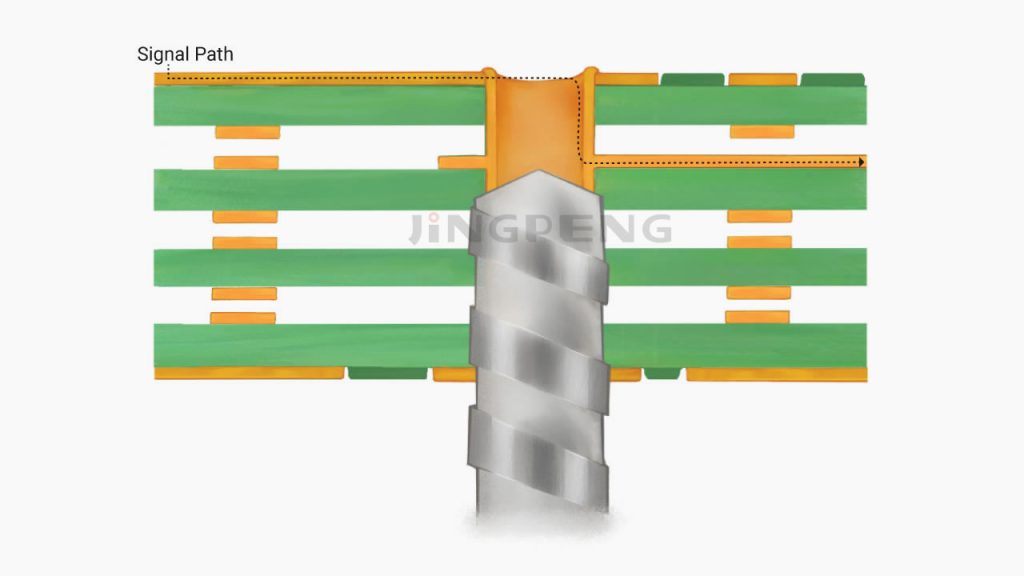
I. Broken Drill Bits on Printed Circuit Boards
Causes:
- The drill bit is not suitable, improper operation, insufficient drill speed, and excessive feed rate.
- During drilling, the spindle was set too deep, causing poor chip evacuation from the drill bit and resulting in a jam.
- The drill bit has been ground too many times or has been used beyond its service life.
- When securing the substrate, the tape was applied too wide, or the aluminum cover plate or sheet was too small.
Solution:
- Check for changes in spindle speed and spindle stability, and determine whether any copper wires are affecting the uniformity of the speed; perform the necessary repairs or replace the spindle.
- Check the pressure foot air line for blockages, adjust the fit between the pressure foot and the drill bit—the drill bit tip must not be exposed—and check the pressure readings when the pressure foot is clamped.
- Inspect the drill bit’s geometry and wear condition, and select a drill bit with an appropriate chip flute length. Choose an appropriate feed rate, reduce the feed speed, and limit the number of passes to an appropriate level.
- Select cover plates and shims that are flat and have the appropriate surface hardness. Check the condition and width of the adhesive tape, replace the aluminum cover plates, and verify the dimensions of the plates.
II. Drilling Deviation
Causes:
- The drill bit is severely worn and does not meet the geometric requirements.
- The spindle is not very precise and exhibits axial runout.
- The drill bit was selected improperly; its length or diameter was not appropriate.
- The substrate is not securely clamped, causing it to wobble.
Solution:
- Replace severely worn drill bits regularly to ensure they maintain their proper geometry.
- Inspect the spindle, improve its precision, and ensure there is no axial wobble during the drilling process.
- Select the appropriate drill bit, ensuring that its length and diameter are suitable for the desired hole size.
- To securely clamp the substrate and prevent it from wobbling, appropriate clamping fixtures can be used to increase stability.
III. Drilling and Chip Removal Issues
Causes:
- The drill bit was poorly designed, and the chip flutes were not optimized.
- The feed rate is too high, causing chips to not be removed in a timely manner.
- The quality of the drilling material is inconsistent, and there are significant variations in hardness.
Solution:
- Select a properly designed drill bit to ensure that the chip flutes are sufficiently wide and deep.
- Control the feed rate to ensure that chips are removed promptly and do not clog the drill hole.
- Select drilling materials of uniform quality to minimize variations in hardness and improve drilling quality.
The drilling process plays a crucial role in the production workflow of PCB factories, but it is also prone to certain issues. Understanding these issues and their solutions can help PCB factories improve production efficiency and product quality, thereby ensuring the reliability of circuit boards.
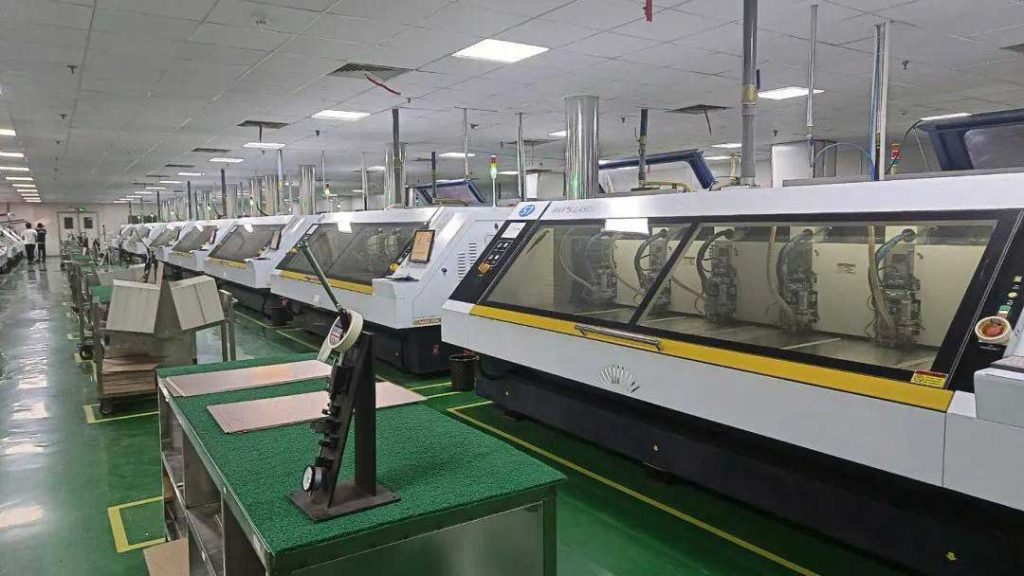
Frequently Asked Questions
1. How can you prevent drill bits from breaking on a circuit board?
To prevent drill bits from breaking during PCB drilling, you need to check the spindle speed, adjust the pressure foot settings, select the appropriate drill bit, and secure the substrate.
2. How can drilling deviation be corrected?
To resolve drilling deviation issues, it is necessary to replace drill bits regularly, inspect the spindle, select the appropriate drill bits, and ensure stable substrate clamping.
3. How can we address the issue of chip removal during drilling?
To address chip removal issues during drilling, it is necessary to select a properly designed drill bit, control the feed rate, and choose drilling materials of consistent quality.
