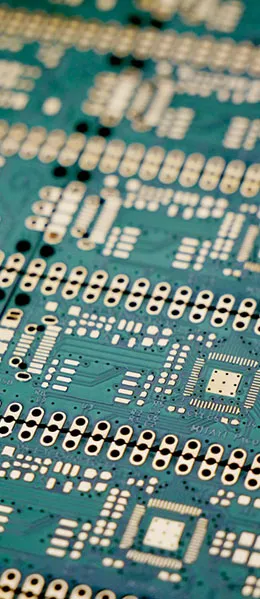
Selective soldering is a key process in the electronics industry, playing a vital role in addressing the temperature sensitivity issues associated with reflow soldering. This article will provide an in-depth exploration of the technical characteristics, process flow, and applications of selective soldering in electronics manufacturing, offering you a comprehensive understanding of the subject.
A Comparison of Selective Soldering and Traditional Wave Soldering
Selective soldering differs significantly from traditional wave soldering in terms of the soldering process. The most notable difference lies in how the solder comes into contact with the PCB during the process. In wave soldering, the entire underside of the PCB is fully immersed in liquid solder, whereas in selective soldering, only specific areas come into contact with the solder wave. This is because PCBs are materials with poor thermal conductivity; during soldering, they do not heat up enough to melt the solder joints near the components and other areas of the PCB. To ensure a secure connection at the solder joints, flux must be applied to the PCB prior to soldering. Compared to wave soldering, in selective soldering, flux is applied only to the areas to be soldered, rather than to the entire PCB. Additionally, selective soldering is suitable only for through-hole components and does not include SMDs (surface-mount devices). This soldering method provides a cost-effective and efficient approach to electronics manufacturing, particularly when handling lead-free soldering in subsequent processes.
Selective Soldering Process Flow
A typical selective soldering process includes flux application, PCB preheating, dip soldering, and drag soldering.
Flux Application Process
Flux application plays a critical role in selective soldering. It helps prevent bridging and oxidation during the soldering process. Flux application is typically performed by an X/Y robot, which moves the PCB past the flux nozzle to apply flux to the areas to be soldered. There are several flux application methods, including single-nozzle spraying, micro-hole jetting, and synchronous multi-point/pattern spraying. Selecting the appropriate flux application method is crucial to ensuring that the flux is precisely applied to the areas to be soldered.
Preheating Process
In selective soldering, the primary purpose of preheating is to remove solvents from the flux to ensure it has the correct viscosity. Unlike traditional wave soldering, the heat from preheating is not a critical factor affecting soldering quality. The preheating temperature is determined by the PCB thickness, the component package specifications, and the type of flux used. There are differing theoretical viewpoints regarding selective soldering; some process engineers believe preheating should be performed before flux application, while others believe soldering can proceed immediately. The specific preheating process can be adjusted based on actual conditions.
Welding Processes
There are two main types of selective soldering processes: dip soldering and drag soldering.
Dip-Soldering Process
In the dip-soldering process, the number of solder nozzles corresponds one-to-one with the solder joints on the PCB, allowing all solder joints to undergo flux application, preheating, and soldering simultaneously. The dip-soldering process is suitable for situations where solder joints are sparsely distributed, such as individual solder joints or pins. However, since the distribution of solder joints may vary across different PCBs, custom solder nozzles must be manufactured. Although this method offers relative flexibility, it does not match the high precision and efficiency of robotic selective soldering equipment.
Drag Welding Process
The drag soldering process is a more precise soldering method, typically used for soldering closely spaced joints, such as single-row pins. The PCB moves across the solder wave at varying speeds and angles to achieve optimal soldering quality. To ensure consistent soldering results, the inner diameter of the solder nozzle is typically small, and the temperature of the solder wave is relatively high. The advantages of this method include reduced bridging defects and improved soldering consistency and reliability.
Applications of Selective Soldering
Selective soldering is widely used in electronics manufacturing, particularly when addressing soldering challenges involving temperature-sensitive components. The following are some common applications of selective soldering:
1. Soldering Temperature-Sensitive Components
For temperature-sensitive components, such as certain chips and sensors, reflow soldering may damage them. Selective soldering offers a gentler soldering method that allows the soldering process to be completed without damaging the components.
2. Post-Processing of Lead-Free Soldering
Selective soldering is an ideal choice for post-processing lead-free solder joints. It is fully compatible with lead-free soldering processes and ensures that electronic products comply with environmental regulations.
3. Soldering of Closely Spaced Solder Joints
When soldering closely spaced joints, selective soldering offers advantages over traditional wave soldering. It allows for precise control of the soldering location, reducing the occurrence of bridging and soldering defects.
4. Efficient Welding for Mass Production
Selective soldering equipment is typically highly automated and efficient, making it suitable for mass production environments and capable of significantly improving production efficiency.
Conclusion
Selective soldering is a critical process in the electronics industry, particularly suited for soldering temperature-sensitive components and for post-processing lead-free solder joints. Its process characteristics and scope of application make it an indispensable part of electronics manufacturing. As technology continues to advance, selective soldering equipment will become smarter and more efficient, promising to further enhance the quality and productivity of electronics manufacturing.
Frequently Asked Questions
1. For which types of components is selective soldering suitable?
Selective soldering is primarily used for soldering through-hole components; it is generally not suitable for SMD (surface-mount devices).
2. Why is selective soldering more popular for soldering temperature-sensitive components?
Selective soldering offers lower soldering temperatures that do not damage temperature-sensitive electronic components, making it a more popular choice in this regard.
3. What is the difference between selective soldering and traditional wave soldering?
Selective soldering applies solder only to specific areas, while wave soldering immerses the entire PCB in solder. Selective soldering is more suitable for applications where solder joints are sparsely distributed.
4. What is the role of preheating in selective soldering?
The primary purpose of preheating is to remove the solvents from the flux, ensuring that the flux has the correct viscosity, thereby improving the quality of the solder joint.
5. How automated is selective soldering equipment?
Selective soldering equipment is typically highly automated, suitable for mass production environments, and capable of significantly improving production efficiency.