

In PCB manufacturing, gold plating and tin plating are two common processes used to improve board performance and solder joint quality. The difference between the immersion gold and tin plating processes for PCBs lies in specific requirements and cost considerations.
Shenzhen Jingpeng will discuss how to determine which PCBA boards require immersion gold plating and which do not, as well as the advantages and disadvantages of these two processes.
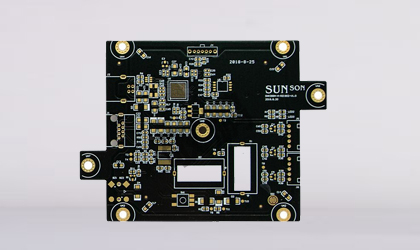
Why choose gold plating or tin plating?
Before discussing how to choose between gold plating and tin plating, let’s first understand the basic principles and applications of these two processes.
- Gold-plated plate: Electrolytic gold plating is a high-quality surface treatment process that forms a uniform layer of gold on the pads. This gold layer not only provides excellent solderability but also enhances the PCB’s electrical performance and resistance to oxidation. Electrolytic gold plating is typically used on boards with high requirements for solderability and electrical performance to ensure the reliability of the connections.
- Tin-plated sheet metal: Tin plating is a cost-effective surface treatment method that involves spraying liquid tin onto pads to form a tin coating. This process is typically used for projects with budget constraints, but it can also provide good soldering performance, especially when the line width and pad spacing are sufficiently large.

How to Choose the Right Process?
1. "Golden Finger" Requirements
If your PCB has gold fingers, these gold fingers typically need to be gold-plated to ensure a good connection. However, for areas outside the gold fingers, you can choose processes such as tin plating or immersion gold, depending on the situation. This means you can use either an “immersion gold + gold-plated fingers” or a “tin-plated + gold-plated fingers” process.
Please note that the full-board immersion gold process may cause connection issues when gold fingers are frequently plugged in and out, as immersion gold cannot provide the same thickness as electroplated gold.
2. Line Width and Pad Spacing
PCBs with narrow trace widths and small pad spacings are generally not suitable for the tin-spraying process, as this increases the difficulty of soldering and can easily lead to problems such as short circuits. To ensure the board’s performance, processes such as electroless gold plating are typically chosen because they offer better performance and stability.
3. Welding and Electrical Performance Requirements
Both immersion gold and electroplated gold offer excellent solderability and electrical performance because they form a metal layer on the pad surface. If you have strict requirements for a board’s solderability and electrical performance, regardless of cost, both of these processes are good choices.
4. Cost Considerations
Finally, cost is an important consideration. Immersion gold is more expensive than tin plating, while gold plating is even more expensive. If your project has a limited budget, you may need to strike a balance between performance and cost.
The choice between the appropriate electroless gold plating or tin plating process depends on the specific requirements and budget of the project.
Electroplated gold and gold plating generally offer superior performance, but at a correspondingly higher cost. Tin plating is a more cost-effective option suitable for projects with lower performance requirements or where cost is a concern.
Therefore, when selecting a manufacturing process, please consider all factors based on the specific details of your project to ensure that your PCB meets the requirements.
