

FPC (Flexible Printed Circuit) boards are a critical component typically used to connect various parts in electronic devices, such as chips, sensors, and displays. The reliability and performance of these FPC boards depend on their metal surface treatment. This article will introduce the different methods of final metal surface treatment for FPC boards and their applications.
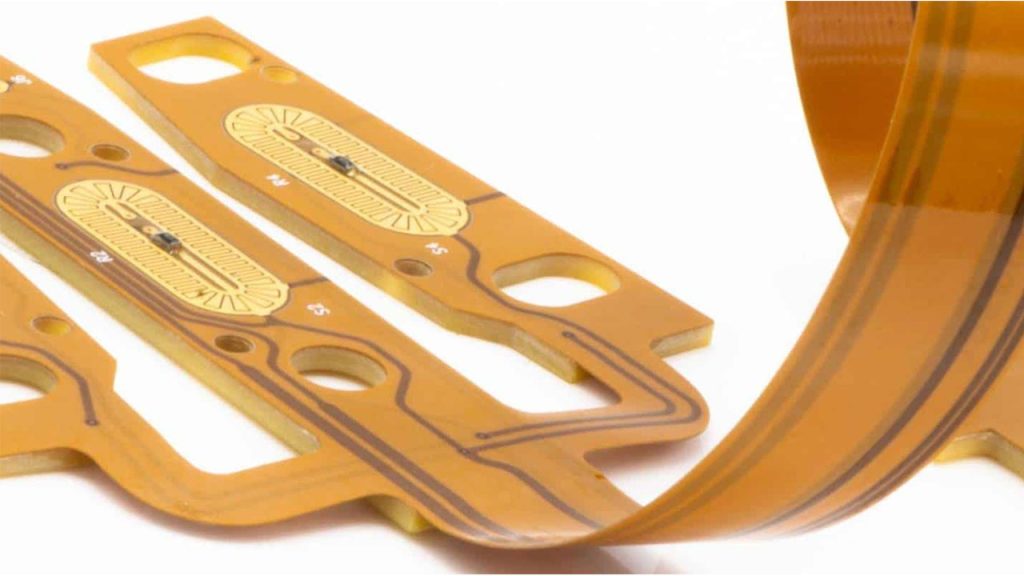
Why is metal surface treatment so important?
In electronic devices, FPC circuit boards are commonly used to transmit signals and power, so their reliability is critical. Metal surface treatment is a key step in ensuring that FPC circuit boards maintain solderability and stability when connected to connectors, solder joints, and other electronic components.
Gold Processing
A common method of metal surface treatment involves the use of gold. Gold is used to treat connectors on the edges of circuit boards to ensure reliable connections. This treatment is typically accomplished using electroplating, and a base layer is often required to facilitate electrical conductivity in the circuit’s interconnections.
Protective Coatings and Electroplating
In the process of metal surface treatment, it is common practice to apply a protective film before electroplating. The advantage of this method is that the apertures in the protective film and the electroplating process ensure registration accuracy. This is because the electroplated surface must be free of adhesive, and the conductors must be preserved in the design. This can be achieved by removing the outer portions or through post-etching, stamping, and machining.
Solder Coating and Tin Plating
Solder coating or tin plating is another common metal surface treatment method that provides excellent overall protection for flexible circuit terminals. This treatment can be used in conjunction with subsequent soldering assembly techniques and is suitable for the production of a variety of pressure-contact connectors. However, if not performed properly, it may lead to solder seepage, compromising the adhesion of the protective film or coating and causing pinholes.
Coating of Organic Welding Protective Film
Coatings for organic solder mask films have rapidly gained popularity because they are easy to integrate into FPC manufacturing facilities, eliminate the need for wires, and provide adequate storage stability. The duration of this process depends on the expected shelf life and storage temperature; typically, the film is immersed at room temperature to 50°C for 1 to 5 minutes.
Chemical Tin Plating
Chemical tin plating is another option suitable for all types of FPCs. It is an easy-to-control method that does not damage the circuitry. However, when using this method, it is important to ensure that the pads remain clean during manufacturing and are not stored for too long in order to maintain solderability.
Metal surface treatment is critical to the reliability and performance of FPC circuit boards. Circuit board manufacturers, circuit board designers, and PCBA manufacturers need to understand the various metal surface treatment methods and select the appropriate method based on their application requirements to ensure the quality and reliability of the final product.
The final metal surface treatment of FPC circuit boards is a critical step in electronics manufacturing. Different treatment methods are suitable for different applications, but their common goal is to ensure the reliability and performance of the circuit boards. Circuit board manufacturers, designers, and PCBA manufacturers must work closely together to ensure the successful implementation of metal surface treatment.
Frequently Asked Questions
Q1: Why is metal surface treatment so important for FPC circuit boards?
Metal surface treatment is a critical step in ensuring that FPC circuit boards maintain solderability and stability when connected to connectors, solder joints, and other electronic components.
Q2: What is the coating on organic welding protective film?
The organic solder mask coating is a method of metal surface treatment that has rapidly gained popularity because it is easy to implement in FPC factories, eliminates the need for wires in the final product, and provides adequate storage stability.
Q3: What are some common methods of metal surface treatment?
Common metal surface treatment methods include gold plating, protective coatings and electroplating, solder coating and tin plating, as well as chemical tin plating.
Q4: How do you choose the right metal surface treatment method?
The selection of an appropriate metal surface treatment method should be based on the application requirements and expected shelf life of the FPC circuit board.
Q5: In what aspects of electronics manufacturing is metal surface treatment critical?
Metal surface treatment is critical to the reliability of welds, connectors, and electronic components, and it directly affects the performance and reliability of electronic devices.
