

PCBA (Printed Circuit Board Assembly) surface-mount assembly is a core process in the production of high-quality electronic products. This article will provide an in-depth exploration of the control and management of PCBA surface-mount assembly, including process parameters, equipment maintenance, production environment, and product inspection standards. The proper management of these factors directly impacts the performance and reliability of electronic products.
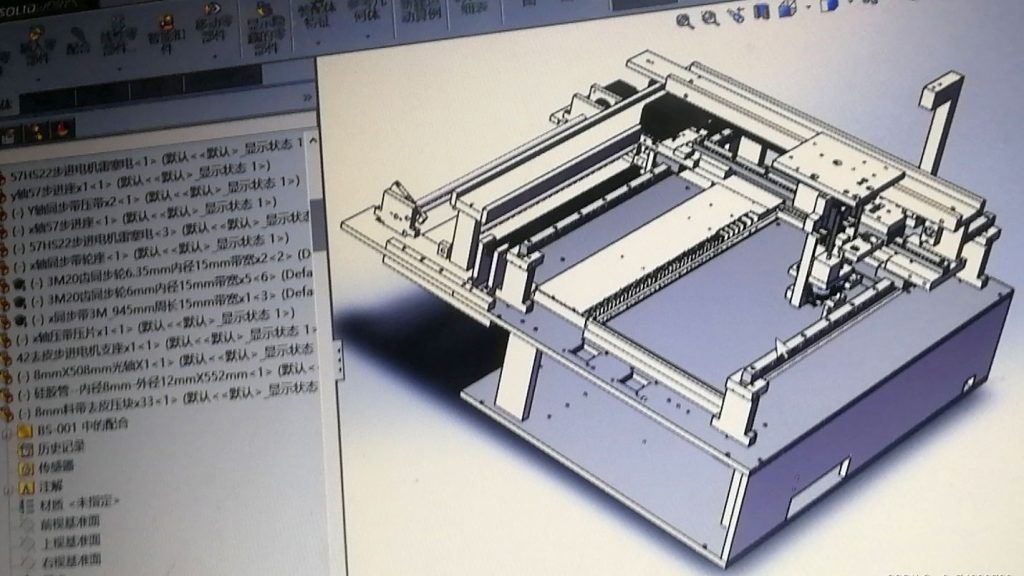
The Importance of PCBA Surface Mount Assembly
PCBA surface-mount assembly is one of the key processes in electronics manufacturing. It involves multiple stages, including solder paste application, component placement, soldering, and inspection, each of which requires strict control to ensure the quality of the final product.
Product Batch Management
In PCBA surface-mount assembly, managing product batches is critical. Control procedures for nonconforming products should be clearly defined, including the isolation, identification, recording, review, and disposal of such products. Limits on the number of reworks should also be established to ensure product quality.
Equipment Maintenance
Maintenance of PCBA manufacturing equipment is key to ensuring production continuity and quality. Critical equipment should undergo regular inspections by dedicated maintenance personnel to ensure it remains in good working order, and corrective and preventive measures should be taken to perform timely maintenance and repairs.
Production Environment
PCBA production lines have specific requirements for temperature, humidity, noise, and cleanliness. An electrostatic protection system is also essential to prevent damage to components.
Production Site Layout and Civilized Production Practices
Production areas should be laid out in a logical manner and properly labeled; warehouse materials and work-in-progress should be stored by category and stacked neatly. Civilized production practices are also important, including keeping the workplace clean and avoiding disorderly or disruptive behavior. On-site management should include established procedures, inspections, evaluations, and record-keeping to improve production efficiency.
Standard Conditions for PCBA Inspection
Inspection standards for PCBA boards are crucial to product quality. The standards should distinguish between serious defects, major defects, and minor defects, and the criteria for each type of defect should be clearly defined to facilitate inspection and acceptance.
PCBA surface-mount assembly control is a critical component in ensuring the quality and performance of electronic products. Only through proper process control, equipment maintenance, production environment management, and product inspection can high-quality electronic products be manufactured.
Frequently Asked Questions
Q1: Why is PCBA surface-mount assembly so important?
PCBA surface-mount assembly is a core process in the manufacturing of electronic products and has a direct impact on product performance and reliability.
Q2: How should nonconforming products be handled?
Nonconforming products shall be isolated, identified, recorded, reviewed, and disposed of appropriately in accordance with clearly defined control procedures.
Q3: Why is equipment maintenance so important?
Equipment maintenance is a key measure for ensuring production continuity and product quality, as it allows for the timely identification of problems and the implementation of corrective actions.
Q4: What are the standard criteria for inspecting PCBA boards?
The standard criteria for PCBA inspection include the classification of defects into severe, major, and minor categories, as well as inspection methods and standards.
Q5: What are the requirements for production environment management?
Production environment management includes requirements for temperature, humidity, noise, cleanliness, and electrostatic protection systems.
