

PCBs (Printed Circuit Boards) are an indispensable component of electronic devices, yet their prices are influenced by a variety of factors. Understanding these factors is crucial for electronics manufacturers and purchasers, as they determine the cost and quality of the final product. This article will take an in-depth look at the various factors that affect PCB prices.

Advanced: The Cost Breakdown Behind a Quote
When you receive a PCB quote, the costs are generally broken down into the following categories. Understanding this breakdown is key to knowing where to negotiate the price:
| Cost Items | Order of magnitude | What factors influence it? |
|---|---|---|
| Engineering and Plate-Making Fees | Fixed Expenses | Document Processing, Film, Steel Screens, Test Fixtures |
| Cost of Materials | Medium to Large | Laminate Grade, Copper Thickness, Board Thickness, Prepreg |
| Processing Fee | 大 | Number of layers, number of drill holes, number of processes |
| Special Process Fees | As needed | Blind Vias, Impedance, Plugged Vias, Gold Fingers |
| Testing and Inspection Fees | 中 | Flying Probe or Fixture, Impedance Testing, Cross-section Analysis |
| Management and Losses | 中 | Yield Rate, Scrap Allocation |
Key point:Engineering and plate-making fees are fixed expenses and are not dependent on quantity.. This explains why the unit price is higher for small batches—since fixed costs are spread across a small number of boards, the unit cost naturally rises. As the quantity increases, fixed costs are spread out over a larger volume, and the unit price decreases accordingly.
- For small batches, consider the fixed costs.: The costs that can be saved are one-time expenses such as steel screens and jigs;
- For large-volume production, consider the materials and yield rate.: At this stage, unit cost is the primary factor, and there is greater room for process optimization;
- Changing the board will reset the fixed fees.: This is also a major reason why switching boards is so costly.
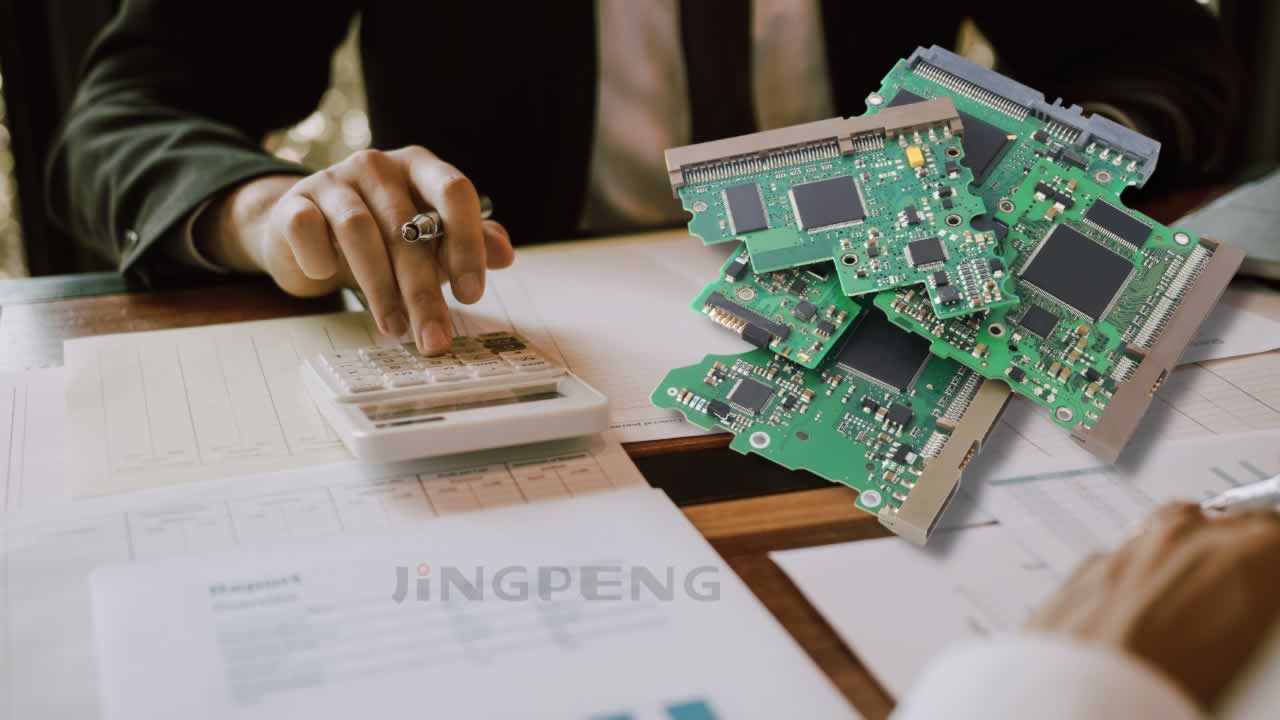
For information on the factors that make up the price, seeFactors Affecting PCB Prices; For pricing details, seeHow Are PCB Prices Calculated?。
The Diversity of PCB Materials
The price of a PCB primarily depends on the type and specifications of the materials selected. For example, a standard double-sided PCB can use different types of substrate materials, such asFR-4As with CEM-3, the board thickness can range from 0.6 mm to 3.0 mm, and there are various options for copper thickness, ranging from 1 oz to 3 oz. In addition, different solder mask inks—such as standard thermosetting ink and photosensitive green ink—will also result in price differences.
Differences in Production Processes
PCB manufacturing involves a variety of production processes, and different processes result in different costs. For example, the manufacturing processes for gold-plated boards and tin-plated boards are different. Manufacturing contoured boards through routing (milling) or punching, as well as using screen-printed or dry-film patterns, all result in different production costs.
Advanced: How Are Crafting Difficulty Levels Categorized?
The term “complex” used in quotations can actually be broken down into several quantifiable tiers. When moving from one tier to the next, both price and delivery time will change significantly:
| Parameters | Regular Slot | Advanced Level | High-Difficulty Tier |
|---|---|---|---|
| Minimum Line Width and Spacing | 6 mil or more | 4 mil | Less than 3 mil |
| Minimum pore size | 0.3 mm or greater | 0.2 mm | Less than 0.15 mm |
| Thickness-to-Diameter Ratio | Within 8:1 | 10:1 | 12:1 and above |
| Number of Floors | Floors 2–6 | Floors 8–12 | 14th floor and above |
| Hole Type | Through-hole | With blind holes | Interconnection Between Any Layers |
The purpose of this table is:Adjusting design parameters down a notch can often save a significant amount of money.. For example, increasing the minimum hole diameter from 0.2 mm to 0.3 mm significantly improves drilling efficiency and reduces drill bit wear, which typically results in a noticeable improvement in the quoted price.
- The number of holes has a greater impact on cost than the hole diameter.: The number of holes determines the drilling time, and the price of high-density perforated plates is primarily driven up by the number of holes;
- The wall-to-diameter ratio is even more critical than the pore diameter itself.: It is much more difficult to machine holes of the same diameter in thick plates;
- Whether a standard gear can be used is the deciding factor: If even one item falls into the high-difficulty category, the entire batch is usually processed according to the high-difficulty procedure.

See the seven factors that influence price7 Factors That Affect PCB Prices; For a breakdown of prices, seeAn Analysis of PCB Prices。
The Complexity of PCBs
Even when the materials and manufacturing processes are the same, the complexity of the PCB itself can affect the price. For example, if two PCBs both have 1,000 holes, but one has holes larger than 0.6 mm and the other has holes smaller than 0.6 mm, this will result in different drilling costs. Similarly, if two PCBs differ only in their trace widths and spacing—with one having all trace widths and spacing greater than 0.2 mm and the other having all trace widths and spacing less than 0.2 mm—this will also result in different production costs, as the more complex board has a higher scrap rate, which in turn increases costs.
Advanced: How Much Does the IPC Rating Affect the Price?
Acceptance criteria directly determine yield, and yield directly determines cost. The three common types of grade differences are as follows:
| Level | Applicable Products | Assessing Rigor | Impact on Costs |
|---|---|---|---|
| Class 1 | General consumer goods and short-lived products | 低 | Benchmark |
| Class 2 | Durable Consumer Goods, General Industry | 中 | Increase by approximately 10–20% |
| Class 3 | Highly Reliable, Non-Serviceable Equipment | 高 | Increase by 30% or more |
- Higher levels aren't necessarily better.: Select the model based on the product's actual requirements; choosing a model with too high a rating will only drive up costs;
- This must be clearly stated in the order: Failure to specify the grade can easily lead to disputes during acceptance;
- Requirements for key items may be made more stringent on a case-by-case basis: It is not necessary to upgrade the entire board; instead, you can set higher requirements for individual aspects, such as the thickness of the copper via.
The last one is a practical cost-control tip:Classify the entire system as Class 2, with stricter requirements applied separately to key indicators that affect reliability....which is much more cost-effective than classifying the entire board as Class 3.
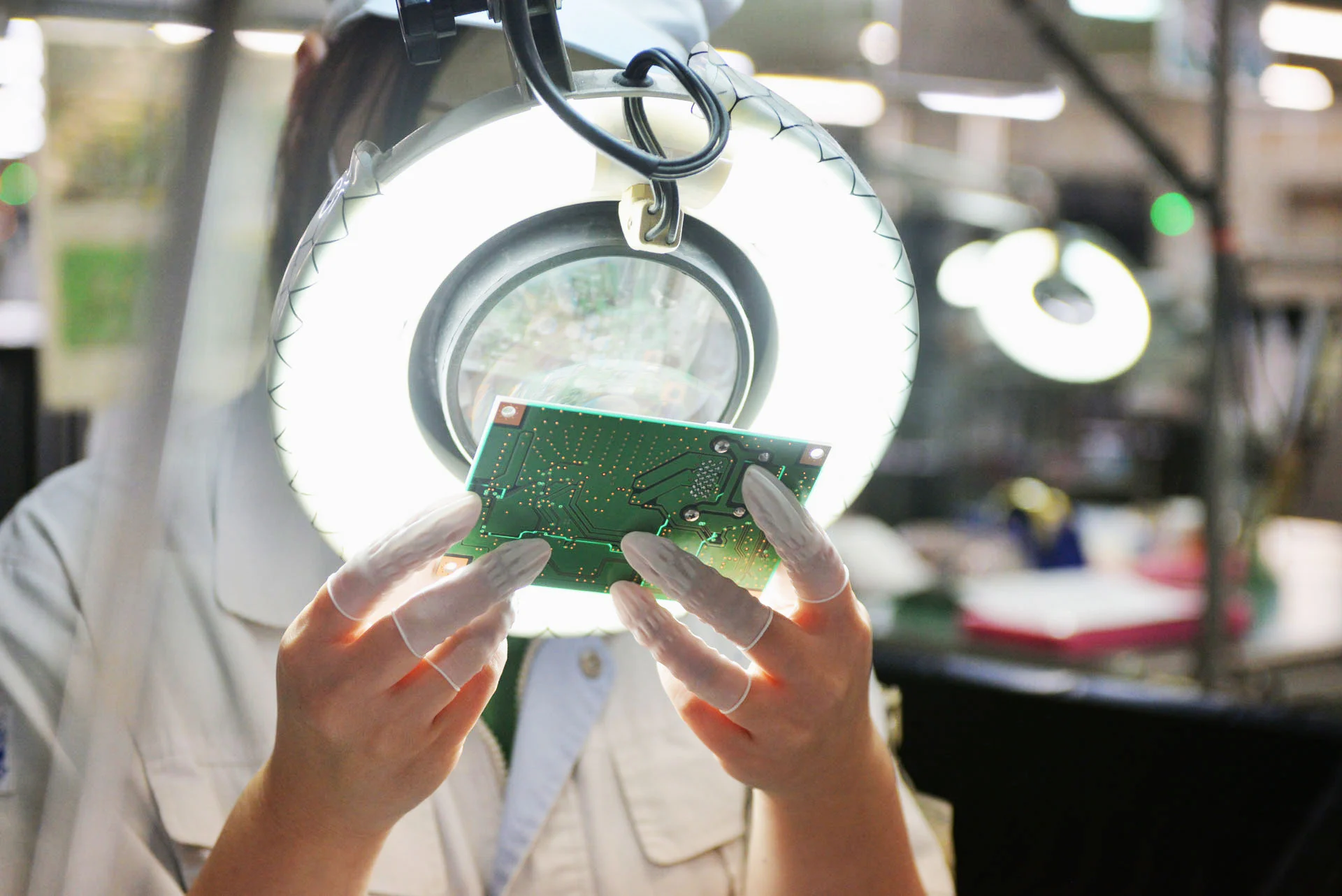
See the IPC standards34 Common IPC Standards for Printed Circuit Boards; For the manufacturer's quality assessment, seeWhich PCB manufacturer offers the best quality?。
Differences in Customer Requirements
Customer requirements for PCBs also affect the price. Customers with high standards typically demand higher yield rates and quality. For example, under the IPC-A-600E standard, Class 1 requires a pass rate of 98%, while Class 3 may only require a pass rate of 90%. This directly affects the manufacturer’s costs.
Differences Among PCB Manufacturers
Even for products of the same type, different PCB manufacturers have varying process equipment and technical capabilities, which can result in different costs. Some manufacturers may be more skilled at producing specific types of circuit boards, leading to price differences. For example, some manufacturers may prefer to produce gold-plated boards because the process is relatively simple and less expensive. However, if the scrap rate rises, costs will increase accordingly, so they may prefer to produce tin-sprayed boards instead, which is why tin-sprayed boards are priced lower than gold-plated boards.
Differences in Payment Methods
Currently, PCB manufacturers typically adjust their prices based on the payment method, with the price range varying between 5% and 10%.
Regional Factors
In China, PCB prices tend to increase from south to north. Differences in the cost of living and labor costs across regions all affect PCB prices.
Advanced: A Request for Quote Template for Getting Accurate Quotes
- Documents: Gerber files, drill files, stack-up specifications, BOM (if assembly is included);
- Dimensions and Quantity: Panel dimensions, panel layout, and whether the panels will be delivered as a single piece;
- Number of Layers and Plate Thickness: Number of layers, finished board thickness, tolerance requirements;
- Materials: Base material model or grade, Tg requirements, copper thickness (distinguishing between inner and outer layers);
- Process: Surface treatment, solder mask and screen print colors, hole types, and whether to fill the holes;
- Electrical Requirements: Does it include impedance control, target values, and tolerances?;
- Acceptance Inspection: IPC rating, test method, whether slicing is required, and report;
- Business: Expected delivery date, payment terms, and whether delivery will be made in installments.
The more complete the information, the closer the quote will be to the actual transaction price. Many disputes over “inaccurate quotes” stem from missing information at the time of the inquiry, forcing suppliers to provide estimates based on conservative assumptions.
- Delivery times are strongly correlated with prices: Rush orders involve cutting in line and working overtime, and usually incur an additional fee;
- Deliveries in batches must be agreed upon in advance.: Affects production scheduling and inventory;
- Price differences based on payment methods do indeed exist: The length of the payment terms affects suppliers' financing costs.
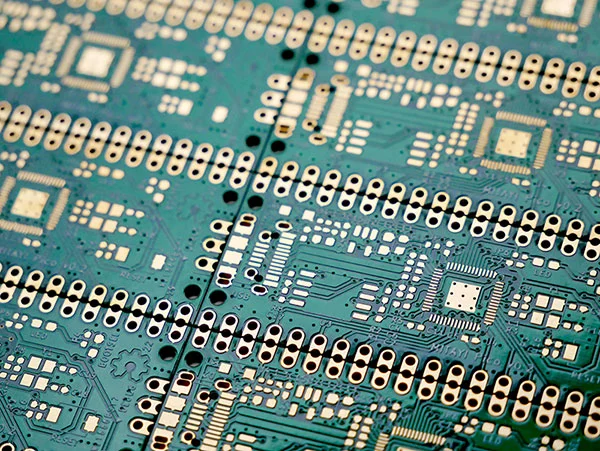
For cost-saving methods, see7 Steps to Reduce PCB Costs; For ideas on reducing procurement costs, seeSix Ways to Reduce PCB Procurement Costs。
In summary, PCB prices are determined by a variety of factors, including materials, manufacturing processes, complexity, customer requirements, manufacturers, payment terms, and geographic location. Therefore, when purchasing PCBs, manufacturers and buyers need to carefully consider these factors to ensure that their budget and quality requirements are met.
Advanced: How to Determine Whether a Quote Is Reasonable After Receiving It
- Check to see if all items are included: Are testing fees, engineering fees, and packaging and shipping charges billed separately? Low prices are often offset by additional charges;
- See the unit's reporting standards: Whether pricing is based on sheets, assembled panels, or square meters, the figures vary significantly depending on the methodology;
- Check whether the workmanship meets the requirements: For the same price, the material grade or surface finish may vary;
- Check whether the delivery commitment is realistic: A commitment that is significantly shorter than the industry standard often implies changes down the line;
- View Exceptions: How to account for material shortages when the scrap rate is exceeded and how to bill for panel modifications—these provisions are more important than the unit price.
The last point is particularly worth noting.Low prices + strict terms for additional materials may result in actual costs that are higher than those of a slightly more expensive quote with reasonable terms.. When evaluating suppliers, it is important to include the commercial terms in the comparison to arrive at the true total cost.
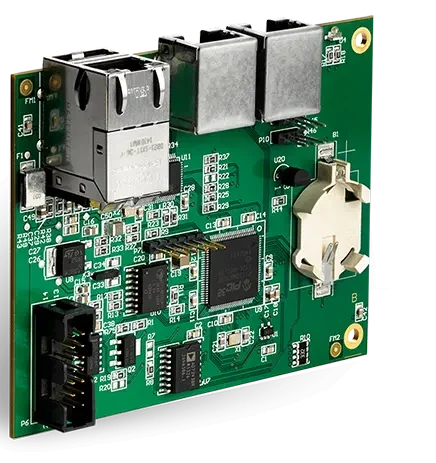
See the halogen-free board processManufacturing Process for Halogen-Free PCBs; For manufacturing capabilities, seePCB Manufacturing Capabilities。
Frequently Asked Questions
Question 1: What factors affect the price of PCBs?
Answer: The price of a PCB is influenced by a variety of factors, including materials, manufacturing processes, complexity, customer requirements, the manufacturer, payment terms, and geographic location.
Question 2: Do different substrate materials affect the price of a PCB?
A: Yes, different substrate materials affect the price of a PCB. Different materials have different costs.
Question 3: How do customer requirements affect the price of a PCB?
Answer: Customer requirements can directly affect the yield and quality of the finished PCB, which in turn affects the price. Customers with high standards are typically willing to pay a higher price to obtain higher-quality products.
Question 4: Do prices vary among different PCB manufacturers?
Answer: Yes, different PCB manufacturers have different processes and technical capabilities, which can lead to price differences.
Question 5: How does geographic location affect PCB prices?
Answer: Geographic location can affect the price of PCBs. Generally speaking, PCB prices tend to increase from south to north.
Question 6: Why is there such a big difference in quotes from different manufacturers for products with the same specifications?
The differences stem primarily from three factors: First, variations in equipment and manufacturing processes, which determine yield rates and efficiency; second, differences in material sourcing channels and inventory strategies; and third, differences in order structures—manufacturers that specialize in a particular type of panel have lower costs for that specific type. Therefore, when comparing prices, it is important to ensure that specifications are exactly the same and to consider the manufacturer’s areas of expertise.
Question 7: How are rush fees typically calculated?
Rush fees are typically tiered based on the urgency level, with rates ranging from the low teens to several times the standard rate, depending on how much the production time needs to be shortened. Rush orders essentially involve inserting new orders into the existing production schedule, which disrupts the existing production plan; therefore, the resulting increase in costs is reasonable. A more cost-effective approach is to plan delivery dates in advance and incorporate standard delivery times into the project plan.
Question 8: Why is the unit price higher for small batches?
This is because fixed costs—such as engineering fees, plate-making fees, and testing fixtures—must be allocated. The smaller the quantity, the higher the fixed cost per unit. Ways to reduce the unit price for small batches include: minimizing the use of special processes, selecting standard materials, and combining production with other orders.
Question 9: Can we cut corners on the grade of the panels?
This is acceptable as long as performance requirements are met. For example, boards with no high-frequency requirements do not need to use low-loss materials, and boards operating at room temperature do not need to have a high Tg. However, specifications related to temperature resistance, insulation, and reliability must not be compromised; such cost-cutting measures will come back to haunt you in the form of failures in the field.
Question 10: Why are some manufacturers reluctant to produce gold-plated boards?
The gold-plating process requires strict process control, and fluctuations in the price of gold pose cost risks. For reasons of yield and cost, some manufacturers tend to recommend other surface treatments. This is not because the process is unsuitable, but rather due to differences in production capacity and risk tolerance; when selecting a process, it is advisable to consider the manufacturers’ alternative recommendations.
Question 11: What should I be aware of regarding the “scrap replacement” clause on the quotation?
Be sure to clarify how rework will be handled if the agreed-upon scrap rate is exceeded—whether it will be done free of charge or billed at the original price—as well as how the delivery time for the reworked units will be calculated. This clause has a particularly significant impact on small-batch and high-complexity boards, so it must be clearly defined before signing the contract.
Related Processes:Which PCB manufacturer offers the best quality? · Manufacturing Process for Halogen-Free PCBs
