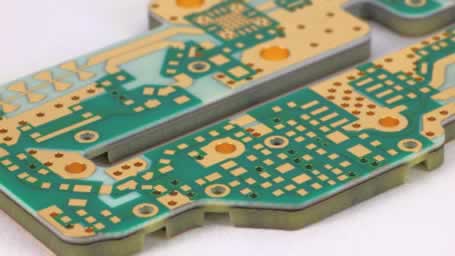
With the rapid development of surface mount technology, the future of printed circuit boards will inevitably move toward high-density packaging characterized by fine lines, small vias, and multiple layers. However, the copper plating process used to manufacture these advanced circuit boards will also face certain technical challenges. This article will explain the challenges of the process based on fundamental principles and explore potential solutions, with the hope of providing valuable insights to professionals in the PCB industry.
Complexity and Challenges
With the rapid development of the semiconductor and computer industries, the manufacturing of printed circuit boards has become increasingly complex. We can use a “complexity index” to measure the difficulty of a circuit board. The formula for calculating this index is as follows:
PCB Complexity Index = Number of PCB Layers × Number of Traces Between Two Solder Pads / Distance Between Two Solder Pads (inches) × Trace Width (mil)
For example, a 16-layer board with a solder joint spacing of 0.1 inches, a trace width of 5 mils, and three traces between any two solder joints would have a complexity index of 96. Since the 1980s, the widespread adoption of surface-mount technology has driven the PCB industry toward the production of high-level multilayer boards, causing the complexity index to rise rapidly—from around 20 for traditional PCBs to 100 or higher today.
From a macro perspective
First, let’s look at the big picture. As for the surface of a circuit board, a large board typically measures approximately 24” × 18”. Achieving uniform plating thickness across both the center and the edges is no easy task. According to Faraday’s law of electrolysis, the thickness of the plating is directly proportional to the applied current. Therefore, many factors influence current distribution, including the resistance of the solution, electrode polarization, the geometry of the workpiece, the distance between the anode and cathode, the magnitude of the applied current, and the mass transfer rate.
When the distribution of current on the electrode does not result in polarization or other interfering factors, it is referred to as the primary current distribution, which depends entirely on the geometry of the plating tank. When the distribution of current on the electrode does not result in polarization or other interfering factors, it is referred to as the primary current distribution, which depends entirely on the geometry of the plating tank. Whether the current distribution is uniform depends entirely on the design of the plating tank. If the plating tank is replaced by a conductor or insulator, the current distribution will be disrupted and will change.
Methods for Changing the Current Distribution Once
To alter the current distribution, it is essential to focus on design concepts. For example, feasible methods include increasing the distance between the anode and cathode, enlarging the anode area, using insulating materials to alter the equipotential planes, employing auxiliary anodes to improve current distribution in low-current regions, and using auxiliary cathodes to disperse current in high-current regions.
Secondary Current Distribution
The second aspect of current distribution is the secondary current distribution, which results from the primary current distribution being altered due to electrode polarization. Polarization occurs because electrochemical reactions near the electrode increase the resistance of the solution. To ensure the desired reaction proceeds smoothly, the applied voltage must be increased. Overpotential refers to the situation where ions near the electrode are consumed too rapidly as they participate in the electrode reaction, leading to overpotential. The total overpotential is the sum of the concentration overpotential and the activation overpotential, and it serves as an indicator of the degree of electrode polarization.
Polarization Parameters
The distribution of the current is influenced by two factors: the resistance of the solution and the resistance resulting from polarization. The polarization parameter P is defined as follows:
P = R / Rp = αcFLj / RgTK
Here, αc is the transfer coefficient, F is Faraday’s constant, L is the anode-cathode distance, j is the average current density, Rg is the gas constant, T is the temperature, and K is the conductivity of the solution. If P <> 1, the current distribution tends toward a linear distribution, which depends entirely on the design of the plating tank.
In terms of micro-etching
Next, we will focus on micro-etching, particularly with regard to plated-through holes on circuit boards (PTH). In recent years, the widespread adoption of surface-mount components has pushed printed circuit boards toward increasingly complex designs featuring fine lines, small vias, and multiple layers, presenting unprecedented challenges in drilling, resin removal, and copper plating. The issue of mass transfer within small vias poses a serious threat to the quality of through-hole plating (PTH).
Drilling Technology
Typically, the PTH manufacturing process begins with drilling, followed by the deposition of a layer of electroless copper inside the holes to enhance conductivity, and finally, an electroplating process to increase the thickness. However, drilling technology becomes increasingly complex for circuit boards with small hole diameters and high hole densities. Typically, these small holes have diameters of 0.1 mm or smaller, requiring a high-precision drilling process to ensure accurate hole placement and dimensions. Furthermore, the high density of small holes adds to the difficulty of the drilling process, as the distances between holes are very close, making misalignment likely.
Removal of Resin Residue
Once drilling is complete, a layer of resin residue typically remains on the hole walls. This resin residue must be completely removed to ensure uniform copper plating on the hole walls during the subsequent chemical copper plating and electroplating processes. However, removing the resin residue is a complex process because it must be completely removed without compromising the quality of the hole walls.
Electroplating
Finally, the small holes on the circuit board must undergo an electroplating process to increase the thickness of the copper plating. This is also a complex process because the current distribution must be uniform to ensure an even copper layer both inside and outside the holes. At the same time, the holes are very close together, which can easily cause the current to concentrate in certain areas while becoming too diluted in others.
镀层均匀性与资料治理术语口径
把镀层均匀性与资料治理相关的名称按概念归类并统一,比各自沿用习惯叫法更利于评审对齐,规范说明可参照EMI Design Specifications and Control Principles。
同一术语在设计、采购、生产与检验环节常带不同默认假设,不预先对齐就容易出现各方都正确却互相矛盾的结论。建议建立术语对照表,注明适用对象、依据文件版本与确认职能,作废名称单独留档。本页不提供任何电流密度、添加剂用量、槽液配方或判定阈值,原文已有的描述一字不删。

- Classify by concept and assign uniform names.
- The default assumptions differ across the various stages.
- The cross-reference table specifies the basis and functions.
- Invalid names are kept on file separately.
- Comparisons are only valid when the criteria are consistent.
- This article does not provide operating conditions.
Document and Version Control
Requirements for tasks or test documents with the same name may vary across different versions; executing them based on name rather than version will result in a loss of comparability. For standard compilation, please refer toCommon IPC Standards for Printed Circuit Boards。
建议把文件编号、版本号、生效日期与批准人一并留档,并限制再分发权限;现场只保留当前有效版本,作废版本单独封存。适用标准、客户规范与内部作业文件属于不同层级,冲突时的优先顺序宜在合同或技术协议中事先写明。本页不提供任何电流密度、添加剂用量、槽液配方或判定阈值,原文已有的描述一字不删。
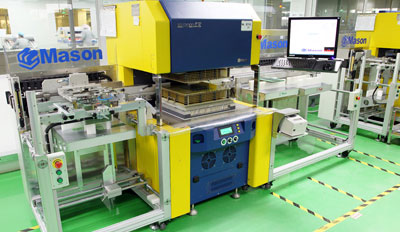
- Versions with the same name may differ.
- No., Version, Date, Approver—all recorded.
- Only the currently valid version will remain on-site.
- Standard customer component hierarchy.
- Priorities are agreed upon in advance.
- The conclusion does not change depending on who cites it.
Supplier Data Sheet and Responsibility Interface
镀层均匀性与资料治理相关的性能与安全信息应来自供应商提供的受控资料,而不是口头经验或外观印象,法规科普可参照What is RoHS?。
建议记录资料名称、版本、生效日期、提供职能与批准人,并与采购规格、验收依据互相引用;资料更新或供应方变更时,由授权职能评估影响范围并触发复评。本页不提供任何电流密度、添加剂用量、槽液配方或判定阈值,原文已有的描述一字不删。
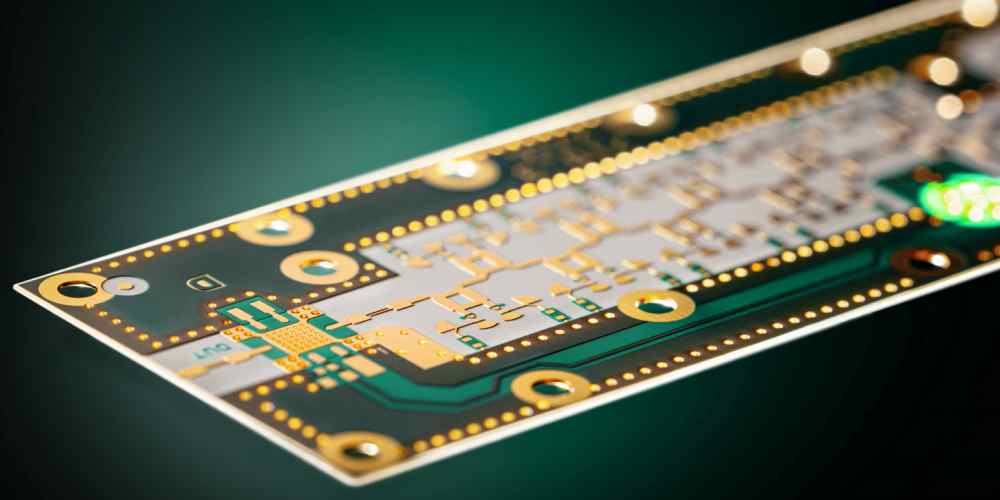
- The information is derived from controlled sources.
- Name, Version, Date, Approver—all recorded.
- Cross-reference with the procurement specifications and acceptance criteria.
- Updates to the data trigger a re-evaluation.
- The data tables and regulations shall prevail.
- This article does not specify any terms of use.
Safety, Environmental Protection, and Applicable Regulations
与镀层均匀性与资料治理相关的现场义务,应按适用法规与当地监管要求单独核实,不能沿用外部经验,标准解读可参照A Comprehensive Overview of Common Printed Circuit Board Standards。
建议建立适用法规清单,记录法规名称、版本、生效日期、责任职能与复核节点,并把合规结论与采购、交付文件互相引用。职业防护、废弃物处置与信息披露等事项以现场受控文件、供应商数据表与当地法规为准,并由具备相应资质的人员复核后留档。本页不提供任何电流密度、添加剂用量、槽液配方或判定阈值,原文已有的描述一字不删。
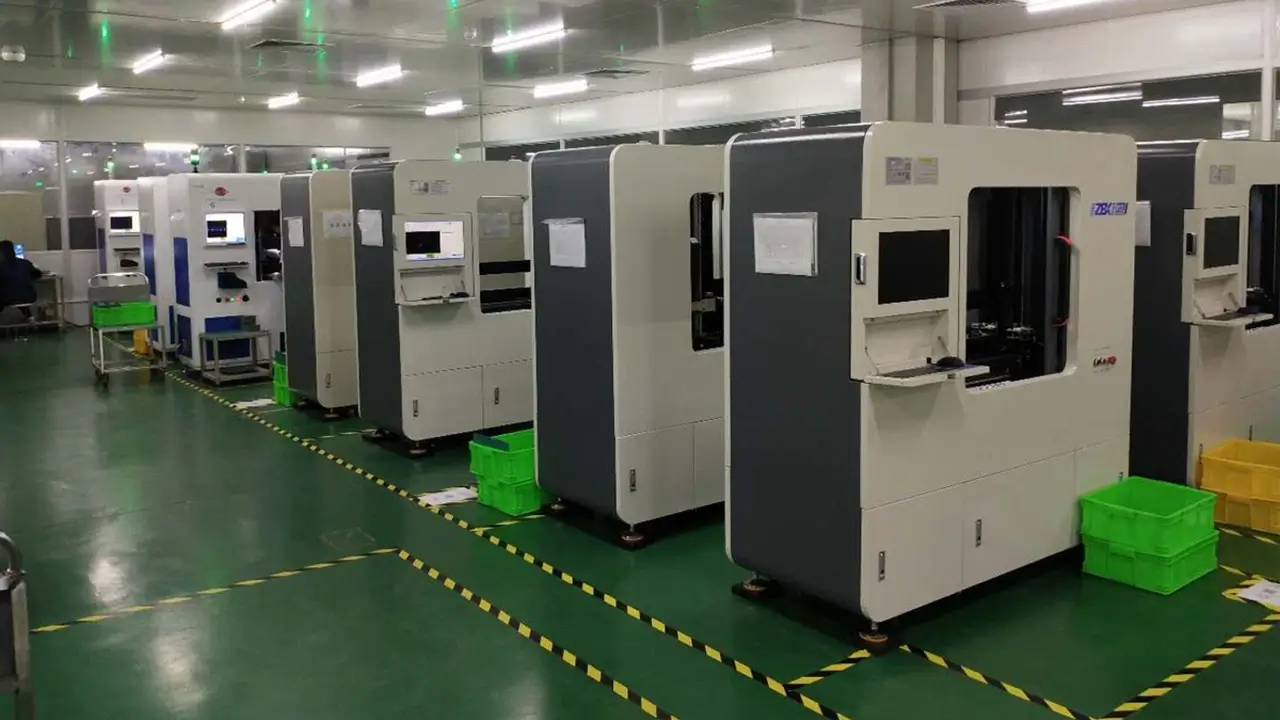
- The list of regulations is maintained separately.
- Specify the version date and responsibilities.
- Compliance conclusions and procurement are interrelated.
- Refer to the on-site documentation for safety precautions.
- Verify and file the records of qualified personnel.
- This article does not provide operating conditions.
Staff Authorization and Position Qualifications
接触受控资料、作出镀层均匀性与资料治理相关结论或签核记录的人员应有明确授权,可靠性说明可参照PCB Reliability Design: DfR Principles and Applications。
建议维护授权名单,记录岗位、授权范围、生效日期、批准职能与复核节点,作废授权单独标识;人员调岗或项目结束时及时回收权限。涉及安全与法规解释的事项由具备相应职能的人员处理,本文不提供任何资质认定方法、培训内容或判定阈值。本页不提供任何电流密度、添加剂用量、槽液配方或判定阈值,原文已有的描述一字不删。
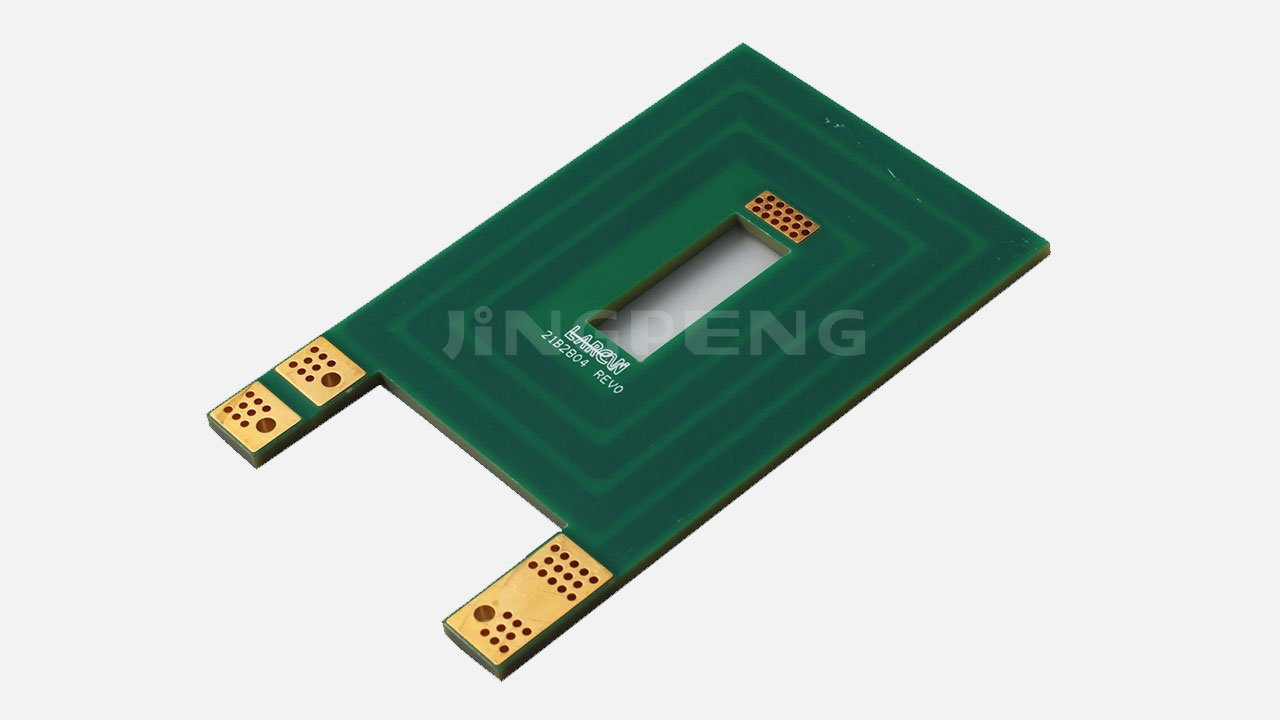
- The list of authorized personnel is maintained by position.
- Scope, dates, and approval authority are recorded together.
- Revoke access privileges promptly once the job reassignment is complete.
- Separate label for revoked authorizations.
- Security explanations are provided by the authorized department.
- This article does not provide a threshold for determination.
Record Fields and the Chain of Custody
镀层均匀性与资料治理相关记录的价值在于可追溯,字段宜落在管理信息上,材料科普可参照A Guide to PCB Materials。
建议记录覆盖发现时间、发现环节、样件标识、依据文件版本、执行与复核岗位、结论类别、异常单编号与处置状态,并与批次、工单和报告编号关联;处置结论由授权职能书面确认,接收方回执归档。本页不提供任何电流密度、添加剂用量、槽液配方或判定阈值,原文已有的描述一字不删。

- The field is located in the traceability information.
- The date of discovery is recorded alongside the specimen.
- Retain based on version and position.
- Disposition is confirmed by the authorized function.
- The acknowledgment and the re-evaluation conclusion cross-reference each other.
- This article does not provide instructions on how to proceed.
Review Records and Conclusions Are Traceable
镀层均匀性与资料治理相关评审的价值在于留下可追溯的结论,而不只是当场达成口头一致。
建议评审记录覆盖议题、参与职能、依据文件版本、结论、遗留事项与关闭状态,并与术语对照表、记录台账互相引用。对未达成一致的条目,应写明责任人与复评节点,避免问题在下一轮交付中以新面貌重复出现;相关记录按项目与版本归档,作废结论单独标识。本页不提供任何电流密度、添加剂用量、槽液配方或判定阈值,原文已有的描述一字不删。
- The review results in traceable conclusions.
- The basis for the agenda items is the same.
- The conclusions and outstanding issues are listed side by side.
- Write the responsibilities and tasks for pending items.
- Several lists reference each other.
- Invalid conclusions should be marked separately.
Outsourcing Agreement with Suppliers
把外协方、供应商与内部职能在镀层均匀性与资料治理上的责任界面写清楚,才不会出现无人确认的空档,管理规范可参照Management Guidelines for 5G PCBs。
建议在协议中写明交付范围、随货合规资料、偏离通报方式、禁止事项与违约处置原则,并要求对方对资料版本变化给出书面通知。任何超出约定范围的交付由授权职能书面确认后方可接收;来源不明的资料不纳入受控文件体系,也不作为验收依据。本页不提供任何电流密度、添加剂用量、槽液配方或判定阈值,原文已有的描述一字不删。
- The scope of responsibility is specified in the agreement.
- The scope of delivery and compliance documentation are clearly defined.
- Any deviation from the standard notification method must be agreed upon.
- Any changes to the information must be notified in writing.
- Deliveries made beyond one's authority require authorization and confirmation.
- Items of unknown origin are not accepted for control.
Exceptions and Exemptions from Approval
现场条件受限时,镀层均匀性与资料治理相关的既有规则总有例外,关键是把例外变成可核对的书面结论。
建议建立豁免记录,覆盖申请原因、涉及范围、影响范围、替代依据、批准职能与复评节点,并与评审记录互相引用。豁免不等于永久放行,后续资料版本、供应商或依据文件变更时应重新判断历史结论是否仍适用。本页不提供任何电流密度、添加剂用量、槽液配方或判定阈值,原文已有的描述一字不删。

- Exceptions due to time constraints are inevitable.
- Exceptions must be documented in writing.
- Record the reason, scope, and basis.
- The approval functions and re-evaluation milestones are specified.
- Cross-references to the review records.
- Do not provide a value for the alternative condition.
Changes to Trigger Conditions and the Scope of Re-evaluation
资料版本、供应商、适用法规或依据文件任一项变化,镀层均匀性与资料治理相关结论都宜触发一轮有针对性的复评。
复评的价值在于确认历史结论是否仍然适用,而不是把全部记录重做一遍。建议把变更事项、影响范围、复评结论与恢复条件关联留档,并与原评审记录、异常单互相引用;对跨部门项目,由授权职能统一判断复评深度,避免同一项目并行存在两套依据。本页不提供任何电流密度、添加剂用量、槽液配方或判定阈值,原文已有的描述一字不删。
- Any change will trigger a reassessment.
- Determine whether historical conclusions are applicable.
- The scope of impact and conclusions remain the same.
- Clearly state the conditions for restoration.
- Cross-references with the exception record.
- Avoid having two sets of criteria operating in parallel.
Comparison of Governance Dimensions
把镀层均匀性与资料治理的关注对象、依据来源与记录载体并列,有助于在审核时快速定位需要补齐的制度或记录缺口。下表仅为定性归类,不代替评审或签核结论。
表中不给出任何配方、温度、时间、压力、数量或判定数值,实际结论应以供应商数据表、现场作业文件、适用标准、合同与当地法规共同确认,并由具备相应职能的人员复核后留档。表格的作用是保证管理不漏项,而非替代任何一轮实际审查或验证。本页不提供任何电流密度、添加剂用量、槽液配方或判定阈值,原文已有的描述一字不删。
| Subject of Focus | Source | Recording Medium |
|---|---|---|
| Terminology and Versions | Standards and Documents | Cross-Reference Table and Version Log |
| Resources and Regulations | Data Tables and Lists | Source Ledger and List of Regulations |
| Authorization and Record-Keeping | Positions and Reporting | List of Authorizations and Record-Keeping Ledger |
| Review and Changes | Review and Approval | Review Records and Re-evaluation Conclusions |
- The form is used for the initial screening review.
- It is merely a qualitative classification.
- This is not a substitute for actual verification.
- No values are provided.
- The documents and regulations shall prevail.
- The review findings must be filed.
Client Review and Delivery Checklist
建议逐项核对镀层均匀性与资料治理相关的术语口径、依据版本、供应商资料、法规清单、人员授权、记录台账、评审记录、外协责任、豁免审批与复评结论,焊接标准可参照PCBA Soldering Standards。
清单应保留每轮的核对结论与差异描述,作为制度修订依据。这样管理从「被问到才补记录」推进到「依据明确、责任清晰、过程可追溯」,也能在客户审核或内部追溯时快速定位到具体环节。对跨部门项目,建议把同一份清单作为三方共用的交付基线并注明生效版本。本页不提供任何电流密度、添加剂用量、槽液配方或判定阈值,原文已有的描述一字不删。
- Go over the specifications and documentation item by item.
- Ensure that all statutory authorizations and records are thoroughly reviewed.
- Review the exemption from outsourcing in conjunction with the verification.
- The conclusions of the re-evaluation must be consistent.
- Description of the discrepancy write-back system.
- The three parties share a single baseline.
镀层均匀性与资料治理合规管理常见问题解答
1. Why is it important to standardize the terminology first?
因为同一术语在设计、采购、生产与检验环节常带不同默认假设,不预先对齐就容易出现各方都正确却互相矛盾的结论。建议建立术语对照表,注明适用对象、依据文件版本与确认职能,作废名称单独留档。本页不提供任何电流密度、添加剂用量、槽液配方或判定阈值,原文已有的描述一字不删。
2. Why should data and information be based on controlled versions?
Since requirements for documents with the same name may vary across different versions, referencing them by name alone may compromise comparability. It is recommended to record the document number, version number, effective date, and approver, and to archive superseded versions separately; the order of precedence for applicable standards, customer specifications, and internal documents should be specified in advance in the contract.
3. How should safety and environmental protection obligations be incorporated into documents?
建议建立适用法规清单,记录名称、版本、生效日期、责任职能与复核节点,并把合规结论与采购、交付文件互相引用;职业防护与废弃物处置以现场受控文件、供应商数据表与当地法规为准。本页不提供任何电流密度、添加剂用量、槽液配方或判定阈值,原文已有的描述一字不删。
4. What information should the list of authorized personnel include?
It is recommended to specify the positions covered, the scope of authorization, the effective date, the approval functions, and the review points, and to clearly identify revoked authorizations. Revoke permissions promptly when personnel are reassigned or a project ends. Matters involving security and regulatory interpretation should be handled by personnel with the appropriate authority; this page does not provide any methods for qualification determination or decision-making thresholds.
5. What fields should the ledger include?
宜覆盖发现时间、发现环节、样件标识、依据文件版本、执行与复核岗位、结论类别、异常单编号与处置状态,并与批次、工单和报告编号关联。字段应落在可追溯信息上,而不是记录任何可复用的条件。本页不提供任何电流密度、添加剂用量、槽液配方或判定阈值,原文已有的描述一字不删。
6. Under what circumstances should a re-evaluation be initiated?
Any change to the version of the documentation, the supplier, the applicable regulations, or the supporting documents should trigger a targeted re-evaluation to confirm whether the previous conclusions remain valid. It is recommended to document the changes, their scope of impact, the re-evaluation conclusions, and the conditions for reinstatement to avoid having two sets of supporting documentation coexisting for the same project.
7. Why should the scope of responsibility for outsourced work be included in the agreement?
Since verbal agreements cannot be traced back after a version update or personnel changes, it is recommended to clearly specify the scope of delivery, the compliance documentation accompanying the shipment, the procedures for reporting deviations, and prohibited actions, and to require the other party to provide written notification of any changes to document versions. Documents of unknown origin should not be included in the controlled document system.
8. What should be included in the delivery checklist prior to client review?
建议包含术语口径、依据版本、供应商资料、法规清单、人员授权、记录台账、评审记录、外协责任、豁免审批与复评结论,每轮保留核对结论与差异描述并回写管理制度。本页不提供任何电流密度、添加剂用量、槽液配方或判定阈值,原文已有的描述一字不删。
How to Respond
To address these challenges in circuit board manufacturing, manufacturers and engineers can take the following steps:
- Precision Equipment and Process Control: Invest in high-precision drilling equipment and process control systems to ensure the accuracy of small hole positioning and dimensions.
- Resin Slag Removal Technology: Research and implement advanced sludge removal technologies to ensure that sludge is completely removed without compromising the quality of the borehole walls.
- Improvements to the Electroplating Process: Optimize the electroplating process to ensure uniform current distribution, especially in the areas between small holes.
- Materials Research and Development: Develop new materials, such as improved insulating or conductive materials, to enhance the performance and manufacturability of circuit boards.
- Automation and Machine Learning: Introduce automation and machine learning technologies to improve production efficiency and quality control.
- Multidisciplinary Team Collaboration: Form a multidisciplinary team, including engineers, chemists, and materials scientists, to work together to solve complex problems in circuit board manufacturing.
Overall, as high-density packaging for printed circuit boards continues to evolve, manufacturers must continually improve their processes and technologies to meet market demand. By investing in precision equipment, researching new materials, optimizing process control, and adopting advanced technologies, the printed circuit board manufacturing industry can overcome current challenges and embrace future trends.
[Note] This article is only a brief introduction; the actual manufacturing of printed circuit boards involves numerous complex factors and requires in-depth research and specialized knowledge. PCB manufacturers should take appropriate measures based on their specific needs and circumstances.
Further Reading:13 Rules for Laying Out Components on Printed Circuit Boards · 34 Common IPC Standards for Printed Circuit Boards