

In PCB (Printed Circuit Board) manufacturing, there are more than ten major processes and hundreds of minor ones. For small and medium-sized PCB manufacturers, due to low levels of automation, manual labor is involved in nearly every stage of the manufacturing process; as a result, the quality control departments at these factories are plagued by fingerprints on PCBs.
In this article, we will take an in-depth look at methods and measures for improving PCB fingerprints.
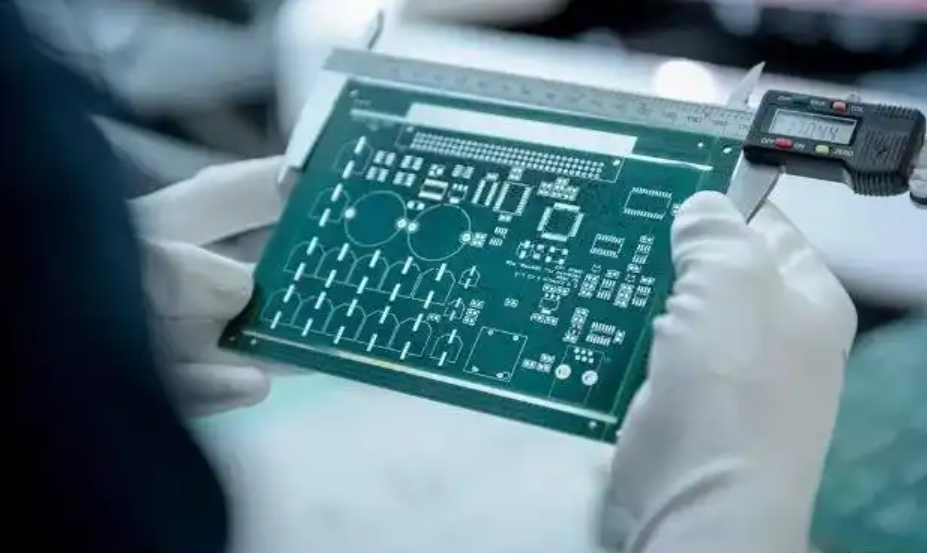
1. Understanding “Fingerprints”
First, let’s take a look at the components of a “fingerprint.” It mainly consists of the following elements:
- 水
- Inorganic salts (such as NaCl, etc.)
- Fats and Oils (Non-Mineral)
- Cosmetics and Skin Care Products
- Various types of contaminants touched by bare hands (or dirty gloves)
2. The Harm Caused by “Fingerprints” to PCBs
“Fingerprints” can pose the following risks during the PCB manufacturing process:
A. Oxidation of the copper surface: Touching the surface of a PCB with bare hands causes a chemical reaction in the copper within a very short time, resulting in oxidation of the copper surface. After a short while, visible fingerprints will appear on the copper surface, creating an uneven plating layer that seriously compromises the product’s appearance.
B. Solder Mask Issues: Touching a PCB with bare hands before applying solder mask may result in poor solder mask adhesion, causing the green solder mask to adhere poorly and making it prone to bubbling and peeling during the hot-air leveling process.
C. Poor solderability: If a gold-plated board is touched with bare hands at any point in the process—from solder mask application through to packaging—the board surface may become contaminated, leading to reduced solderability or even bonding defects.
D. Impact on Appearance and Quality: If fingerprint-like grease is present on the board surface when applying wet film or screen-printing circuits, or before lamination, it will reduce the adhesion of the dry/wet film. This may lead to plating leakage and coating delamination during electroplating, ultimately causing mottling and oxidation on the gold-plated surface, resulting in uneven coloration.
3. How to Avoid the “Fingerprint” Problem
To eliminate the problem of “fingerprints,” here are some key steps and recommendations:
A. Develop good operating habits: All employees are required to develop good habits when picking up and putting down boards to minimize unnecessary contact.
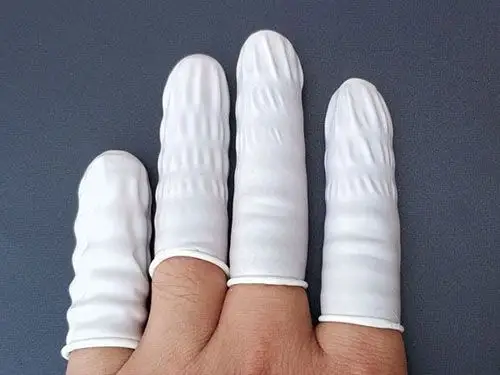
B. Provide gloves and finger cots: Employees should carry gloves and finger cots with them at all times so they can use them when needed.
C. Wear gloves: Be sure to wear gloves during any work process where gloves can be worn, including cloth gloves, rubber gloves, and finger cots.
D. Lead by example: Company management should lead by example, demonstrate the correct operating procedures, and encourage employees to follow them. Commit a simple mnemonic to memory, such as: “Hold the edges of the board with both hands, lift and place it level, use the palms as the axis, and rotate them in unison.”
By fostering proper operating habits and implementing the necessary protective measures, we can minimize the damage caused by “fingerprints” on PCBs and ensure the reliability and aesthetic quality of our products.
Frequently Asked Questions
1. What is the “fingerprint” problem?
“The ”fingerprint” issue refers to contamination and chemical reactions on the surface of a PCB caused by manual handling during the manufacturing process, which affect the quality and appearance of the PCB.
2. Why do “fingerprints” cause quality issues on PCBs?
“The substances contained in ”fingerprints” may react chemically with the materials on the PCB, leading to problems such as oxidation, reduced adhesion, and poor solderability.
3. Why should you wear gloves and finger cots?
Wearing gloves and finger cots can effectively reduce direct skin contact with the surface of PCBs, thereby preventing the occurrence of “fingerprints.”
4. Why is the “fingerprint” issue so important?
“The ”fingerprint" issue can lead to a decline in the visual quality of PCBs, affecting the performance and reliability of electronic products. Therefore, it is of great importance in PCB manufacturing.
5. How can we ensure that employees follow the correct operating procedures?
Company management should lead by example, demonstrate proper operating procedures, and provide training and education to ensure that employees understand how to operate equipment correctly and avoid “fingerprint” issues.
