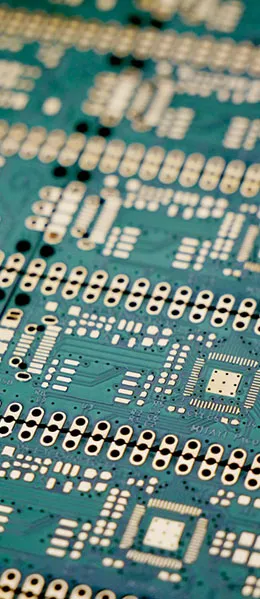
FPC is also known asFlexible Circuit Boards...is a highly reliable, exceptionally flexible printed circuit board made from a polyimide or polyester film substrate. Commonly referred to as flexible boards or FPCs, they are characterized by high wiring density, light weight, and thin profile. They are primarily used in a wide range of products, including cell phones, laptops, PDAs, digital cameras, and LCMs.

1. Basic Characteristics of Flexible Circuit Boards
Flexible circuits are compact and lightweight. In today’s cutting-edge electronic device assembly boards, flexible circuits are often the only solution that meets the requirements for miniaturization and portability. Flexible circuits are created by etching copper circuits onto a polymer substrate or by printing thick-film circuits onto a polymer substrate. For devices that are both thin and lightweight, with compact and complex structures, design solutions range from single-sided conductive traces to complex multilayer 3D assemblies. The total weight and volume of flexible assemblies are reduced by 70% compared to traditional round-wire harness methods. The strength of flexible circuits can also be increased through the use of reinforcing materials or backing plates to achieve additional mechanical stability. Flexible circuits can move, bend, and twist without damaging the conductors, and they can conform to various shapes and specialized package dimensions. Their only limitation is volumetric space constraints. Because they can withstand millions of dynamic bends, flexible circuits are well-suited for internal interconnect systems subject to continuous or periodic motion, becoming an integral part of the end product’s functionality.
2. Advantages and Benefits of Flexible Circuits
- Flexibility and Reliability of Flexible Circuits: There are four common types of flexible circuits: single-sided, double-sided, multilayer, and rigid-flex. Single-sided flexible boards offer the lowest cost when electrical performance requirements are not high and routing can be done on a single side, such as in printer inkjet cartridges and computer memory modules. Double-sided flexible boards are suitable for applications requiring a flexible design and versatile use. Multilayer flexible boards offer higher reliability, better thermal conductivity, and easier assembly. Rigid-flex boards, meanwhile, combine the advantages of rigid and flexible substrates and are suitable for applications with uneven component distribution.
- The Cost-Effectiveness of Flexible Circuits: Flexible circuits are a cost-effective choice when circuit layouts are complex, signal processing is extensive, and high electrical or mechanical performance is required. Although the cost of raw materials is relatively high, the overall assembly cost can be reduced due to their foldability, flexibility, and the ability to use multi-layer panelization.
- Cost Reduction for Flexible Circuits: In recent years, the price of flexible circuits has been falling, gradually approaching that of traditional PCBs. This is due to the introduction of new materials, improvements in manufacturing processes, and changes in structure. Technologies such as eliminating adhesives and using thinner copper layers have all helped reduce costs. At the same time, the importance of UL certification is growing, and flexible circuits are gradually expanding from military applications into the civilian and consumer markets.
3. Future Applications of Flexible Circuits
The flexible circuit industry is growing rapidly, particularly in the field of lead-free printed circuit boards. These circuits are already widely used in devices such as cell phones, laptops, and PDAs. As technology continues to advance, the demand for FPCs will continue to rise, and hybrid flexible circuits will become increasingly important. Flexible circuits will play an increasingly significant role, particularly in the field of miniaturized, high-performance, and low-cost electronic products.
The future of flexible circuits holds great promise, especially in today’s rapidly evolving electronics industry. Their reliability, flexibility, and cost-effectiveness make them an ideal choice for many applications. As technology continues to advance, we can expect to see even more innovations and applications that will expand the use of flexible circuits into new fields, opening up new possibilities for the design and manufacturing of electronic products.
Conclusion
FPC, as a representative of flexible printed circuits, offers outstanding reliability, flexibility, and cost-effectiveness, providing an ideal solution for the miniaturization and high performance of electronic products. Its advantages—including flexibility, reliability, cost-effectiveness, and continuously decreasing costs—have led to its widespread use in devices such as cell phones, laptops, and PDAs. With continuous technological advancements, the application prospects for flexible circuits will become even broader, bringing more innovation and possibilities to the electronics industry.
FAQs
- What is the difference between flexible circuits and rigid circuits? Flexible circuits are flexible and well-suited for miniaturized designs, while rigid circuits are typically used in larger electronic devices.
- How much do flexible circuits cost? The cost of flexible circuits depends on the complexity of the design, but prices have been gradually declining in recent years and are becoming increasingly comparable to those of traditional PCBs.
- In which fields are flexible circuits used? Flexible circuits are widely used in consumer electronics such as cell phones, laptops, and PDAs to meet the demands for miniaturization and portability.
- What are the advantages of flexible circuits? Flexible circuits offer the advantages of flexibility, reliability, and cost-effectiveness, making them suitable for a wide range of applications.
- What are the future trends for flexible circuits? The future of flexible circuits holds great promise; as technology advances, they will expand into even more fields, providing innovative solutions for electronic products.
Related Recommendations:A Detailed Explanation of the Surface Plating Process for FPC Flexible Printed Circuit Boards · A Detailed Explanation of the Solder Mask Process for FPC Flexible Printed Circuit Boards