

PCB Surface Treatment Based on Soldering, Contact, and Delivery Requirements
Compare OSP, tin plating, electroless gold, hard gold, electroless silver, electroless tin, and nickel-palladium-gold. Determine the process based on the component, connection method, thermal process, and storage conditions; avoid selecting a process based solely on color or price.
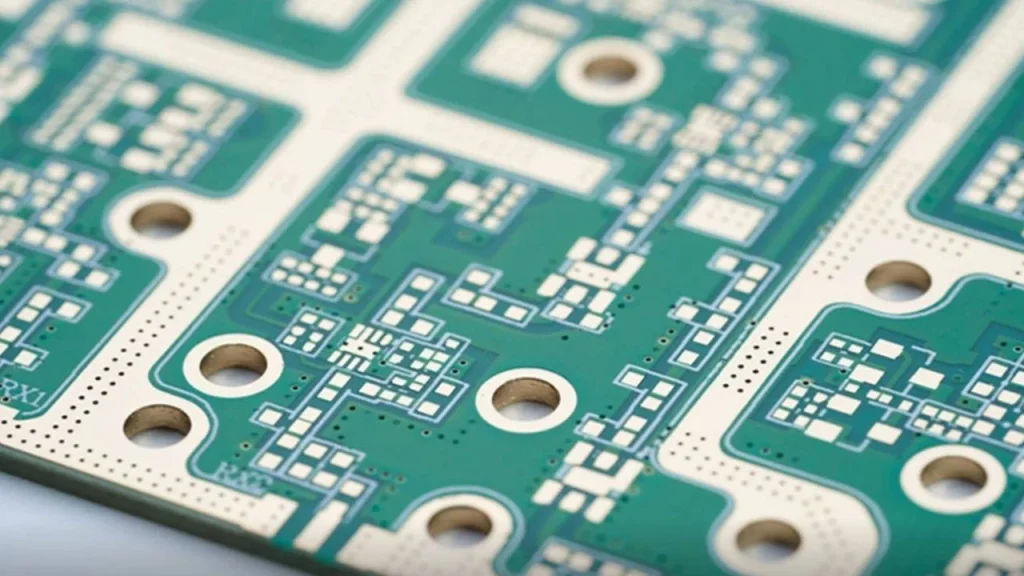
8 Processes: A Side-by-Side Comparison by Application
OSP Organic Solder Protection Film
OSP forms an organic protective film on the copper surface; the key considerations for selection are the soldering process, storage, and operating conditions.
Selection Considerations: Flat Pads and Cost-Sensitive Projects
Avoid touching, scratching, and uncontrolled cleaning; the number of recirculation cycles should be determined based on the specific chemical solution system and process validation.
Hard Gold and Golden Fingers
Hard gold plating is commonly used in contact areas; the specific plating scheme must be determined based on insertion/removal, friction, and structural requirements.
Selection Considerations: Connector Contact Surfaces and Gold Fingers
Since the wear resistance requirements for contact points differ from those for welding, the brazed areas, electrical connections, and edge treatment of the boards must be clearly defined.
Gold Plating (ENIG)
ENIG consists of a chemical nickel layer and an immersion gold layer, providing a smooth surface for the pads.
Selection Considerations: Assemblies with Fine Pitch and Stringent Pad Flatness Requirements
The quality of the nickel layer and the gold plating process must be controlled; electroless gold plating should not be treated as hard, wear-resistant gold, nor should it be assumed to be suitable for all wire bonding processes.
Lead-containing tin plating
Lead-containing HASL uses lead-based solder for hot-air leveling; be sure to clarify the product's material requirements before making a selection.
Selection Considerations: Identify Projects Where the Use of Lead-Containing Solder Is Permitted
Pad height consistency must be verified in conjunction with the device and assembly; materials must not be deemed compliant with product restrictions based solely on their names.
Lead-Free Solder Spraying
Lead-free HASL protects the soldered surface through solder coverage and hot-air leveling.
Selection Considerations: Standard Assembly and Cost Control Requirements
Thermal processes and surface flatness must be evaluated in conjunction with the spacing between panels and components; a single spacing threshold cannot be used to assess all designs.
Sunk Silver
Silver plating forms a layer of silver on the surface of copper; its suitability must be determined based on the welding, storage, and operating environments.
Selection Considerations: Welding areas requiring a flat surface
Avoid contamination and improper packaging; evaluate the impact of the environment on the surface condition; store under the agreed-upon conditions after opening.
Shen Xi
Tin plating forms a layer of tin on the copper surface; therefore, storage, thermal processes, and the final joining method must all be taken into account.
Selection Considerations: Flat Pads and Proven Crimping Applications
Focus on changes in the copper-tin interface over time and during thermal processes, as well as the project’s requirements regarding tin whiskers and reliability.
Nickel-Palladium-Gold ENEPIG
ENEPIG uses a composite layer of nickel, palladium, and gold and is suitable for projects requiring a comprehensive evaluation of both welding and bonding.
Selection Considerations: Packaging Requirements for Both Soldering and Wire Bonding
Verification must be performed based on actual bonding conditions, such as gold, copper, or aluminum wires; the palladium layer cannot serve as a substitute for controlling the overall process quality.
First, answer these three selection questions
What is the final connection?
Welding, crimping, wire bonding, and repeated insertion and removal place different demands on the surface, so a single board may require different treatments in different areas.
What is the assembly process?
Based on an evaluation of component spacing, pad flatness, reflow processes, cleaning, and rework requirements, no single process can guarantee all assembly results.
How are delivery and storage arranged?
Confirm the packaging, handling after opening, expected storage duration, and operating environment; the shelf life shall be determined based on the actual manufacturing process and agreed-upon conditions.
Please provide this information to confirm the actual process plan.
PCBs and Drawing Processing
Provide production documents, sheet materials, copper thickness, sheet thickness, as well as surface treatment areas and special structures.
Specifications and Acceptance
Specify the coating, thickness, or relevant process requirements, and confirm the inspection methods and applicable acceptance documents.
Quantity and Delivery
Quantity to be submitted, desired delivery date, packaging and storage requirements; specify material restrictions and the supporting documents to be provided.
Frequently Asked Questions
Which surface treatment is best?
There is no one-size-fits-all solution for all projects. First, distinguish between welding, contact, and wire bonding applications, then consider assembly, storage, and cost factors.
Can I place an order directly for any of the processes listed on this page?
Please submit documentation confirming current availability, processing areas, thickness, and inspection requirements; specific combinations are subject to engineering review.
Can these be applied based on a fixed retention period or coating thickness?
One cannot make blanket statements. Specifications should be clearly defined based on the manufacturing process, product requirements, packaging, and storage conditions, and reference values should not be used as acceptance criteria for all items.
Processing Guidelines:Eurocircuits Surface Treatment Selection Guide · Atotech Surface Treatment Technologies. Specific manufacturing and acceptance requirements shall be governed by the documents confirmed by both parties.
Tailor the surface treatment to your product requirements
Shenzhen Jingpeng Electronics | Submit production documentation and assembly requirements; confirm the manufacturing process, delivery, and inspection plans.
