

Those new to the electronics manufacturing industry may be confused about the terms “PCBA” and “PCB,” or even mistake them for the same concept. To help you quickly distinguish between them and avoid unnecessary confusion, we’ll now explain the difference between a PCB and a PCBA.
1. What is a PCB?
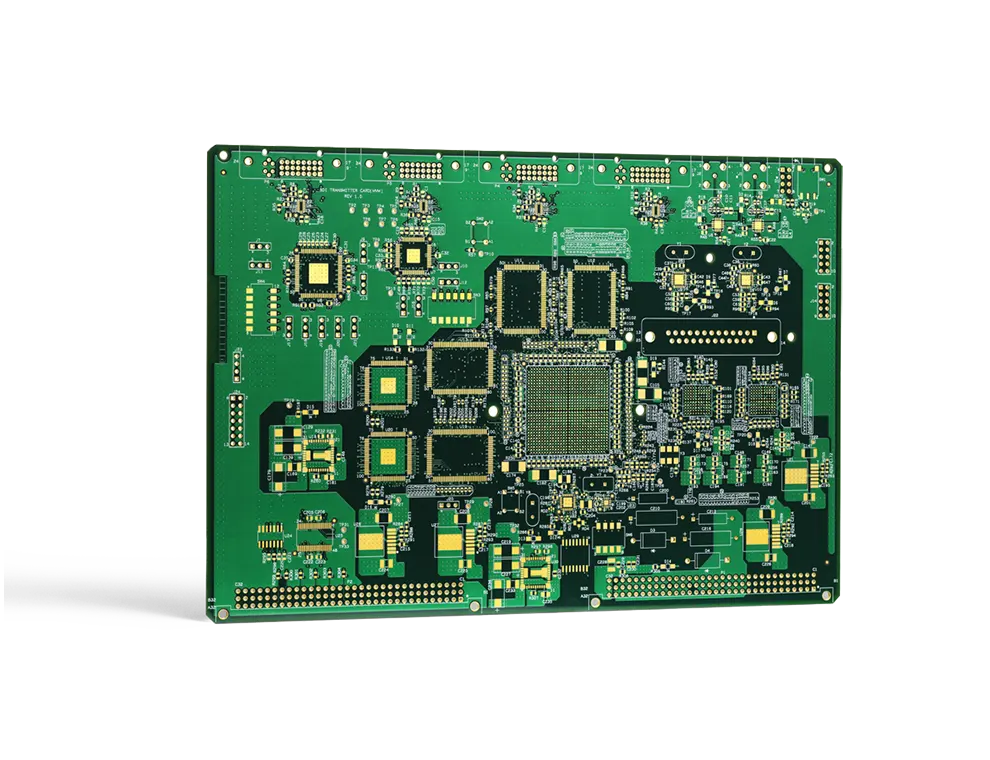
PCB, which stands for Printed Circuit Board, is also known in Chinese as a circuit board, wiring board, or printed wiring board, among other terms, and is a key component in electronics manufacturing. A PCB is designed as a flat plate, typically made of insulating material, with conductive traces and connection points laid out on its surface. The layout of these conductive traces and connection points is designed to meet the requirements of electronic components; they support the components and enable connections between them.
2. What does PCBA stand for?
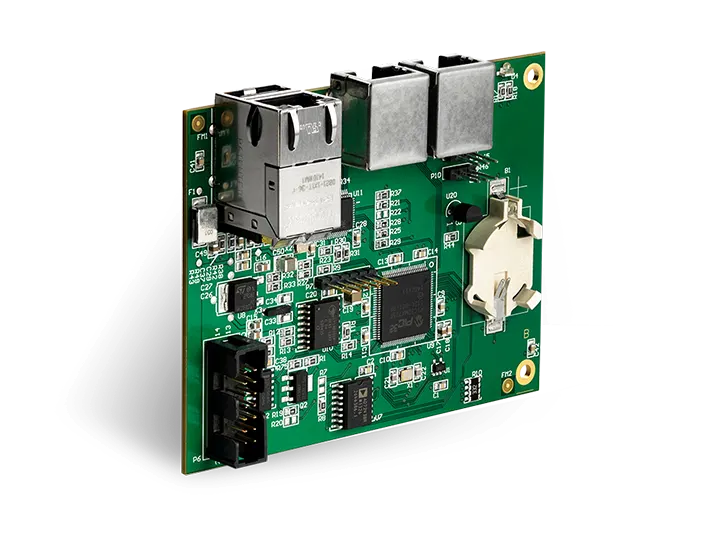
PCBA, which stands for Printed Circuit Board Assembly, is also commonly referred to as PCB Assembly overseas. PCBA is the next step in the PCB manufacturing process; it involves subjecting a blank PCB board to a series of manufacturing steps—including SMT assembly, DIP insertion, and testing—to ultimately produce a finished product. This finished product is no longer a blank board, but rather a functional circuit board mounted with various electronic components, such as resistors, capacitors, and chips. In fact, the core components of nearly all electronic products consist of PCBA.
3. The Difference Between PCBA and PCB
To understand the difference between a PCBA and a PCB, the most important factor is their state and function:
- A PCB is a blank board with no electronic components mounted on its surface; it consists only of conductive traces and connection points.
- PCBA involves processing and assembling a blank PCB to mount various electronic components, thereby creating a circuit board with specific functions.
PCBs provide the foundation for mounting electronic components, while PCBA assembles these components so they can work together to enable the functionality of electronic products. Therefore, although their names may be similar, there are clear differences between them in practical applications.
Frequently Asked Questions
1. What is the main difference between a PCB and a PCBA?
The main difference lies in their state and functionality. A PCB is a blank board with no electronic components mounted on it—only conductive traces. A PCBA, on the other hand, is a PCB with electronic components mounted on it, forming a circuit board with specific functionality.
2. Why is PCBA more important than PCB?
A PCBA consists of a PCB with electronic components mounted on it. These components give the circuit board specific functions, enabling it to perform its tasks. Therefore, PCBA plays a crucial role in electronics manufacturing, as it forms the core of nearly all electronic products.
3. What are some common applications of PCBs and PCBA in electronics manufacturing?
PCBs are typically used to support and connect electronic components, while PCBA is widely used in electronic products—such as cell phones, televisions, and computers—to enable their functionality.
4. Can we manufacture PCBs and PCBA units ourselves?
Manufacturing PCBs typically requires specialized circuit design and manufacturing equipment, while manufacturing PCBA requires additional processes and equipment, including surface-mount placement machines and soldering equipment. Therefore, PCBs and PCBA are usually produced by specialized manufacturers.
5. How do you choose the right PCB or PCBA manufacturer?
Selecting the right manufacturer requires considering multiple factors, including quality, cost, and lead time. It is best to choose a manufacturer based on your project’s requirements and budget. As a professional PCB manufacturer, Jingpeng Electronics recommends that you contact us for prototyping and trial production.
