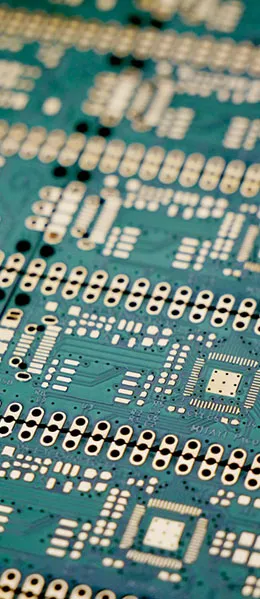
Electrolytic copper plating is the most widely used pre-coat to improve the adhesion of the plating layer. Copper plating is an essential component of copper/nickel/chromium protective and decorative plating systems. A flexible, low-porosity copper coating plays a crucial role in improving interlayer adhesion and corrosion resistance. Copper plating is also used for localized carbon-resistant areas, metallization of PCB vias, and the surface coating of printing rollers. After chemical treatment, a colored copper layer coated with an organic film can also be used for decorative purposes. This article will introduce common issues and solutions in the copper plating process for high-frequency circuit boards.
Frequently Asked Questions About Acidic Copper Plating
Copper sulfate electroplating plays an extremely important role in the electroplating of high-frequency circuit boards. The quality of acid copper plating directly affects the quality of the copper plating layer and its associated mechanical properties, and also has a certain impact on subsequent processing. Therefore, controlling the quality of acid copper plating is a critical aspect of high-frequency circuit board plating and is also one of the processes that many large manufacturers find difficult to control.
1. Bulk Plating
Rough edges on circuit boards are usually caused by high electroplating current. You can reduce the current and use a clamp meter to check for abnormal current readings; Roughness across the entire board is generally uncommon, but I once met with a client where it was later discovered that the issue stemmed from insufficient polishing due to low winter temperatures; additionally, sometimes the surface of a board with peeling film after rework was not cleaned thoroughly.
2. Copper particles on the electroplated sheet
There are many factors that can cause copper particles to form on high-frequency circuit boards; they can occur at any stage of the electroplating process, from copper deposition to pattern transfer. The author has encountered copper particles on the surface of Rogers circuit boards caused by copper electroplating at a large state-owned factory.
Copper particles on the board surface resulting from the copper plating process may be caused by any step in the copper plating procedure. Alkaline degreasing not only causes surface roughness on the board but can also lead to roughness inside the holes when water hardness is high or there is excessive drilling dust (especially on double-sided PCBs that have not undergone residual adhesive filtration).
There are several possible causes of micro-etching: the hydrogen peroxide or sulfuric acid used as the micro-etching agent is of poor quality, or the ammonium persulfate (sodium persulfate) contains excessive impurities. It is generally recommended that the micro-etching agent be at least CP grade; industrial-grade agents can cause additional quality issues.
Soak the anode bags successively in sulfuric acid, hydrogen peroxide, and an alkaline solution to clean them thoroughly. In particular, use PP filter bags with a pore size of 5–10 micrometers for the anode bags.
3. Electroplating Tank
This defect also leads to numerous processing steps, ranging from copper plating and pattern transfer to pretreatment for electroplating, copper plating, and tin plating. The primary cause of copper plating defects is the failure to thoroughly clean the copper plating baskets over an extended period. During micro-etching, contaminated solution containing palladium and copper drips from the baskets onto the board surface, causing contamination. When the electroless copper-plated board is energized, this results in localized electrical leakage, known as pitting.
4. High-frequency circuit boards appear whitish or have uneven coloring
The following factors may contribute to acidity in a copper electroplating tank: the air hose has shifted from its original position, resulting in uneven air agitation; the filter pump is leaking air, or the liquid inlet is drawing in air near the blower hose, causing tiny bubbles to adhere to the plate surface or along the edges of the lines—particularly along horizontal edges and corners; Additionally, another possible cause is the use of low-quality cotton wicks that have not been thoroughly treated; the antistatic agents used in the manufacturing process of these wicks may have contaminated the bath solution, leading to plating defects. In such cases, increase the airflow and promptly remove any foam from the solution.
This article summarizes some common issues in the acid copper plating process. At the same time, the acid copper plating process is widely used because of its simple basic composition, stable solution, and high current efficiency; with the addition of appropriate brighteners, it can produce deposits with high brightness, high flatness, and high plating capacity.
The selection and use of acidic copper brighteners are also key factors affecting the quality of acidic copper plating. Therefore, we hope that all staff members will gain experience through their daily work—not only identifying and resolving problems, but also fundamentally improving technical proficiency through innovation.
Frequently Asked Questions
1. Why do copper particles appear on high-frequency circuit boards?
The presence of copper particles on high-frequency circuit boards may be caused by various factors, including the copper plating process, impurity contamination, and process parameters. These copper particles may affect the performance and quality of the circuit board.
2. How can the problem of whitening or uneven coloring on high-frequency circuit boards be resolved?
To resolve issues such as whitening or uneven coloring on high-frequency circuit boards, it is important to pay attention to the maintenance and cleaning of the acid copper plating bath, ensure the bath solution is of good quality, and take appropriate measures to minimize the effects of bubbles and contaminants.
3. Why do plating pits appear on high-frequency circuit boards?
Pitting in electroplating may be caused by the copper deposition process, the pretreatment process, or impurity contamination. Maintaining the cleanliness of the bath solution and ensuring precise process control can help reduce the occurrence of pitting.
4. How can thick plating on high-frequency circuit boards be prevented?
To prevent coarse plating on high-frequency circuit boards, the plating process can be controlled by reducing the current density, checking for abnormal current levels, and increasing the operating temperature, while ensuring that the board surface is clean.
5. Why do pitting marks appear on high-frequency circuit boards?
Pitting on high-frequency circuit boards may be caused by factors such as contamination, impurities, or bubbles during the electroplating process. By maintaining the quality of the electroplating bath and controlling process parameters, the occurrence of pitting can be reduced.