

RF (radio frequency) technology spans a wide range of applications, including handheld devices, base stations, remote control devices, Bluetooth devices, wireless communication capabilities in computers, numerous consumer electronics, and military and aerospace systems.
For many years, RF design has required professional designers to use specialized tools to complete the work.
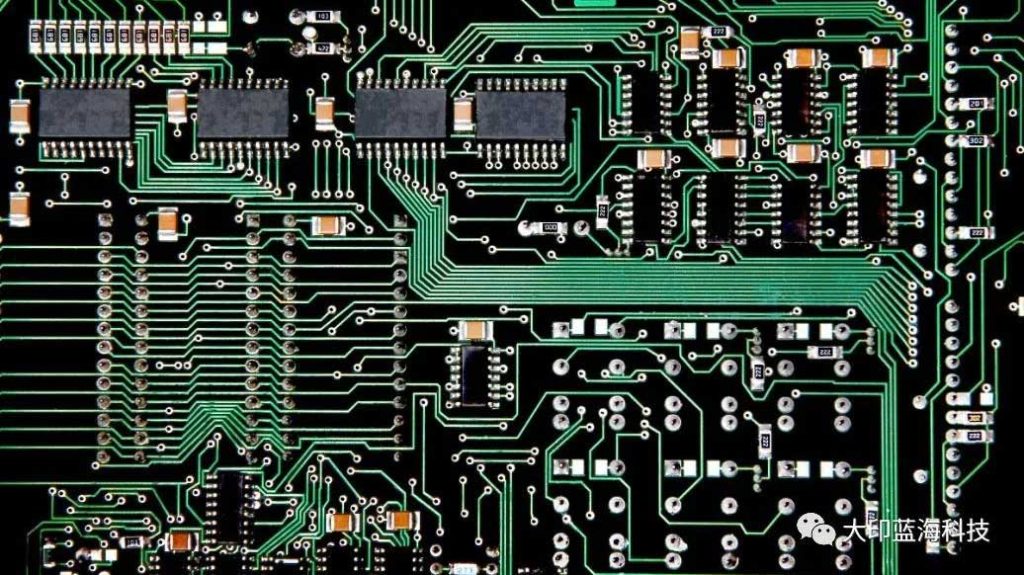
Traditional RF design processes are inefficient; they typically require designing RF circuits separately from the rest of the mixed-technology PCB, which often leads to frequent revisions and the use of different databases.
1. Traditional RF Design Process
In traditional RF design workflows, RF designers typically work in an environment separate from the PCB system design. They design RF circuits independently and then integrate them into the main PCB, a process that often requires multiple rounds of revisions and the use of ASCII interfaces for data management and synchronization. This isolated design approach limits overall design efficiency.
2. RF-Sensitive PCB Design
To address the challenges in traditional RF design workflows, Mentor Graphics has developed RF-aware PCB design technology. This technology integrates PCB schematic and layout tools with RF design and simulation tools to overcome the limitations of traditional RF design. This new solution offers the following key features:
- RF design tools understand the structure of PCB layouts, ensuring design consistency.
- The PCB system supports parametric planar microwave components for RF circuits.
- RF circuits can be transferred between tools without losing the design intent, enabling rapid simulation and analysis.
- RF-aware DRC ensures design accuracy and is particularly critical for complex RF system designs.
3. A New Integrated Design Process
The new integrated design process is based on web-based tool-to-tool communication, combining RF design with system-level PCB design through dynamic bidirectional links. Multiple engineers can simultaneously access the same design database and link multiple simulation modules.
This makes the design and synthesis of RF circuits more flexible and efficient. Each RF circuit can be managed as an object, providing traceability, version control, and ease in resolving design issues.
4. Advantages and Future Trends
This new integrated design process offers many advantages. First, it improves design efficiency and consistency, reducing the need for iterative revisions. Second, by simulating the RF module in a real PCB environment, its functionality can be better verified, thereby shortening the design cycle.
As the use of RF circuits in products continues to grow, this integrated design process will become even more important in the future.
Frequently Asked Questions (FAQs)
1. What is RF technology?
RF technology, or radio frequency technology, is a technology used to process radio frequency signals in wireless communications and electronic devices.
2. What are the problems with the traditional RF design process?
Traditional RF design processes are inefficient; they typically require designing RF circuits separately from the rest of the mixed-technology PCB, which often leads to frequent revisions and the use of different databases.
3. What are the advantages of RF-aware PCB design?
RF-Aware PCB design integrates RF design with PCB design, improving design efficiency and consistency while supporting parametric planar microwave components and RF-aware DRC.
4. How does the new integrated design process improve design efficiency?
The new integrated design process combines RF design with system-level PCB design through dynamic bidirectional links, making the design more flexible and reducing the need for iterative revisions.
5. What are the future trends in RF technology?
In the future, RF technology will continue to play a key role in wireless communications, consumer electronics, and the military sector, requiring more efficient design and integration technologies to meet growing demand.
