

If you use PCBA electronic devices, it is important to develop a strategy to help you mitigate the risks associated with counterfeit electronic components and to detect these counterfeit components early if your devices are compromised.
To ensure the success of your project, you need to use high-quality, consistent, and genuine electronic components, and you should know how to identify counterfeit electronic components—or work with partners who can help you identify and mitigate these risks.
This article will explore technical methods for identifying and removing counterfeit electronic components from PCBA electronic products.
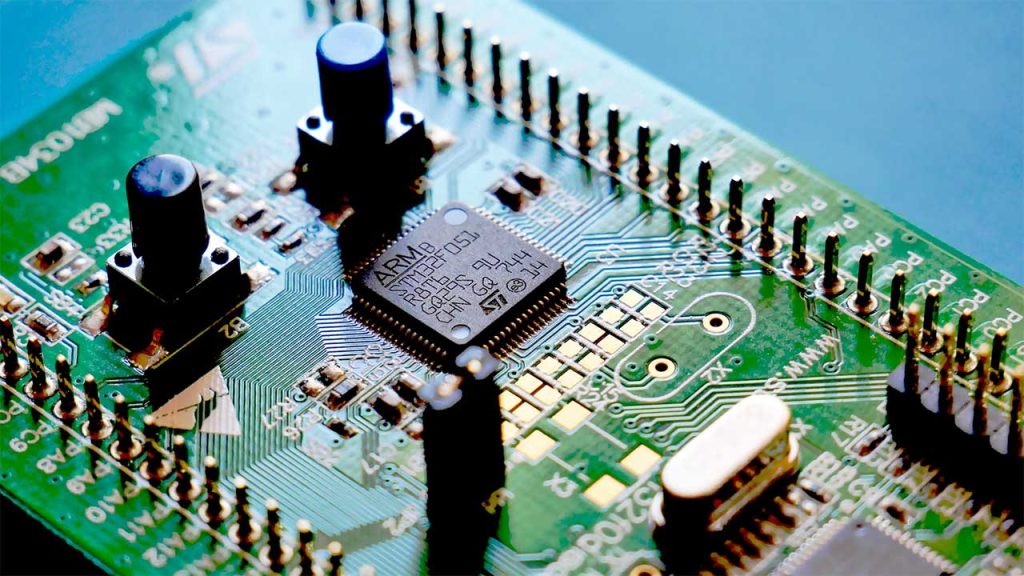
Why Do Counterfeit PCBA Electronic Components Cause Problems?
The Importance of Printed Circuit Boards
Even seemingly insignificant parts can have a serious impact on the integrity of the equipment. If certain components are damaged or fail to perform as expected, it could lead to safety and performance issues.
The main problem with counterfeit electronic components is that their quality is far inferior to that of genuine components, making them more prone to failure.
Although they are inexpensive, you may end up paying a higher price for using them, because their manufacturers try to pass them off as legitimate, high-quality parts.
Safety Issues
Products containing counterfeit electronic components may pose serious safety hazards. If these counterfeit components fail, they could cause harm to users.
In addition, this may cause the product to malfunction, thereby indirectly compromising user safety due to the use of counterfeit parts.
For example, counterfeit products may cause short circuits, which can lead to serious consequences such as fires. This not only has a negative impact on the company’s reputation but can also result in catastrophic consequences.
Electronic components are essential elements in a number of industries, including aerospace, healthcare, defense, and PCBA circuit board manufacturing.
In these industries, equipment failures can have serious consequences.
For example, if medical devices fail to function properly because they contain counterfeit circuits and other electronic components, they may provide inaccurate diagnostic results, leading to incorrect medical treatment and potentially even directly endangering patients’ lives.
Similarly, if counterfeit electronic components are used in aerospace parts, this could lead to serious flight safety issues and endanger the lives of pilots and crew members. No one wants to use a cell phone that might explode.
Since the source of counterfeit electronic components cannot be determined, they cannot be relied upon to function reliably.
Counterfeit electronic components typically fail to meet safety standards and may therefore pose potential safety risks to company employees, customers, and others who come into contact with them.
Decline in performance
Even if counterfeit electronic components do not cause safety incidents, they may still lead to a decline in the performance of the final product.
PCBA products may experience complete failure or fail to meet expected performance and efficiency levels. If employees use equipment containing counterfeit components, this could reduce production efficiency and performance.
In addition, if end users end up using products containing counterfeit components, they may be dissatisfied with the products' performance.
Although these electronic components are only a part of the product, they have the potential to have a long-term negative impact on the product’s performance and could even permanently damage the company’s reputation in the eyes of its customers.
Counterfeit electronic components pose a serious threat to the PCBA electronics manufacturing industry and end users. To ensure product performance, safety, and reliability, both manufacturers and users must take measures to identify, eliminate, and prevent the use of counterfeit electronic components.
This includes partnering with trusted suppliers, using high-quality, genuine electronic components, and implementing comprehensive quality control and testing throughout the project. Ultimately, only by ensuring the use of genuine electronic components can we guarantee the performance of electronic products and user safety.
Frequently Asked Questions
1. How dangerous are counterfeit electronic components?
Counterfeit electronic components are extremely dangerous because they can cause product performance issues, safety risks, and reduced efficiency. These problems can have serious consequences for users and businesses.
2. How can you identify counterfeit electronic components?
Identifying counterfeit electronic components requires comprehensive control over the supply chain, partnering with trusted suppliers, and using high-quality, genuine electronic components. In addition, implementing comprehensive quality control and inspection measures is also crucial.
3. Which industries are threatened by counterfeit electronic components?
Counterfeit electronic components may pose a threat to multiple industries, including aerospace, healthcare, defense, and electronics manufacturing, as these sectors have extremely high requirements for product performance and safety.
4. How can you protect yourself from the threat of counterfeit electronic components?
To protect yourself from the threat of counterfeit electronic components, you should carefully select your suppliers, use high-quality electronic components, and implement comprehensive quality control measures. In addition, working with professional partners can help you better address this issue.
5. Could counterfeit electronic components have a negative impact on the company's reputation?
Yes, counterfeit electronic components can have a negative impact on a company’s reputation, as these components may cause product performance issues and safety risks, thereby damaging the company’s reputation in the eyes of its customers.
