

This blog will take an in-depth look at the wide range of applications for printed circuit boards (PCBs) in the medical industry. As a key component of electronic technology, PCBs play a crucial role in the medical field. From the design and manufacturing of medical devices to the support of medical information systems, the applications of PCBs continue to expand, bringing numerous innovations and advancements to the medical industry. This blog will introduce the applications of PCBs in medical devices, patient monitoring, and medical information systems, as well as the advantages and challenges they present.
The healthcare sector is different from what it used to be; technological advancements have completely transformed the industry. This transformation is most evident in electronic diagnostic, research, and treatment systems and tools. Every day, sophisticated electronic devices and instruments are introduced to streamline various medical procedures.
This growth has greatly benefited the circuit board industry, as new inventions would be impossible without PCBs. To meet the evolving needs of medical device and diagnostic equipment manufacturers, today’s PCB manufacturers transform extremely simple components into highly complex printed circuit boards.
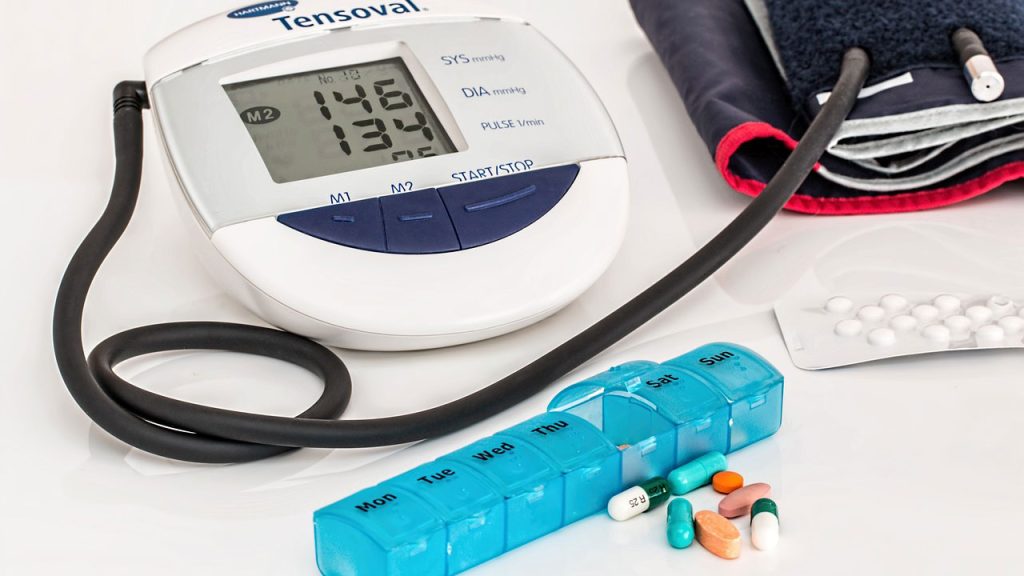
PCB manufacturers use specialized high-speed laminates, copper and aluminum substrates, ceramics, and coatings to ensure these boards are ideally suited for medical applications.
Based on their applications in medical devices and medical monitoring and diagnostics, PCBs are primarily divided into the following three major categories:
Applications in Medical Devices
- CT Scanning System
- Magnetic Resonance Imaging (MRI) Scanning System
- X-ray Computed Tomography (CT) Scanning System
- Ultrasonic Equipment
- Laser Therapy Device
- Pacemaker Analyzer
- Electromyography System
- Nerve Stimulation Device
- Level Controller
Applications in Medical Monitoring and Diagnosis
- Electrocardiogram
- ECG Monitor
- Blood Glucose Meter
- Blood Pressure Monitor
- Thermometer
- Digital Cell Counter
- Digital Temperature Monitor
- ENT Diagnostic Device
Applications in Healthcare Information Systems
- Medical Data Transmitter
- Infusion Control
- Peristaltic Infusion Technology
- Gas Analyzer
- Gas Chromatograph
Challenges Faced by PCBs in the Medical Industry
- High Reliability Requirements: The safety and reliability of medical devices are of the utmost importance. PCBs play a critical role in medical devices and must therefore meet extremely high reliability standards. For certain critical medical devices, such as pacemakers or monitoring equipment, PCBs must possess outstanding stability and immunity to interference to ensure long-term operation and accurate data acquisition.
- Compliance with Medical Standards: The medical industry imposes strict standards and specifications on equipment, including electromagnetic compatibility and biocompatibility. PCB manufacturers must ensure that their products comply with relevant medical standards to meet regulatory requirements and safeguard the safety of patients and healthcare professionals.
- Miniaturization and High-Density Design: Medical devices are becoming increasingly compact and portable, requiring PCBs to accommodate high-density circuit designs within limited space. This poses a challenge for PCB designers, as they must fit more functions and components into a limited space while maintaining circuit stability and reliability.
- Cleanability and Corrosion Resistance: Medical devices typically require frequent cleaning and disinfection, especially in operating rooms and emergency settings. PCBs must have good corrosion resistance to withstand the effects of chemicals used during the cleaning process while maintaining their circuit performance.
- Integration of New Technologies: The healthcare industry is constantly adopting new technologies and innovations, such as the Internet of Things, artificial intelligence, and telemedicine. PCBs must adapt to the integration of these new technologies to ensure the efficient operation of equipment and the reliability of data transmission.
- Balancing Cost and Efficiency: The research, development, and manufacturing of medical devices involve high costs, and since PCBs are a key component of these devices, a balance must be struck between cost and efficiency. PCB manufacturers need to find ways to reduce costs while ensuring product quality in order to meet the needs of medical device manufacturers.
Faced with these challenges, PCB manufacturers and designers must continuously innovate and improve their technical capabilities, constantly seeking new solutions to meet the evolving needs of the medical industry. At the same time, strengthening collaboration and communication with medical device manufacturers to gain a deeper understanding of their needs and pain points is also key to addressing these challenges.
Future Directions
- High Integration and Multifunctionality: As medical devices continue to evolve, PCBs will continue to move toward greater integration and multifunctionality. By integrating more functional units and sensors onto PCBs, it is possible to develop smaller, lighter medical devices, thereby improving patient comfort and portability.
- Flexibility and Bendability: Future PCB materials and manufacturing processes will evolve toward greater flexibility and bendability, enabling PCBs to meet the needs of medical devices with a wider variety of shapes and curved surfaces. Flexible PCBs will also be better suited for use in wearable medical devices, offering more convenient monitoring and treatment options.
- High-Frequency and High-Speed Transmission: Some advanced medical devices, such as high-frequency imaging equipment or high-speed data transmission systems, place higher demands on the signal transmission speed and stability of PCBs. In the future, PCBs will continue to undergo design and material improvements to meet these high-frequency and high-speed transmission requirements.
- Smart Technology and IoT Connectivity: With the advancement of Internet of Things (IoT) technology, future PCBs will increasingly incorporate smart features and IoT connectivity. Medical devices will be capable of remote monitoring and data transmission, allowing healthcare professionals to access patient data in real time via the Internet and provide more precise medical services.
- High Reliability and Low Power Consumption: In the medical industry, equipment reliability and power consumption are critical considerations. In the future, PCBs will continue to improve their reliability and reduce power consumption to meet the requirements for long-term, stable operation of medical devices and extended battery life.
- Environmental Protection and Sustainable Development: In the future, PCB manufacturing will place greater emphasis on environmental protection and sustainability. This will involve using eco-friendly materials and green manufacturing processes to reduce waste and emissions of hazardous substances, thereby minimizing the impact on the environment.
In the future, the development of PCBs in the medical industry will focus increasingly on high integration, flexibility, intelligence, and sustainability. Through continuous innovation and technological advancement, PCBs will bring enhanced functionality and performance to medical devices, contributing even more technological strength to the development of the medical industry. At the same time, PCB manufacturers must work closely with medical device manufacturers to jointly drive technological innovation and progress in the medical industry.
