

A surface-mount placement machine, also known as a placement machine, is used to precisely place various electronic components onto the surface of a printed circuit board (PCB). This article will explore in detail the uses of surface-mount placement machines and related key points.
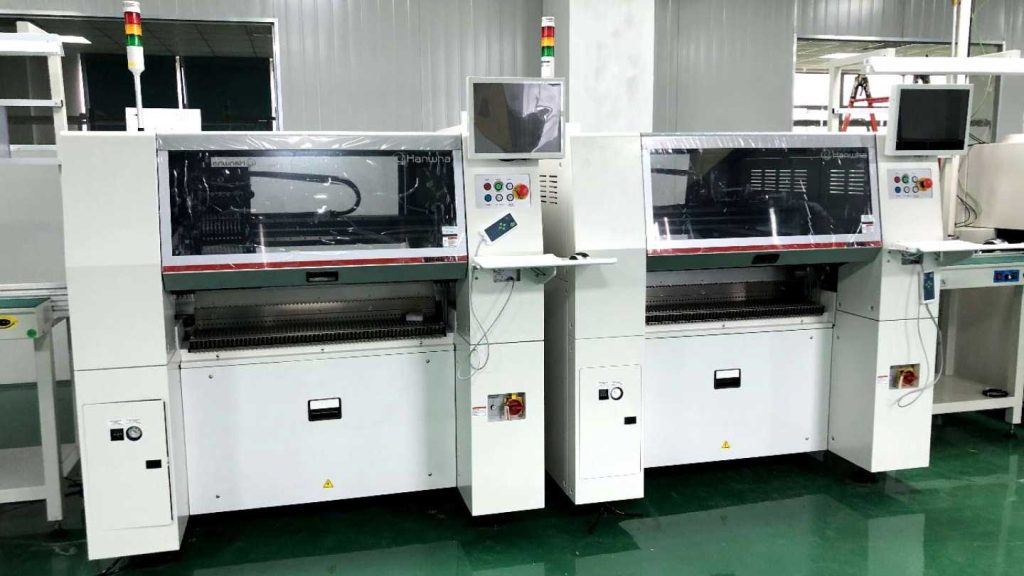
What is a surface-mount placement machine?
A surface-mount placement machine is an automated device designed to quickly and accurately mount electronic components onto a PCB. These components can include resistors, capacitors, diodes, integrated circuit chips, and more. A surface mount machine works by using a machine vision system to detect and locate the positions of components on the PCB, then uses a nozzle to pick up the components from the feeder and place them precisely onto the PCB.
Uses of a Surface Mount Machine
1. Production Efficiency
A surface-mount placement machine can install a large number of components in a very short amount of time. This improves production efficiency, particularly in large-scale electronics manufacturing. The machine's speed is typically measured in ”100,000 parts per hour.”
2. Accuracy
Surface-mount machines achieve a high degree of precision through the use of machine vision systems. This ensures that components are placed in exact positions, guaranteeing the proper functioning of the circuit board. The machines are also capable of detecting damaged components, thereby improving the quality of electronic products.
3. Adaptability
One of the key features of surface-mount placement machines is their versatility. They can handle a wide variety of component types, ranging from tiny 01005-sized components to large 150-millimeter connectors. In addition, they can handle complex components such as ball grid arrays (BGAs) and power packaging devices.
4. Automation
Surface-mount machines automate the placement of electronic components. This reduces the need for manual labor, minimizes the risk of human error, and speeds up the manufacturing process. The automated placement of electronic components also improves consistency, as machines do not experience fatigue or make mistakes.
Key Points
When selecting and using a surface-mount placement machine, there are several key points to consider:
Circuit Board Design
PCB design affects the component placement process. Determining panel dimensions, positioning the tape, and establishing correct reference marks are all key factors. In addition, the dimensions and positioning of the assembly must be taken into account to ensure that components are placed correctly.
Choosing a Nozzle
The choice of nozzle type depends on the component to be placed. Different components may require different types of nozzles, such as vacuum nozzles or gripper nozzles. It is very important to check the condition of the nozzles regularly to prevent parts from sticking or becoming misaligned.
Visual System
Machine vision systems ensure the accuracy and consistency of components. Correct programming parameters and tolerance specifications are critical for each component to ensure proper placement and inspection.
PCB Bracket
The design of the mounting brackets is critical for supporting the PCB and preventing warping and irregularities. The support system should be flexible to accommodate various PCB sizes.
Component Supply
SMT placement machines typically use a variety of feeders, such as tape-and-reel, tubes, and trays. Feeding components can be more challenging during small-batch assembly, but short-tape feeding can provide a solution.
SMT placement machines play an indispensable role in electronics manufacturing, improving production efficiency, precision, and quality. Proper selection, setup, and maintenance of SMT placement machines are critical to ensuring a successful electronics manufacturing process.
Frequently Asked Questions
1. What are the main functions of a surface-mount placement machine?
The primary function of a surface-mount placement machine is to precisely mount electronic components onto the surface of a printed circuit board, thereby improving production efficiency and product quality.
2. What is the placement speed of a pick-and-place machine?
The speed of a surface-mount machine is typically measured in ”100,000 parts per hour,” but the speed may vary depending on the machine type and model.
3. Why is the accuracy of a pick-and-place machine important?
The precision of the surface-mount placement machine ensures that components are placed in the correct positions, thereby guaranteeing the proper functioning of the circuit board and improving product quality.
4. How do placement machines adapt to different types of components?
Surface-mount machines can accommodate a wide variety of component types, ranging from tiny components to large connectors, as well as complex components such as ball grid arrays (BGAs) and power packaging devices.
5. Why is automation important for surface-mount machines?
The automation of surface-mount machines reduces the need for manual labor, lowers the risk of human error, speeds up the manufacturing process, and improves consistency and production efficiency.
