

The printed circuit board (PCB) manufacturing process involves two different processing methods: dry film and wet film. This article will explore the characteristics of these two film types to help you understand the best choice for different situations.
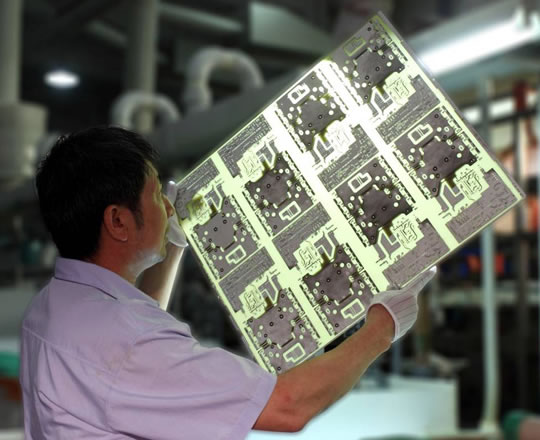
1. Wet Film Process
The wet film process is a common PCB manufacturing method in which a wet film is applied to the entire circuit board, and the circuit is then defined through photolithography and etching. The main advantages of the wet film process include:
- The price is relatively low: The cost of preparing a wet film is relatively low, making it the preferred choice for some PCB manufacturers.
- Suitable for fine lines: Wet film performs exceptionally well when processing fine lines. This makes it very useful in the manufacturing process of some high-density PCBs.
- High accuracy: Wet films offer relatively high precision and are less prone to problems such as film jamming.
However, wet films also have some drawbacks:
- Do not flood the holes: Wet film cannot be used in processes involving submerged holes; this may require consideration of support points in the design.
- Prone to film jamming: The wet film is relatively thin, so it is prone to getting caught during plating, which can be a problem for high-precision boards.
2. Dry Film Process
The dry film process is another common PCB manufacturing method that uses a dry film as a resist and then employs photolithography and etching to define the circuit. The main advantages of the dry film process include:
- Easy to use: Dry films are easier to handle than wet films and are particularly well-suited for automated production lines.
- Stable performance: Dry film has relatively stable properties and is easy to control, which reduces complications in the manufacturing process.
- Capable of flooding the hole: Dry film can be used in the process for flooding holes; it offers high precision and is less prone to film jamming.
However, dry films also have their drawbacks:
- The price is on the high side: The cost of producing dry film is relatively high, which may increase the total manufacturing cost of PCBs.
- It's better to use a wet film process for fine lines.: When working with fine lines, dry film may not perform as well as wet film.
- It is difficult to control the entry of the oil film into the holes: Dry film may require more control when the oil film enters the holes to ensure process stability.
3. How do I choose?
The decision between a wet-film and a dry-film process should be based on a comprehensive evaluation of the specific circumstances. Here are some recommendations:
- Cost Factors: If cost is the primary consideration, a wet film may be the better choice, especially for large-scale production.
- Fine-Line Requirements: If your design includes fine lines, a wet film may be more suitable.
- Ease of Use: If you want to simplify the process and make it easier to use, dry film may be a better choice.
Ultimately, the choice between wet-film and dry-film processes depends on your specific needs and manufacturing conditions. Different PCB manufacturers may make different choices based on their own circumstances.
Frequently Asked Questions
1. What is the PCB manufacturing process?
The PCB manufacturing process refers to the techniques and methods used to produce printed circuit boards, including steps such as film selection, photolithography, and etching.
2. Why is the wet film process less expensive?
The wet film process has a lower production cost because the wet film itself is relatively inexpensive and the manufacturing process is relatively simple.
3. What is the flood-gate process?
The through-hole process is a method of connecting circuits on different layers by filling the holes in a circuit board with conductive material.
4. In what ways does the dry film process excel?
The dry film process excels in terms of ease of operation and performance stability, making it particularly well-suited for large-scale production.
5. How can costs be reduced in the PCB manufacturing process?
Cost reduction can be achieved by selecting appropriate manufacturing processes, materials, and techniques, and by making informed decisions based on specific circumstances.
