

Nickel-gold plating is a key process in PCB surface treatment; however, during PCB production, manufacturers sometimes encounter issues where nickel-gold-plated boards fail to accept solder. This can have a negative impact on the quality and efficiency of electronics manufacturing. In this article, we will delve into the possible causes of poor solderability on nickel-gold-plated PCBs, as well as the adjustments and solutions that PCB manufacturers can implement.
1. Introduction to Nickel-Gold Electroplating
Electrolytic nickel-gold plating is a common PCB surface treatment used to improve the reliability and corrosion resistance of circuit boards. This process involves coating the PCB with a layer of nickel, followed by electroplating a layer of gold on top of it. However, in some cases, nickel-gold-plated boards may experience problems with solder wetting, which can be caused by a variety of factors.
2. Reasons Why Tin Does Not Adhere to Nickel-Gold-Plated Boards
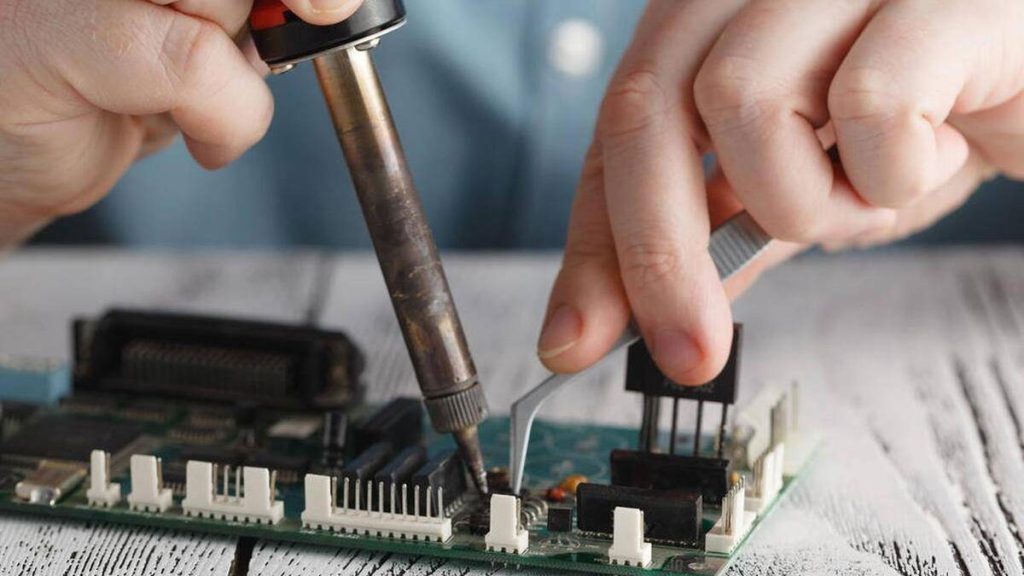
The following are some possible reasons why tin does not adhere to nickel-gold-plated boards:
2.1 Pre-treatment of PCBs Before Electroplating
- Issues with Acidic Degreasing: When temperatures are low, some PCBs may have residual solder mask or may not be cleaned thoroughly. Manufacturers can adjust the concentration or temperature of the degreaser to ensure effective degreasing. In addition, attention should be paid to the etching depth and the uniformity of the board’s surface color.
2.2 Issues with Nickel Plating on PCBs
- Issues with Nickel Tank Contamination: If the nickel plating tank is severely contaminated with oil or metal particles, it is recommended to use low-current electrolysis or carbon-core filtration. You should also check for abnormal pH levels; if any issues are found, you can adjust the pH using dilute sulfuric acid or nickel carbonate. Furthermore, ensure that the nickel plating thickness is sufficient and that porosity is not excessive. This can be achieved by checking the nickel plating current density, using a current clamp to verify that the current at the conductive rod matches the current displayed on the meter, and observing the thickness of the nickel layer and the condition of the surface between layers. The concentration of additives in the nickel plating bath must also be appropriate; concentrations that are too low or too high may cause problems. Furthermore, the nickel chloride content affects the weldability of the nickel layer and must be adjusted to the optimal level.
2.3 Fake Gold Plating
- Excessive washing time or oxidation and passivation: If the gold layer is rinsed for too long or undergoes oxidation, it may result in a false gold plating. This can be resolved by more strictly controlling the rinsing time; typically, hot purified water is used for rinsing.
2.4 Defects in PCB Post-Processing
- Failure to dry clothes promptly after washing: PCB boards should be dried promptly after washing and placed in a well-ventilated area. It is best not to store them in the electroplating shop to prevent moisture from affecting the boards.
2.5 Chemical Treatment and Water Quality Requirements
- Water Quality Requirements: High water quality standards should be maintained for all chemical processing and cleaning water. Extra caution should be exercised when using municipal water, tap water, recycled water, or well or lake water, as these sources may contain high levels of hardness or other organic compounds. To ensure quality, it is best to adhere to high water quality standards.
3. Solutions for Issues with Solder Adhesion on Nickel-Gold-Plated Boards
Solutions to the problem of nickel-gold-plated boards failing to accept solder typically involve adjusting the plating process, including maintenance of the nickel tank, control of rinse times, chemical treatment, and ensuring water quality requirements are met. If problems arise, each step should be carefully inspected, and necessary adjustments made.
4. Frequently Asked Questions (FAQ)
Q1: Is it a common problem when nickel-gold-plated boards don't accept solder?
A1: Yes, the failure of nickel-gold-plated boards to accept solder is a common issue in PCB manufacturing, but it can usually be resolved through proper adjustments and maintenance.
Q2: What problems might arise if a nickel-gold-plated board does not accept solder?
A2: Failure to apply solder to nickel-gold-plated boards may cause soldering issues and reduce the quality and reliability of electronic products.
Q3: Are there any other factors that could prevent tin from adhering to nickel-gold-plated boards?
A3: Yes, water quality, nickel tank maintenance, metal contamination, and chemical treatment could all be the root causes of the problem.
Electroplating nickel-gold is a critical process in PCB manufacturing, but it requires careful management and maintenance. If a PCB with a nickel-gold plating fails to accept solder, manufacturers should carefully inspect factors such as pretreatment, nickel tank maintenance, rinsing time, and chemical treatment. Through appropriate adjustments, the quality and reliability of nickel-gold-plated boards can be ensured.
If you need more information about PCB manufacturing and nickel-gold plating, please feel free to contact us. Jingpeng Electronics will provide you with professional advice and assistance.
