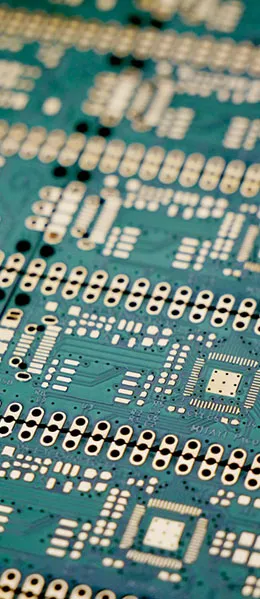
Before you begin customizing your PCB, there are several key points you need to understand to ensure that your PCB design specifications are correct and that your PCB supplier can provide reliable quality assurance. These factors will directly impact the final performance and quality of your system.
In the following section, we’ll cover five key points you need to know about custom PCBs before placing an order.

1. Design Specifications
During the PCB manufacturing process, it is crucial to ensure that the PCB design complies with the correct specifications.
These specifications typically include spacing requirements, copper foil thickness, the size of electronic components, the number of layers in a PCB, and via wall spacing, among others.
It is very important to ensure that your PCB design complies with specifications, as this ensures that your PCB will function properly and remain stable over the long term.
2. Testing
Testing is one of the most critical steps in the PCB manufacturing process. During testing, PCB suppliers perform electrical testing, network testing, and correctness testing on the PCBs.
These tests help detect defects in PCBs early on, such as voids, short circuits, or other potential issues. This helps ensure that the PCBs function properly during use, thereby improving system reliability.
3. Quality Assurance
Quality assurance is one of the key factors you should pay close attention to when selecting a PCB supplier. When choosing a supplier, consider their quality assurance standards, manufacturing processes, and factory production capacity.
The supplier's quality assurance should also include rectifying any PCB defects upon discovery and assuming liability for losses resulting from PCB failures.
Choosing a supplier with a reliable quality assurance system is key to ensuring PCB quality.
4. Selecting the Right Supplier
Finding the right PCB supplier is crucial. You should look for suppliers who can provide high-quality PCBs based on your engineering specifications and quantity requirements.
Pay close attention to suppliers’ qualifications, project experience, and production capacity, and ensure they have sufficient production capacity to meet your project needs.
5. Production Cycle
Finally, you’ll also need to consider the production lead time. Before selecting a PCB supplier, make sure their production lead time meets your needs and that they can deliver according to your schedule.
Whether you're planning for long-term production or short-term, rapid production, you'll need to develop a detailed plan and select a PCB supplier that can meet your time requirements.
Before choosing a custom PCB, it is essential to understand various factors, such as specifications, testing methods, supplier selection, and production lead times.
You should select a supplier based on your engineering needs to ensure you receive PCBs with the highest performance, best quality, and best value for money.
If you have any further questions about PCBs, please feel free to ask, and we’ll provide you with detailed answers and guidance.
Frequently Asked Questions
1. Why does PCB design need to comply with specifications?
PCB designs must comply with specifications, as these specifications ensure the quality and performance of the PCB. If a design does not comply with the specifications, the PCB may not function properly or may be prone to failure.
2. What is PCB quality assurance?
PCB quality assurance refers to a series of measures through which suppliers commit to ensuring quality during the PCB manufacturing process. This includes guarantees related to inspection, testing, repair, and compensation.
3. How do you choose the right PCB supplier?
When selecting a PCB supplier, you should consider factors such as the supplier’s qualifications, experience, production capacity, and customer service. The supplier’s reputation is also an important consideration.
4. What is the purpose of PCB testing?
PCB testing helps identify potential PCB defects and ensures that PCBs function properly and meet expected performance levels.
5. How does the production cycle affect PCB procurement?
The production cycle affects PCB lead times. Choosing a production cycle that meets your time requirements is critical to the progress of your project.