

In the PCB manufacturing process, panelization is a critical step that directly impacts production efficiency and material utilization. Different panelization methods can optimize PCB layout to a certain extent and improve material efficiency, thereby achieving better production results. Today, we will take an in-depth look at the specific types of PCB panelization methods currently in use and their characteristics.
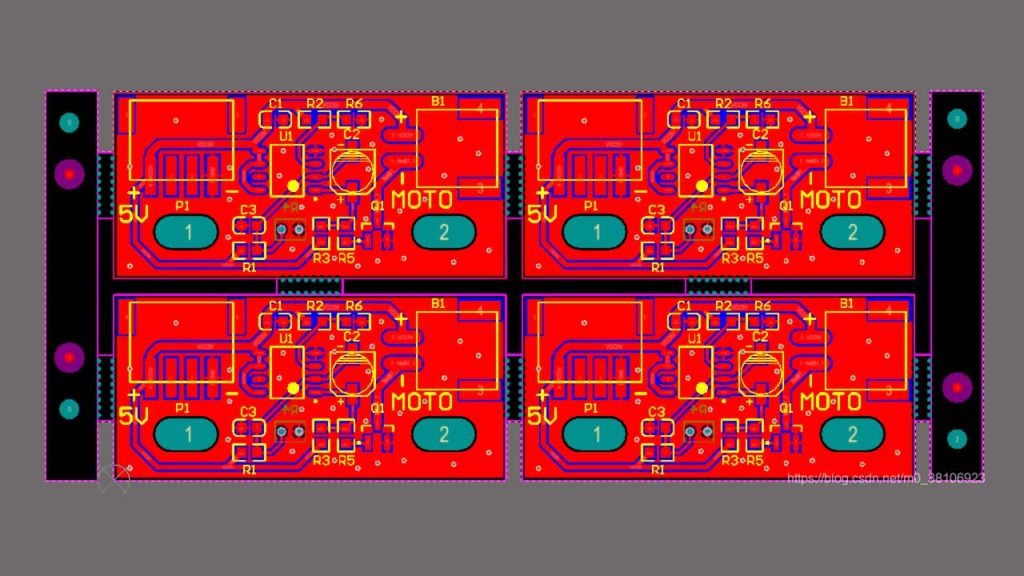
Gapless Imposition
No-spacing panelization is a panelization method characterized by the elimination of spacing between small PCB units. With this method, there is no spacing between the small PCB units within the panel, which may cause the PCB’s outline to exceed the expected dimensions. Therefore, gapless panelization is suitable for PCB designs with less stringent outline requirements; however, in cases where outline requirements are strict, it is recommended to avoid this panelization method whenever possible.
U-shaped imposition
Loop-based panelization is a method designed to maximize the utilization of each panel and minimize waste from gaps. In this approach, engineering staff arrange small PCB units according to specific rules to minimize blank areas and effectively improve material utilization. This method helps reduce resource waste and improve production efficiency to a certain extent.
Reverse Imposition
Reverse nesting is a nesting method that combines loop nesting with a specific reverse orientation. In this method, the outlines of small PCB units form an “L-shape” or “T-shape” that interlock in a reverse orientation. This approach makes better use of the template space, resulting in a more compact layout between PCBs and further improving utilization.
Program Imposition
Programmed panelization is a method that uses pre-programmed macros to arrange PCB layouts. In this approach, engineers write macros in advance to import the maximum outer dimensions of small PCB units, and then complete the panelization process by clicking the panelization command. The advantage of this method is that it reduces errors caused by human factors and improves panelization efficiency. At the same time, using the PCB’s border lines as the outer dimensions helps ensure greater accuracy in the panelization process.
Mixed Imposition
Hybrid panelization is a method that optimally combines the panelization techniques described above. In this approach, engineers select different panelization methods based on actual conditions to leverage the advantages of each, thereby improving panel utilization and single-board utilization. By flexibly combining panelization methods, PCB layouts can be further optimized to achieve better production results.
How to Choose a PCB Panelization Method
For different PCB manufacturers and production requirements, selecting the appropriate panelization method is crucial. For small-batch, high-variety production, automated panelization is a viable option, as it offers short setup times and a low error rate. In high-volume production, however, factors such as material utilization and production equipment bottlenecks must be considered, which may require the adoption of other, more suitable panelization methods.
In the PCB manufacturing process, panelization is a critical aspect that requires careful consideration and resolution. Different panelization methods offer distinct advantages and are suitable for different scenarios; engineers must select the appropriate method based on actual requirements to ensure the production of high-quality PCBs.
Frequently Asked Questions
Q1: What is gapless imposition?
No-spacing panelization is a method of panelization that eliminates spacing between small PCB units; it is suitable for applications where shape requirements are not strict.
Q2: What is the purpose of a U-shaped imposition?
U-shaped imposition is designed to maximize the utilization of each sheet, minimize waste from blank spaces, and optimize material efficiency.
Q3: What are some common scenarios involving inverted nesting?
Common scenarios for interlocking layouts include “L-shaped” and “T-shaped” small-unit PCBs interlocking with one another.
Q4: What are the advantages of computer-aided imposition?
Programmed panelization reduces human error and improves panelization efficiency, and is suitable for printed circuit boards of various shapes.
Q5: What is the purpose of mixed imposition?
Mixed imposition optimizes layouts and improves plate and sheet utilization by combining different imposition methods.
